

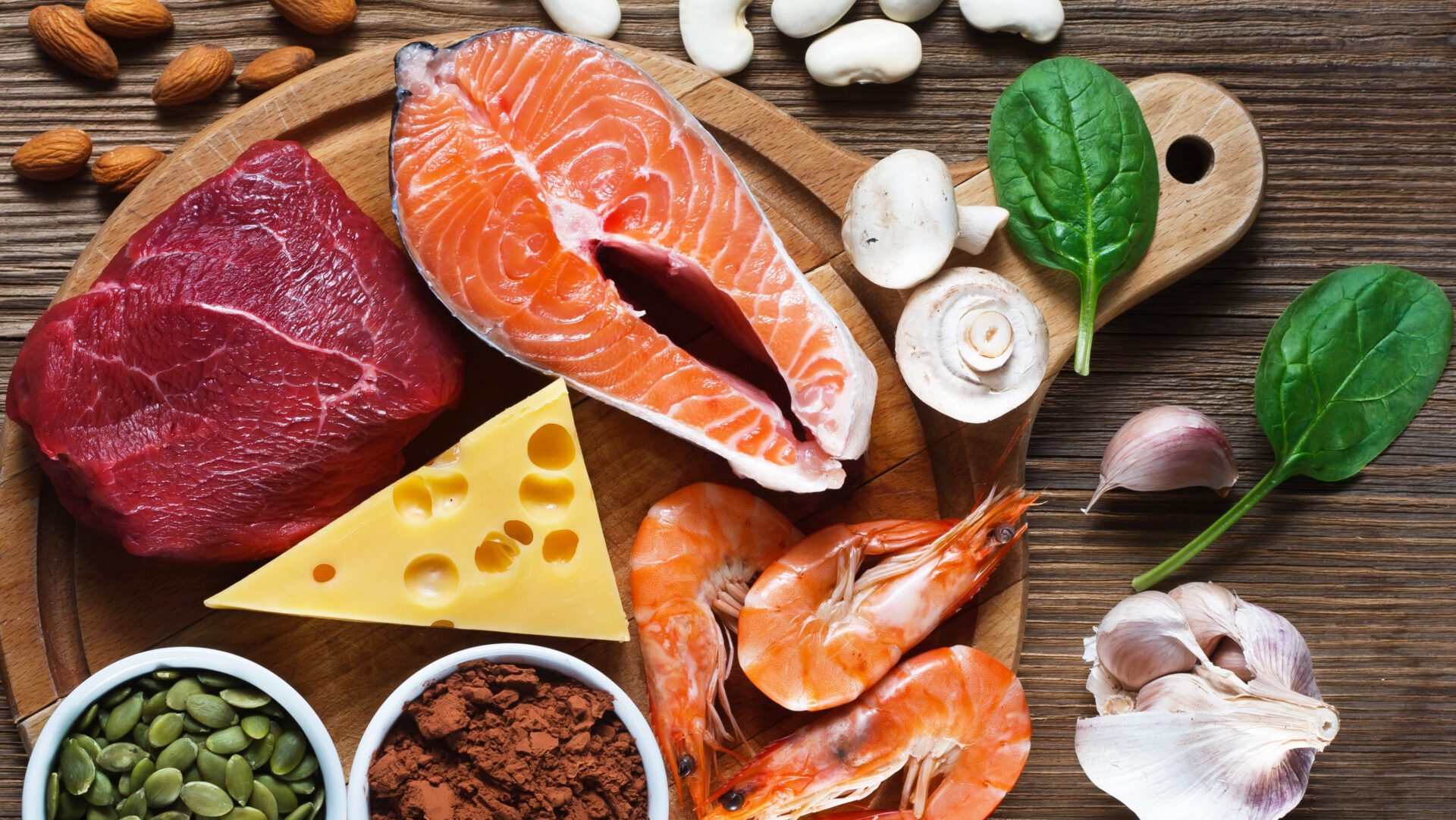
Zinc is an essential nutrient found in many foods of plant and animal origin. Zinc plays a key role in immune function, but also in cell growth and skin health. It can protect you from inflammation, acne or other diseases. Which foods should I eat to ensure my body has enough zinc?
The body does not make it
Unfortunately, the human body cannot make zinc on its own. It is therefore imperative that we obtain it through diet or supplements. This is really important as this nutrient is essential for a number of necessary processes in the body. It is important for DNA synthesis, wound healing, growth and development or for gene expression.
Zinc deficiency
Failing to supply your body with enough zinc could lead to stunted growth or impotence. With zinc deficiency, your hair may fall out, your appetite may deteriorate or you may develop eye or skin lesions. Of course, lowered immunity is also at play. So think about the fact that foods rich in zinc should be part of your diet every day. The recommended daily dose of zinc is 11 milligrams.
Zinc deficiency is a global nutritional problem. Children and women who live in places where the diet is grain-based and monotonous suffer from it. Unfortunately, this can have really unpleasant health consequences. It is a good idea to fortify basic foods with zinc. It can improve serum zinc levels in populations. However, it must be the only micronutrient added. If more are added, it has no effect on serum zinc levels.
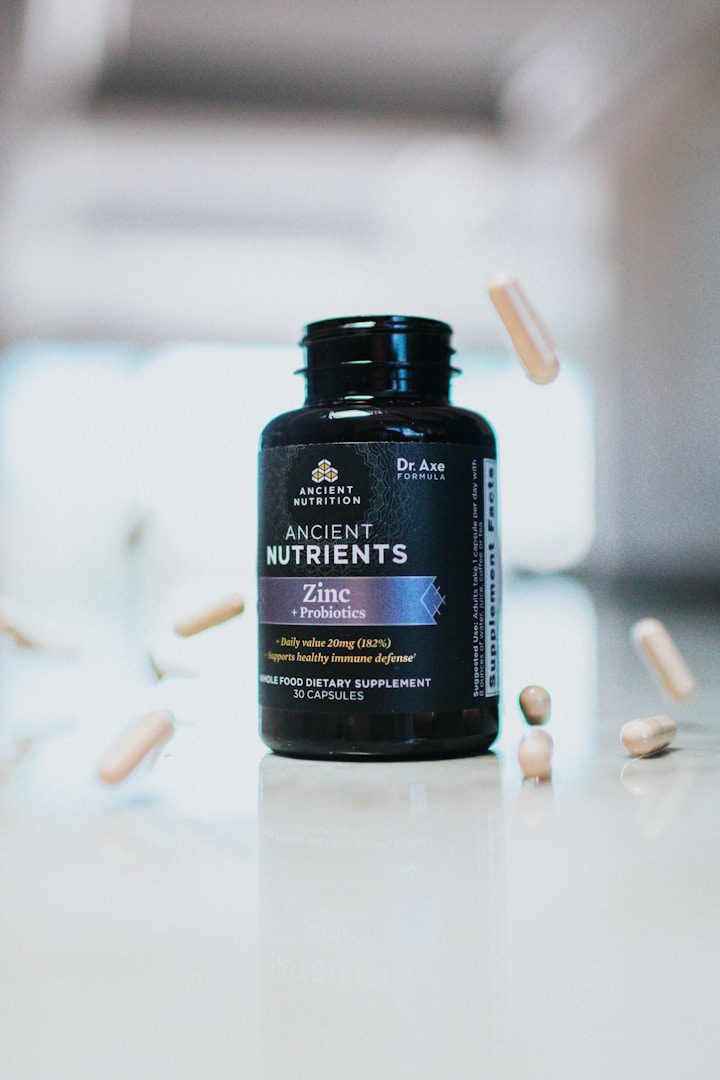 ━━
( Source: Nathan Dumlao / Unsplash+ )
Fruits with a large content
Fruits with high zinc content include avocados, blackberries, pomegranates, raspberries, guavas, melons, apricots, peaches, kiwis and blueberries. These fruits should provide 2-12% of the daily value per cup. Avocados contain the most zinc.
Foods rich in zinc
Many animal and plant foods are naturally rich in zinc. In particular, shellfish such as oysters, mussels, lobsters and clams are among the foods with the highest zinc content. Beef, pork or lamb also have high levels of zinc. However, turkey or chicken also contain zinc.
Do you love fish? They also contain zinc. Salmon or halibut, for example, are good choices. And sardines also contain zinc. If you don’t like meat or fish, then you can get zinc from legumes. Chickpeas, lentils and also black beans are rich in zinc. It is also advisable to consume nuts and seeds. Especially pumpkin seeds and cashews.
Dairy products such as milk, cheese and yoghurt are also rich in zinc. Eggs, whole-grain cereals such as oats, quinoa and brown rice and some vegetables such as peas, asparagus, kale and beetroot leaves also contain zinc. Mushrooms also contain zinc.
Zinc absorption
It should be remembered that zinc contained in plant sources such as legumes and whole grain cereals is absorbed less efficiently due to other plant compounds that inhibit absorption. So if you don’t eat meat, watch your zinc intake even more, or use supplements as well.


 Šárka Cvrkalová




 O. Müller

 A. Urban