

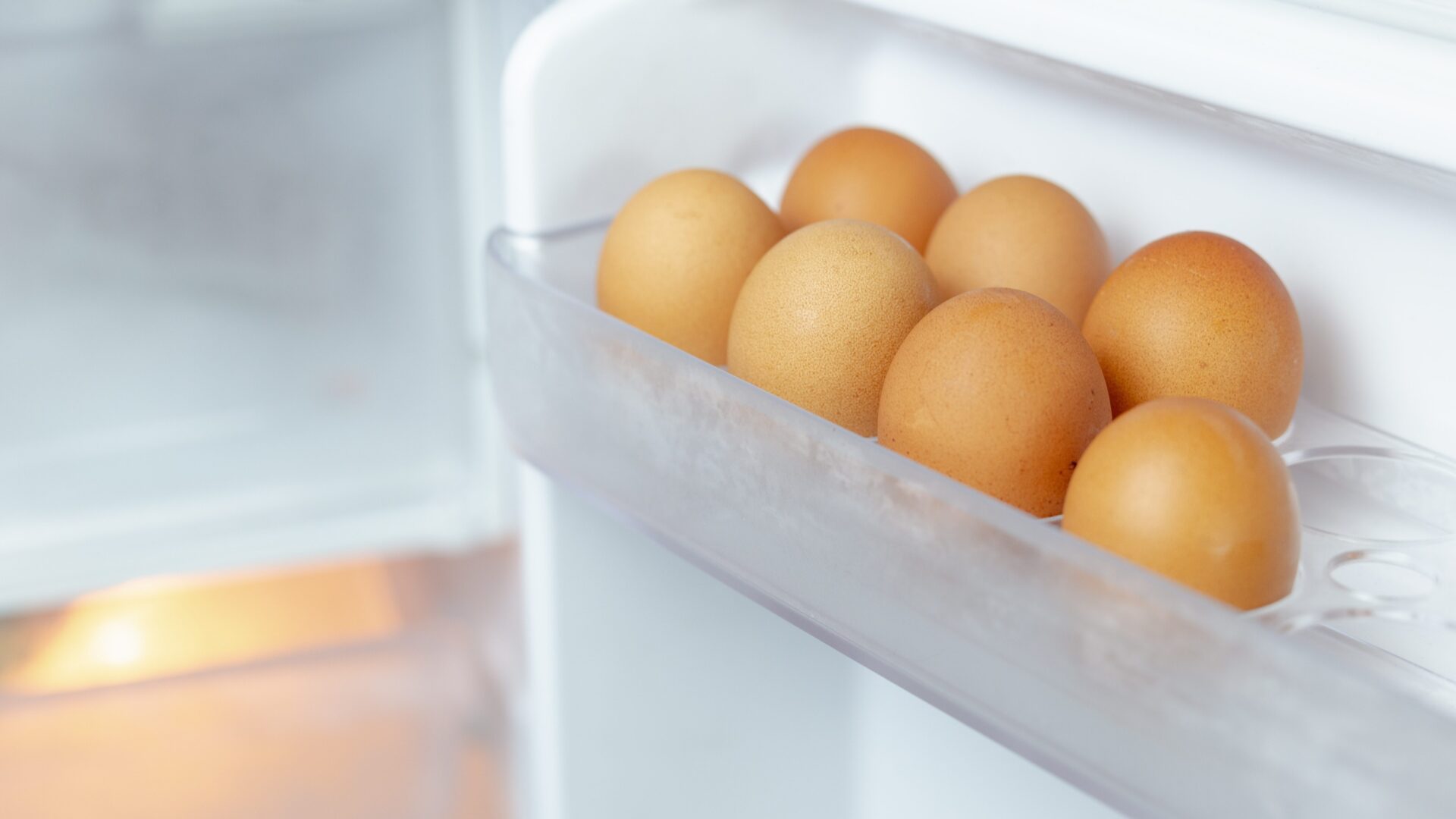
If you open the fridge, some foods probably have a place in it that they never change. Eggs, for example, are usually stuck in the doorway. Is that how you do it? Then you’re making a big mistake that’s causing this ingredient to spoil faster. But don’t worry, you’re not alone. Many people store their eggs in the door of the fridge, but this is wrong. Why do we stick to this habit? And where should eggs really be stored?
I remember when I moved into a new apartment, my parents and I bought a refrigerator and got a free plastic egg rack to go with it. It was placed in the door of the appliance and my grandmother immediately took the opportunity to say to me, “See? And then that eggs don’t belong in the fridge door!” I didn’t want to argue with her. She and Grandpa are simply taught that way and they won’t change. But I store my eggs differently because I know it will extend their life.
Eggs don’t belong in the door!
The refrigerator door is the hottest place in the entire appliance. In addition, the food that is placed there has to overcome constant, fairly large temperature fluctuations. Eggs are very sensitive to these changes. They increase the risk of condensation on the shell and make it easier for bacteria to get inside.
“Opening and closing the door creates big fluctuations. In addition, they also have many places where heat can penetrate through the cracks inside,” warns food scientist Bryan Quoc Le. Ideally, he says, eggs should be stored in their original packaging inside the fridge, ideally at a temperature of about 4-5°C. The carton protects the eggs from absorbing odours from other foods, as well as from slight temperature fluctuations that can occur in the back of the fridge.
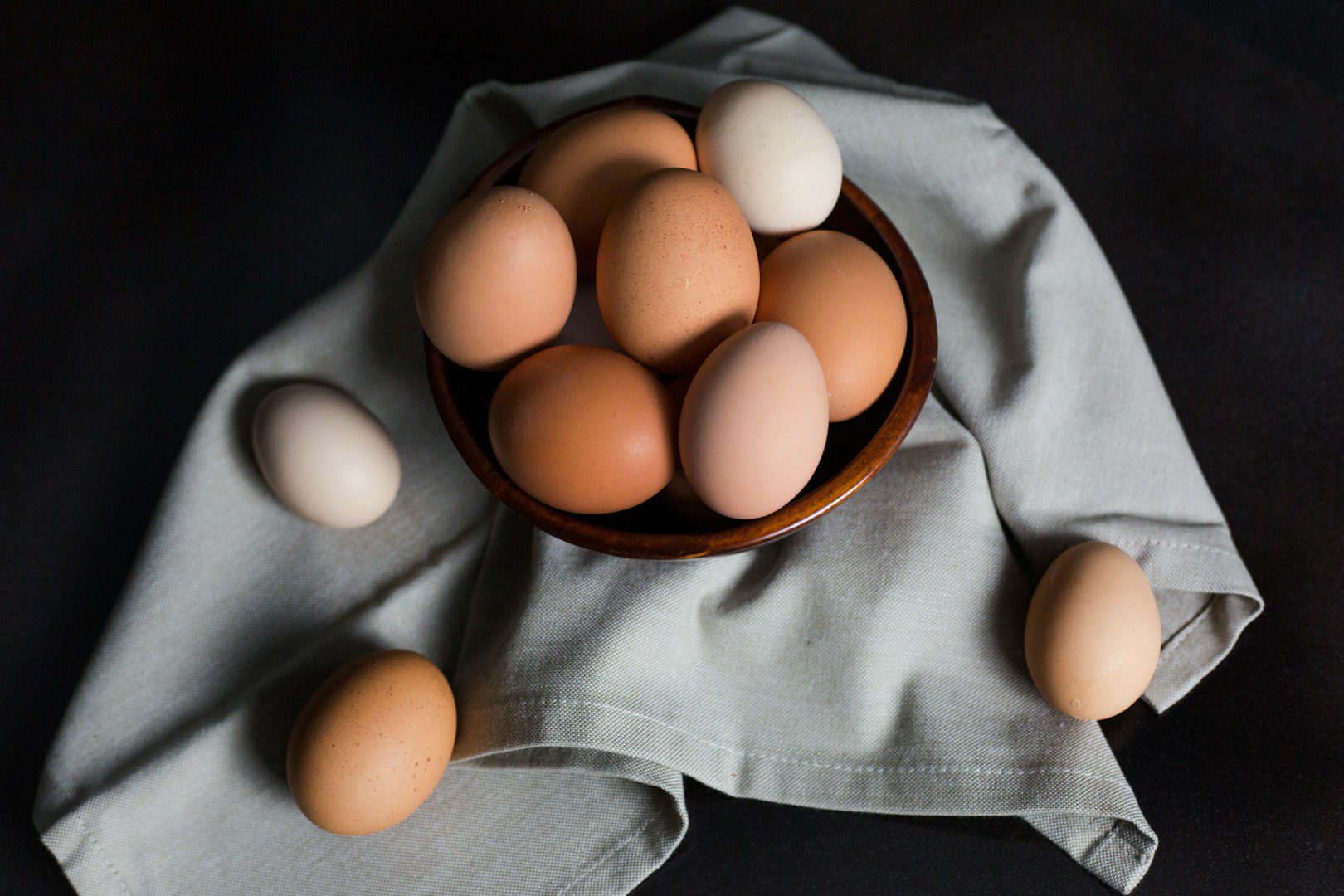 ━━ Poorly stored eggs spoil more quickly. This ingredient doesn't belong in the fridge door, but few people realise it.
( Source: Katherine Chase / Unsplash+ )
Why do we store eggs in the doorway?
One reason is exactly what was suggested in the introduction. Refrigerator manufacturers like to put plastic egg racks in the refrigerator door. People then say, “Oh, I guess that’s practical.” But it’s not. I’ve tried to explain this to my grandparents many times, but they’ve never had eggs go bad, so why should they change anything? In my opinion, they don’t spoil mainly because they have fresh eggs at home and they also use them up quickly.
But if one buys eggs from the store, it is definitely important to think that their shelf life is not like that and they can easily go bad if you don’t store them properly. In earlier times, eggs were not refrigerated at all, or simply stored wherever there was room. However, it is important to remember that back then it was an ingredient that was processed almost immediately. Today, a plate of six eggs can often last some people for a month. Yes, I’m talking about myself. Fortunately, I know how to store food so I don’t have to worry about it spoiling.



 L. Novak



 O. Müller

 A. Urban