

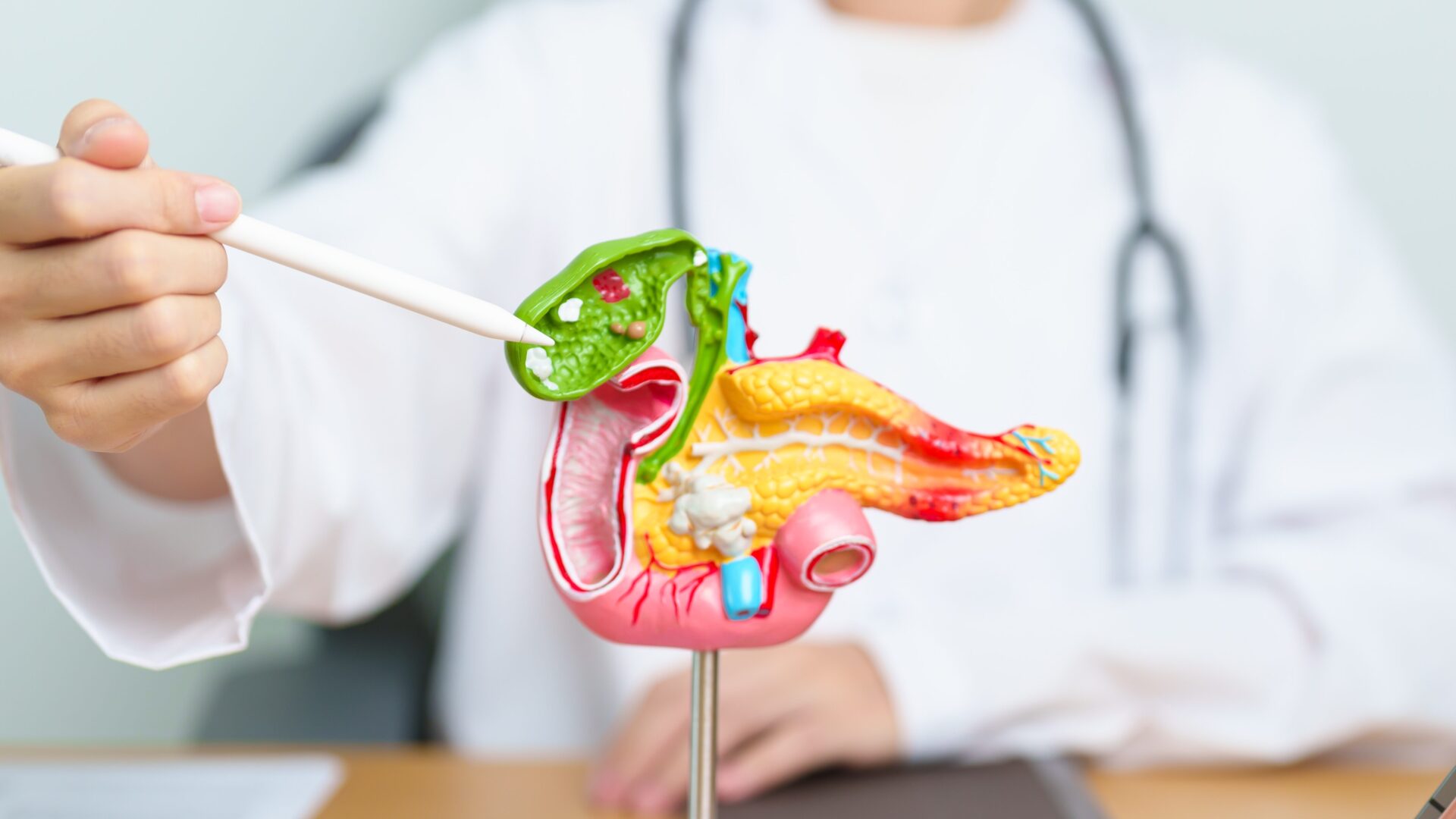
The liver and gallbladder are both key parts of the digestive system. They work closely together: while the liver makes bile, the gallbladder stores it and releases it when fats are digested. When the function of one of the organs is impaired, the other one suffers. The warning signs that something is wrong are quite noticeable. If you take the right steps in time, you can prevent more serious diseases such as fatty liver disease, gallbladder inflammation or gallstone formation.
Liver and gallbladder problems sometimes occur because of genetics, but often also because of a poor lifestyle that puts a strain on the organs. Statistics show that the problem is far from unique. For example, according to a systematic review in 2024, gallstones occur in approximately 6% of the population. The risk of complications increases with age, obesity and improper diet.
Warning signs
If the liver or gallbladder becomes congested, you will usually start to experience pain in the upper right abdomen. After a fatty meal, with bloating or flatulence, the pain may get worse. In addition, if you often feel nauseous, burp excessively and feel heavy, you should see a doctor. Symptoms are often transient and people ignore them, only to end up with worse problems.
Other warning signs can include yellow skin or eyes, dark urine, light stools, itchy skin, fatigue and lack of appetite. The problem with liver disease is that many people have no symptoms until the damage is significant. According to Verywell Health, approximately 38% of adults worldwide suffer from these complications.
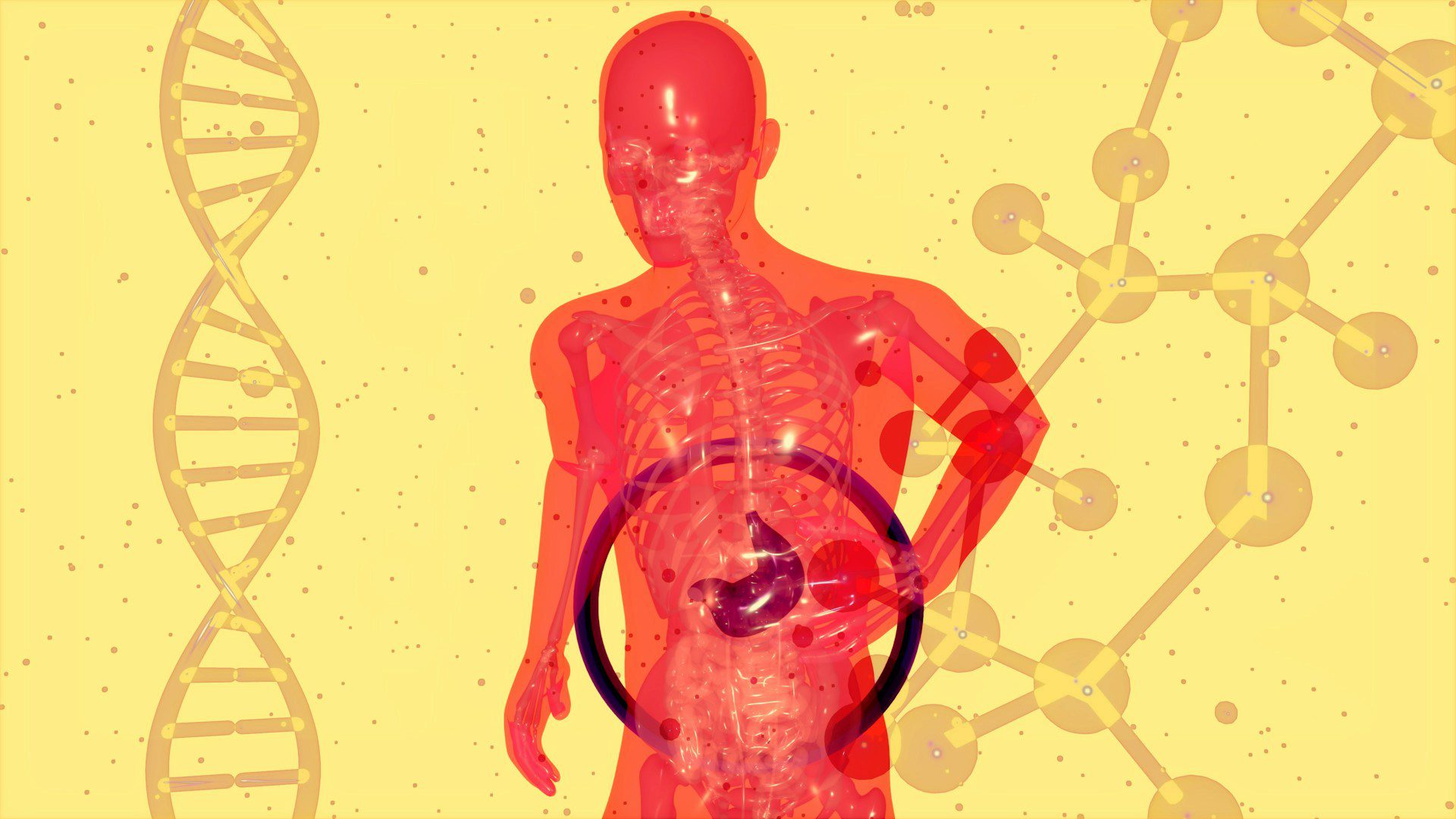 ━━ Diseases of the liver and gallbladder are related, the organs work interdependently.
( Source: Julien Tromeur / Unsplash+ )
Risks and statistics that will make you act
The statistics regarding gallbladder and liver problems are quite alarming. People who do not watch their health may consider a lifestyle change after reading the following lines. Gallstones occur in approximately 6% of the population worldwide, with women being more likely to develop them. A study has shown that there is an increased chance of non-alcoholic fatty liver disease after gallbladder removal, by about 54% compared to people who have a gallbladder.
If a person ignores the warning signs, does not follow a healthy lifestyle, eats fatty and greasy foods and exercises only minimally, gallbladder complications will indeed occur sooner or later. Its removal is not a procedure that is somehow exceptional nowadays. However, life without it is complicated.
How to protect your health?
Prevention is important. Limit your intake of saturated fats, refined sugars and excess cholesterol. Include more fibre, fruit, vegetables and whole grains, fish and light meat in your diet. Eat regularly and get plenty of exercise. It doesn’t have to be a complicated gym workout, just walking, swimming, cycling.
Don’t underestimate regular health check-ups. Especially if you have any problems, but even without them, it’s important to have a check-up once in a while to be sure you’re okay. If any complications are found in time, the problem can be fought. But if you underestimate the problems, the problems can get really serious.



 L. Novak



 O. Müller

 A. Urban