

In recent years, protein diets have become quite popular. These are special diet programs that are based on high protein intake. But have you ever thought about whether it is really advisable to give your body so much protein? How much protein does the human body actually need? And what causes protein deficiency?
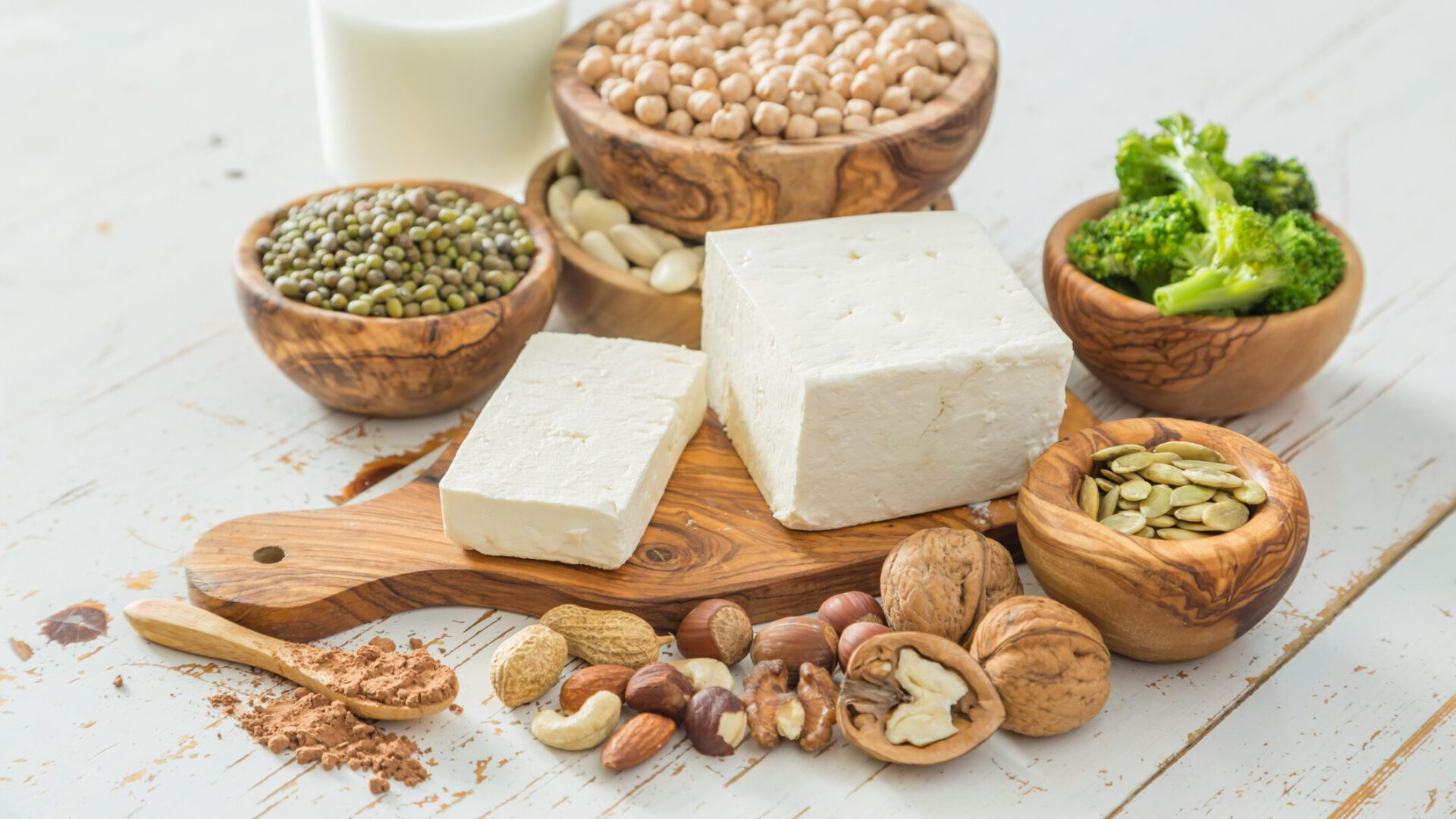
Protein is an essential macronutrient that the human body needs. Foods rich in animal protein include meat, fish, eggs, poultry or dairy products. Foods high in protein can also be found among plant foods. These are mainly legumes, nuts and cereals.
How much protein does the body need
Proteins are the basic building blocks of cells and are involved in important biochemical functions of the human body. They are important for growth, development and also for tissue repair. Together with carbohydrates and fats, they are among the main macronutrients. The body therefore needs sufficient amounts of protein. This is in order to ward off malnutrition, but also to maintain body mass and strength. The ideal amount is uncertain.
The stated amount is 56 grams of protein for men and 46 grams of protein for women. This is roughly the amount you get from one Greek yogurt or a serving of chicken breast. If we talk about the recommended daily allowance per kilogram of body weight, then 0.8 grams is given. However, some experts disagree with these figures and think that twice the amount of protein would be correct.
 ━━
( Source: Shayda Torabi / Unsplash+ )
Is a lot of protein bad for you?
Yes. Too much of anything is bad for you. And that goes for protein too. People who eat a high-protein diet have a higher risk of kidney stones. Also, a high-protein diet containing a lot of red meat can lead to a higher risk of heart disease and colon cancer. However, if you consume plant-based protein, these risks are eliminated.
Of course, it’s hard to say in general terms how much protein is too much anymore. If only because experts can’t agree on how much is actually appropriate to consume. Another thing is that each of us needs a different amount. And it’s not just about whether we’re male or female. It doesn’t even depend on body weight. Athletes definitely need more protein, especially bodybuilders.
What causes protein deficiency
Just as an excess of protein is risky, a lack of protein is of course also harmful to the body. It can lead to fatigue, but also to weakened muscles and bones. Low levels of protein in the body can impair immunity and slow wound healing. Lack of protein can cause nails and hair to break or make you prone to infections. And how do you know if your body is low in protein? Aside from feeling the aforementioned fatigue, you’re likely to be hungry often and may have cravings for sweets. You may also notice frequent mood swings.
Is a high-protein diet suitable?
If you want to follow such a diet, there are a few things to consider first. First, check with your doctor to see if you have any health problems such as kidney disease. For example, kidney disease could be a risk factor. It is then important to get your protein from healthy sources. That is, from nuts, legumes, chicken or dairy products. Protein intake should be spread across all meals and the diet should be really balanced. It should contain plenty of fruit, vegetables and fibre.


 Šárka Cvrkalová




 O. Müller

 A. Urban