

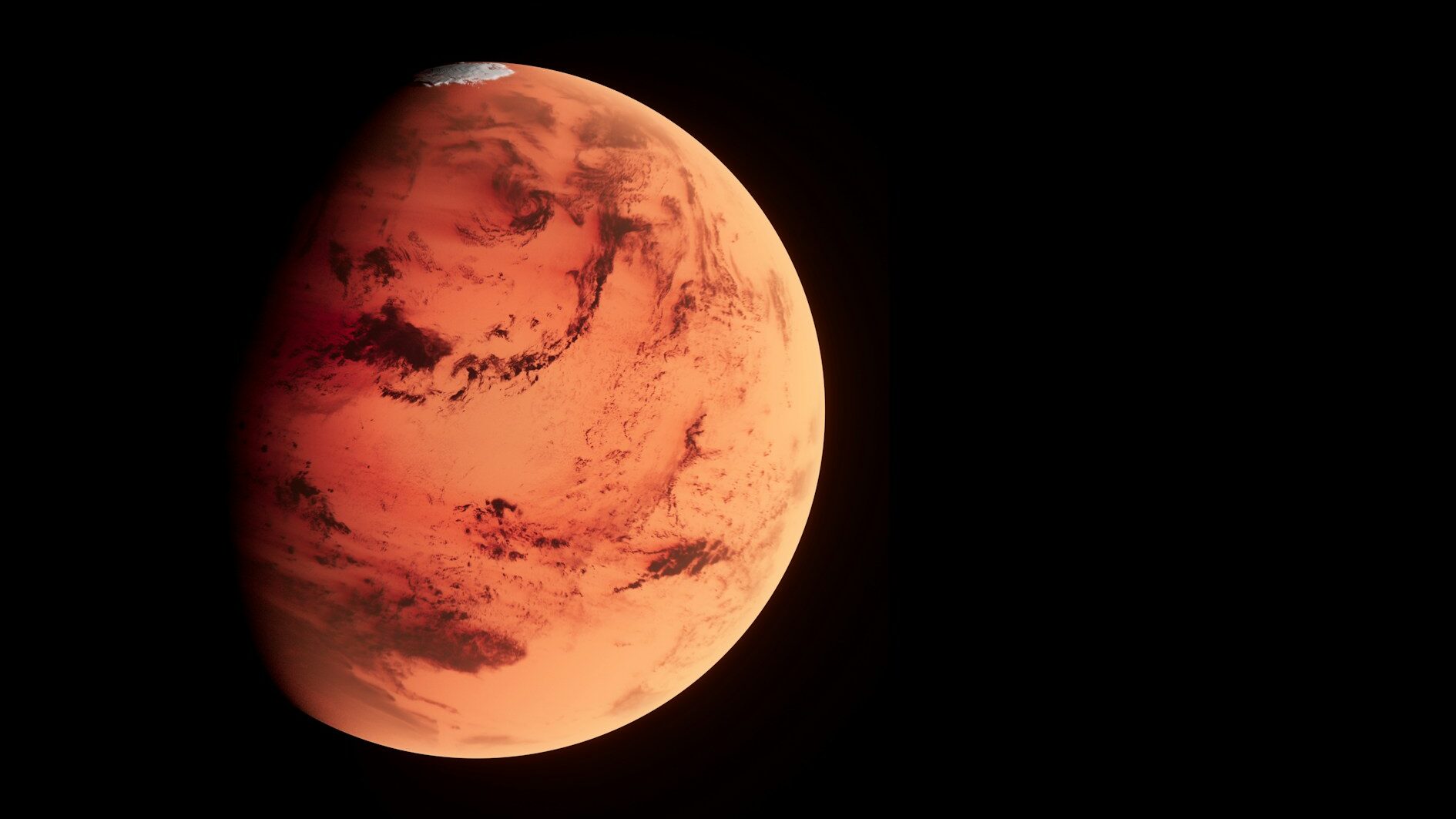
On Earth, a day has 24 hours. And sometimes I think that’s not enough time to get everything done. If there are any Martians living on Mars, we might be a little envious. The day is a little longer on this planet. Even though time passes almost identically to ours. How is that possible? How much longer is the day there than ours? And what does that mean for us and for space exploration in general?
What exactly would you do with time if you suddenly had 39 minutes and 35 seconds more of it per day? It seems like a short amount of time, but when you add it up, it adds up to about 20 hours in a month. I’d maybe spend the time on space science. Well, I’m not going to lie to you, I’d actually rather spend more time playing video games, on the other hand, learning about other planets and the world beyond our Earth doesn’t sound like a bad idea either. It’s definitely a fascinating topic.
Where did the difference come from anyway?
Time passes similarly on Earth and Mars. Just like here, a minute is 60 seconds. But there are subtle differences that, while minimal, cumulatively extend the one on Mars (known as Sol) by just under 40 minutes. On Earth , a day lasts 24 hours. In the case of Mars, it is 24 hours, 39 minutes and 35 seconds. If the planet were so populated, what time system would it have? How would the concept of a week and a month work there? These are all interesting questions, but are they important when no civilization has yet been proven to live on Mars?
Day length on all planets is determined by many key factors. The most important is angular momentum: this is the reserve of motion that a planet has acquired during its formation. This momentum has determined from the beginning how fast bodies will rotate.
Then collisions with asteroids came into play, speeding up and slowing down the rotation, sometimes even changing the direction of rotation. In addition, the moon’s influence on our planet is also at work. Mars’ rotation has barely changed since its formation. But the Earth’s is different. There have been many shifts and more to come, NASA explains.
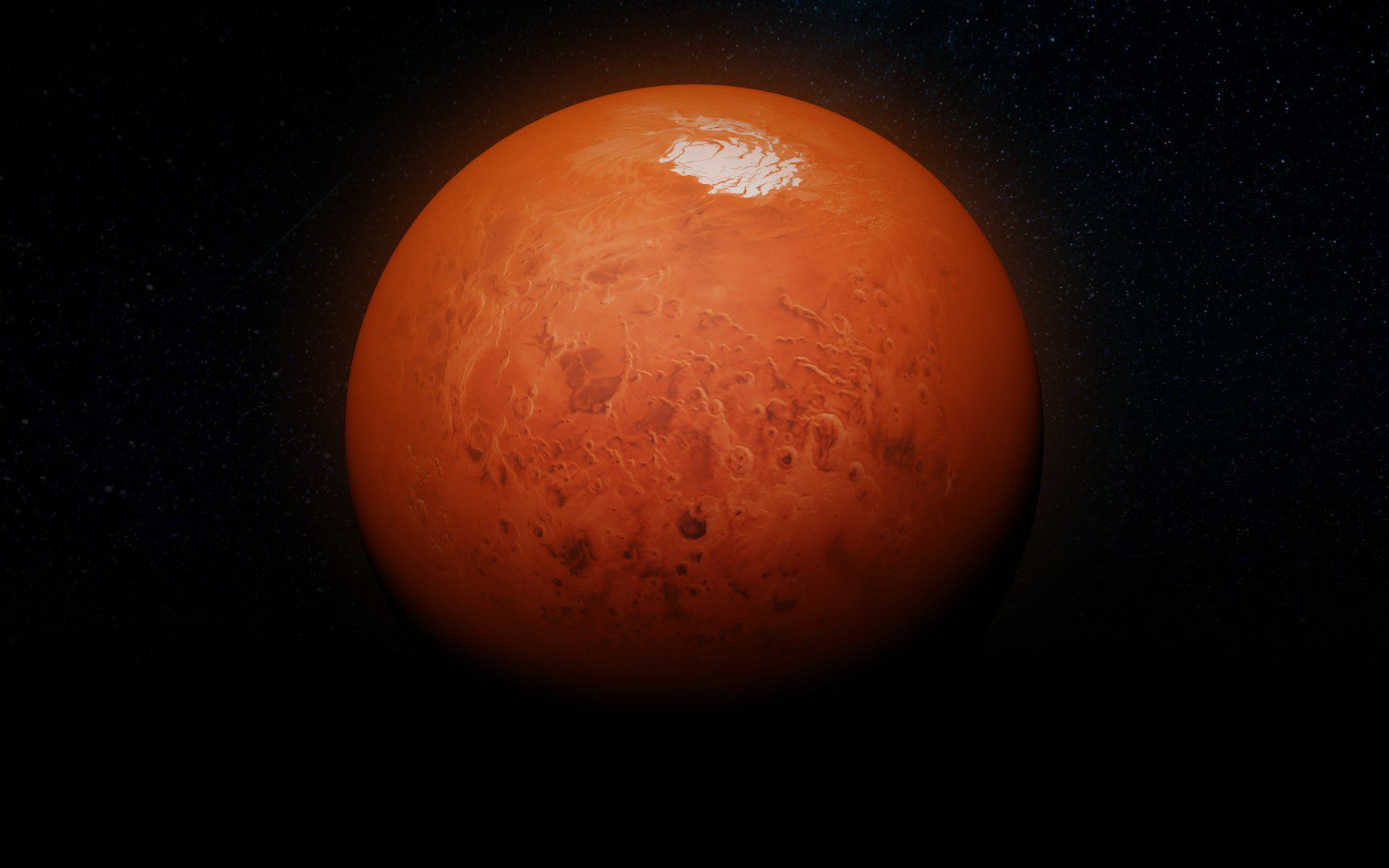 ━━ 24 hours, 39 minutes and 35 seconds. That's how long you spend on Mars in a single day.
( Source: BoliviaInteligente / Unsplash+ )
Can there be a civilization on Mars?
Scientists agree that if life ever existed on Mars, it would be more likely to be microbial forms, certainly not an advanced civilisation. At present, there is no evidence of technologically advanced creatures or civilization. However, it has been confirmed in the past that the planet may have been habitable.
“Mars had evidence of flowing water in the past and may have been habitable at that time. But there is no confirmation yet that life existed there,” NASA says. Most expert assessments state that the current surface of Mars is extremely inhospitable to life. “The Martian surface is now lethal even to vegetative cells, rendering much of the surface and areas near the surface uninhabitable,” Wadsworth & Cockell scientists write verbatim in the scientific study.
So questions about how civilization would use the extra 20 hours a month are not entirely out of place at the moment. However, the surface of the planets is changing and it is possible that in many years things will be different. This just makes the subject of space even more fascinating to me than it already was.



 L. Novak



 O. Müller

 A. Urban