

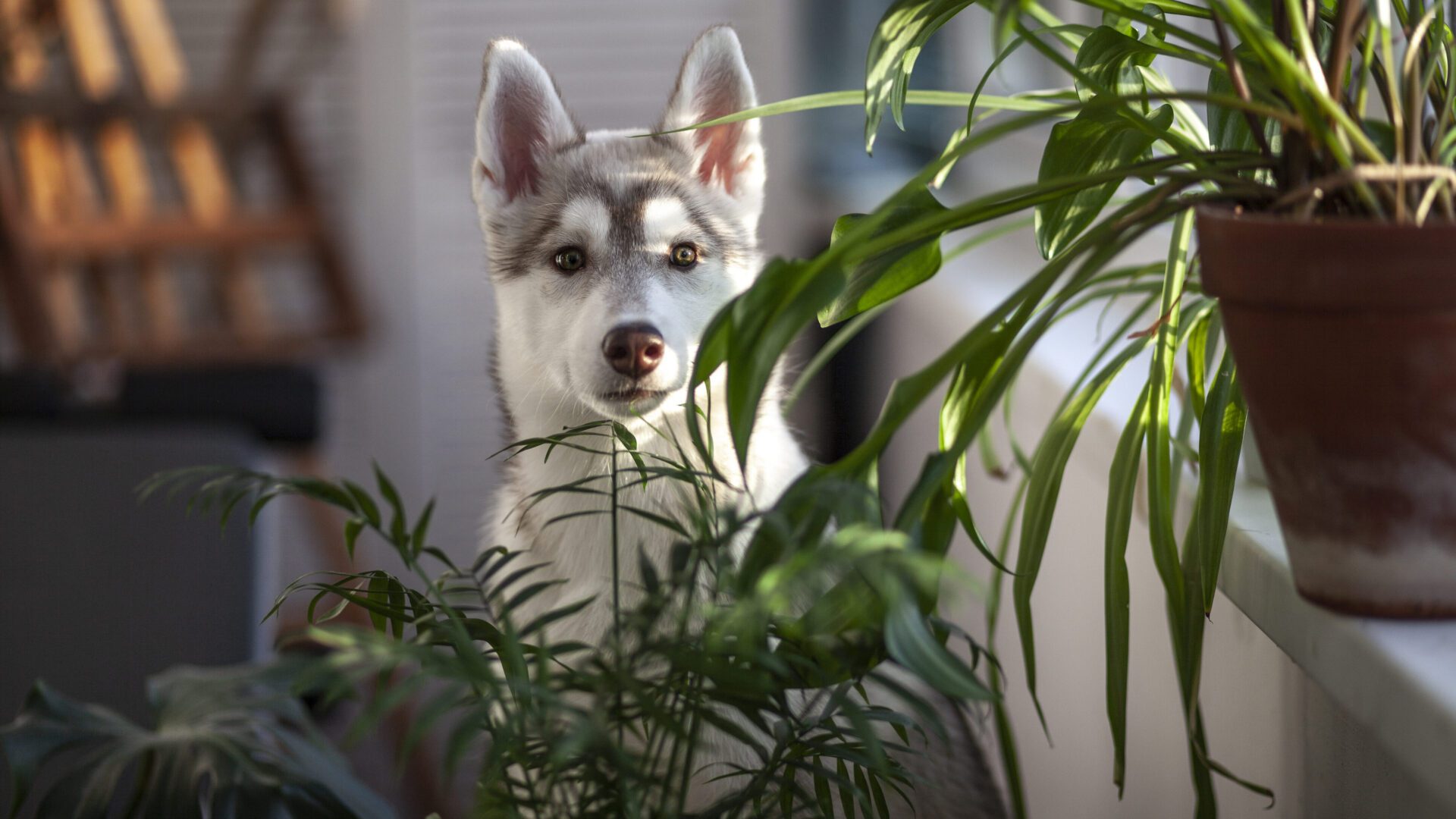
Plants beautify your home and create a cosy atmosphere. Although they are captivating in their beauty, they are actually a deception. In fact, many plants are poisonous to your pets, causing them serious health complications. So which ones should you avoid so you don’t put your dog or cat’s health at risk?
If you own a pet, their health and well-being is important to you. But often you don’t realise that you are putting it at risk yourself. Some of the plants you buy in good faith are considered dangerous by experts. They commonly cause vomiting, stomach irritation, kidney damage and, in worse cases, death. Let’s find out which plants you shouldn’t have in your home.
Wanderlust
This seemingly innocent and elegant plant is a particular threat to dogs. A small piece of leaf is enough to cause major health problems. Symptoms include vomiting, trouble swallowing, drooling and burning in the mouth.
Dieffenbachia
This common houseplant tends to be a popular choice for brightening up offices. However, it is one of the most dangerous plants for pets. When ingested, it causes swollen mucous membranes, intense pain in the mouth, drooling and vomiting. More severe cases include respiratory problems that require prompt veterinary intervention.
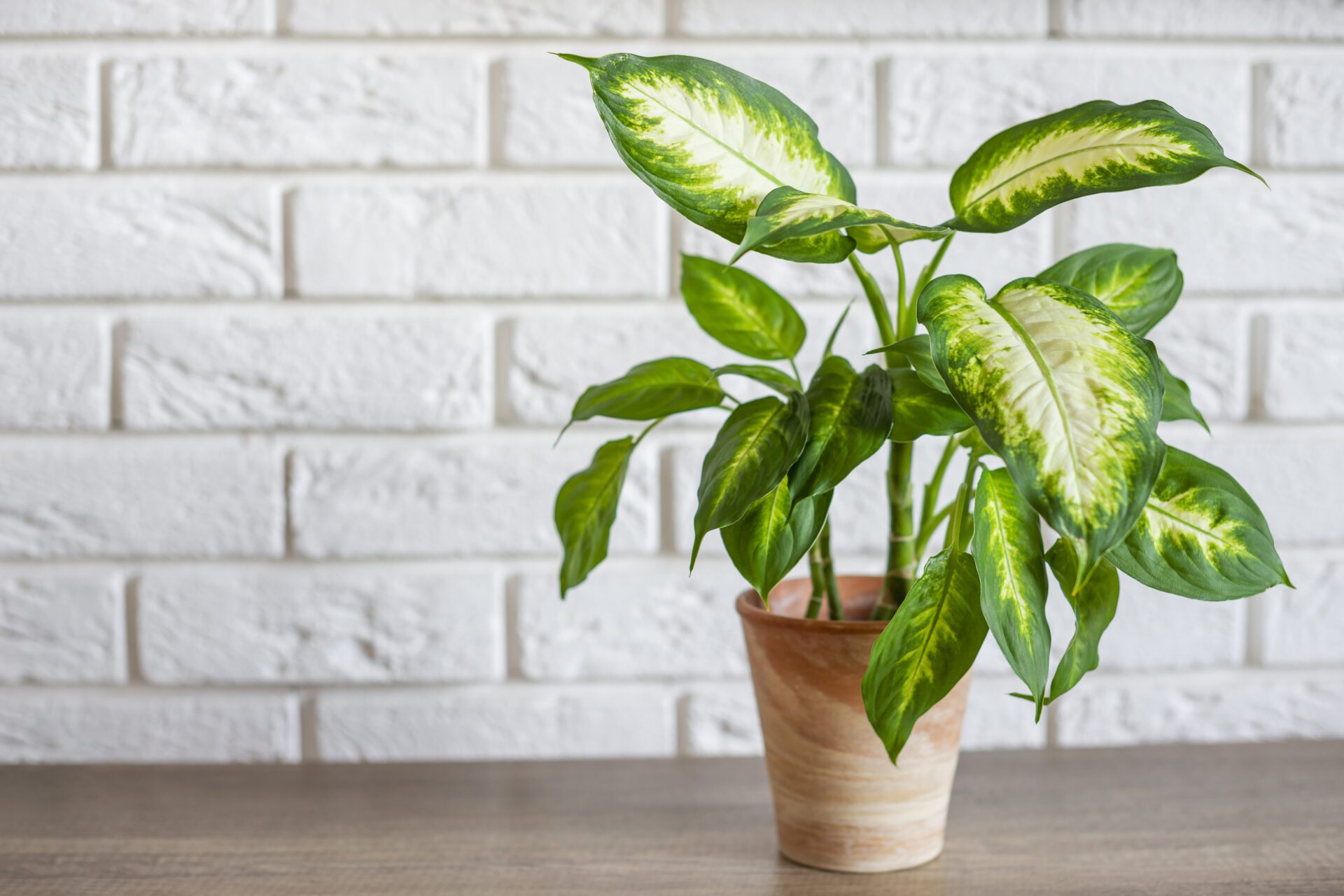 ━━ Dieffenbachia is a beautiful flower that threatens the life of your pets.
( Source: Damian Pawlos / iStockphoto )
Aloe vera
Although aloe vera is considered a medicinal plant for humans, it can be toxic to pets. Vomiting, diarrhea or tremors usually occur after ingestion. The skin and the latex it contains are particularly dangerous.
Lilies
Cats are at extreme risk if they ingest any part of the lily as it is poisonous in its entirety. It only takes a small amount to cause kidney failure within 24 to 72 hours. After ingestion, severe vomiting, apathy, extreme thirst and frequent urination occur.
Monstera
A very popular houseplant is the monstera, which stands out with its large, beautiful leaves. However, it produces a toxic reaction in both dogs and cats, which manifests itself as oral irritation, severe salivation, swelling and vomiting.
Other dangerous plants
Other plants that should not be kept near pets include ficus benjamin, potato plant, lily of the valley, thimbleberry, calla lily, hydrangea, begonia, daffodil, oleander, yew or azalea.


 Šárka Cvrkalová

 L. Novak



 O. Müller
