

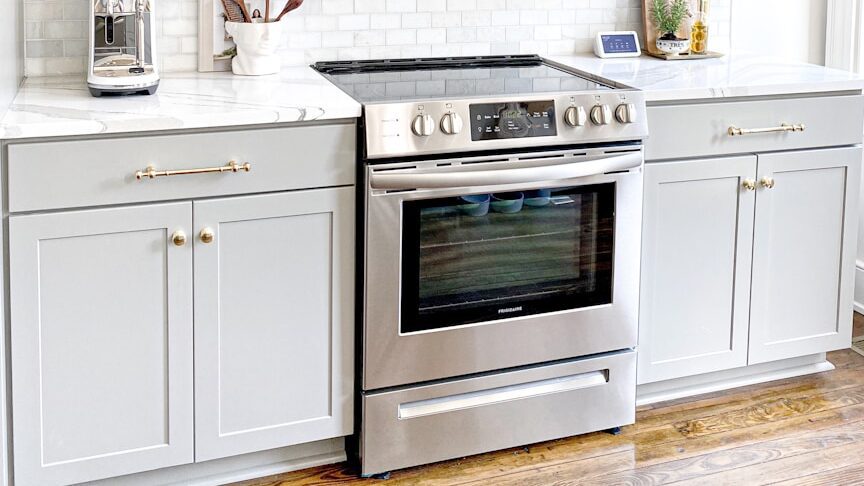
Most recipes start with the words: “Preheat oven to 180 °C…” This advice is a kind of unwritten cooking ritual. Many of us do it automatically. Sometimes we skip a step if we’re in a hurry, for example, but in most cases, preheating the oven is a daily routine in every family. But what if it’s just an unnecessary step that delays and consumes energy?
Is preheating the oven really necessary? Could it just be an unnecessarily overrated habit? We explain when preheating makes sense, when you can skip it, and what can happen if you ignore it. With regard to the operation of your home oven, baking chemistry, food safety and energy resources.
Why does preheating make sense?
Preheating the oven means that the oven reaches the desired temperature before you put the food in, not while it’s baking. This ensures that the temperature inside the oven is even from the start of cooking and that the food starts to respond to the heat immediately. This starting temperature is often important for the correct texture, structure and appearance of the food. For example, baked bread, cookies, cakes or pastries need a sudden heat shock to activate the yeast or baking powder, allow the dough to rise properly and create a crispy crust. If the oven is not preheated, these chemical and physical reactions can go wrong.
In addition to a better taste and texture of the food, preheating the oven has a practical impact. The food cooks evenly, the surface doesn’t burn before the inside is sufficiently cooked through, and the even heating makes the result more stable.
When can you skip preheating the oven?
Although preheating is often recommended, it is not universally necessary. It depends on what you are cooking. For example, experts say that some cakes, cobblers, slow-baked breads or dishes in a baking dish can cope well with a slow temperature rise when placed in a cold oven.
Similarly, dishes that are long and slow baked, or where the quality of the crust or perfect doneness is not critical (e.g. baked pasta, stews, some vegetable mixtures), often do not require preheating. For these, simply allow for a longer baking time. In addition, if you are only reheating the finished food, preheating is not necessary. The oven will reach the required temperature during the reheating process and the food will reheat.
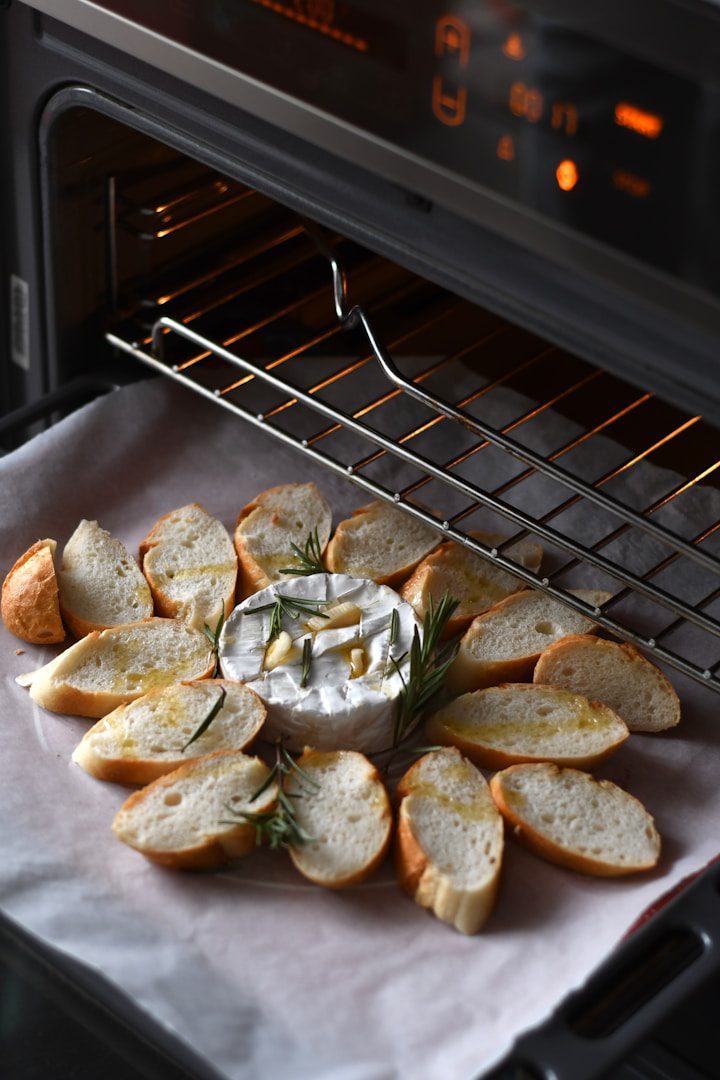 ━━ Does it preheat the oven before baking each dish? You may be wasting energy.
( Source: Raspopova Marina / Unsplash+ )
What you may be at risk of if you skip the preheating
If you skip preheating when baking sensitive foods (pastries, cakes, doughs, baked goods with yeast/baking powder), you may end up with food that is:
- unevenly cooked
- without the right texture
- less flavour and consistency
In terms of safety, especially with meat or poultry, slower heating can mean longer periods of time where the food sits in a temperature range suitable for bacteria to multiply. However, experts point out that preheating alone is no guarantee of safety; simply getting the food to the right internal temperature is more important. In addition, if a recipe specifies a baking time because the oven is preheated, for example, omitting the preheating means that the specified time may no longer apply.



 L. Novak



 O. Müller

 A. Urban