

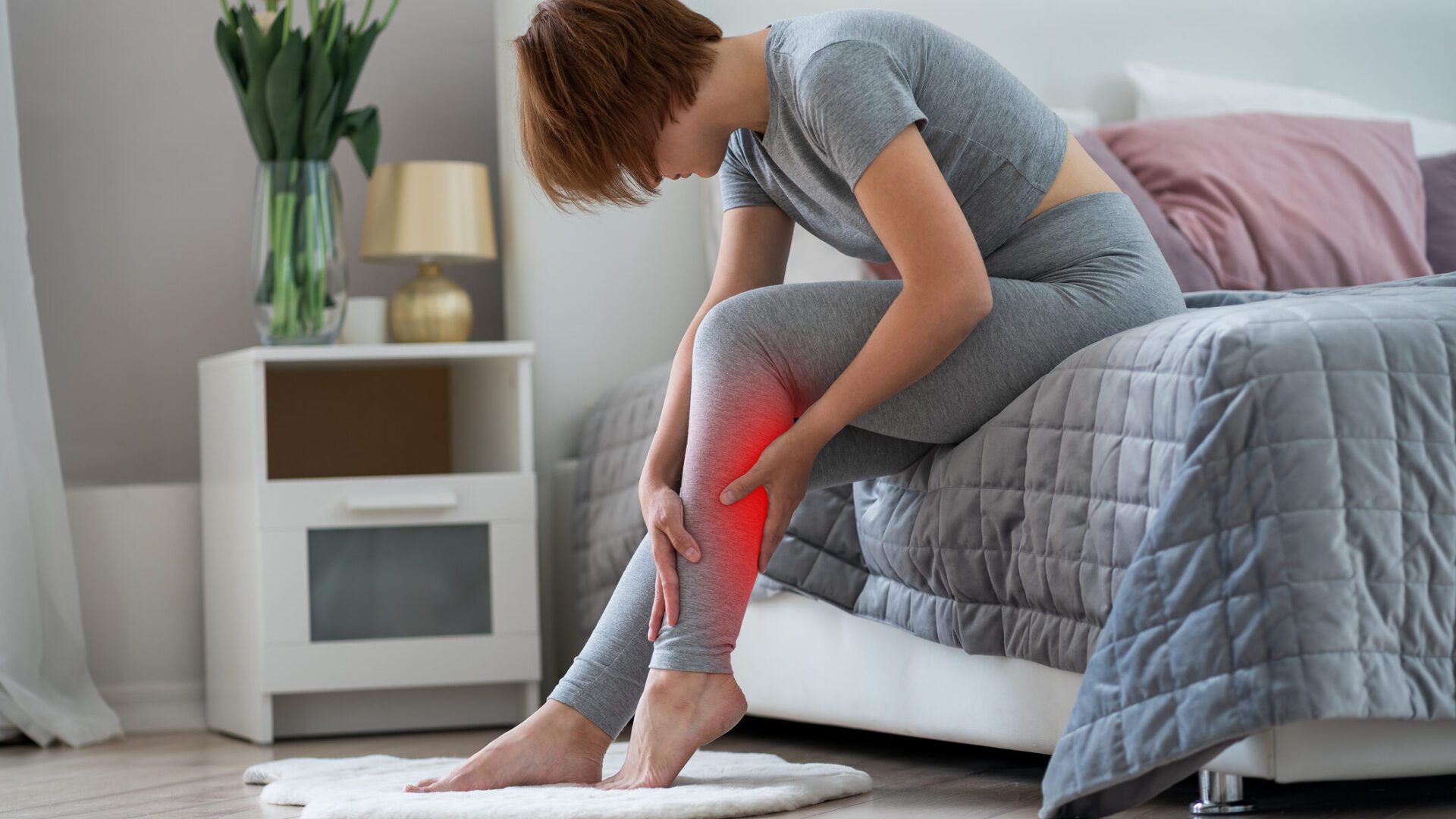
Many people complain of more frequent cramps during the winter months, especially in the calves and thighs. A cramp is a sudden, painful, involuntary contraction of a muscle that can last from a few seconds to several minutes and often leaves the muscle tender even after it has subsided. Estimates show that about 60% of adults experience cramps at least occasionally. In some groups (seniors, pregnant women) the incidence is even higher. And it’s even worse in winter.
The reasons why cramps occur and why they seem to be more common in winter are multifaceted. They include changes in blood flow to the muscles when it is cold, different drinking habits, seasonal changes in vitamin D, reduced physical activity and the medications we take. How to deal with cramp and what to do specifically against it in winter?
Cold, blood circulation and muscle irritation
Cold causes constriction of blood vessels in the skin and peripheral tissues to keep the core of the body warm. This can reduce blood flow in the muscles, increase muscle tension and make it easier for cramps to occur, especially when suddenly warming up or when exercising a cold muscle. Changes in flow and ischaemia on cooling and warming can increase muscle soreness and tightness.
At the same time, cold leads to stiffening of muscles and tendons. Muscles become less flexible, increasing the risk of sudden contraction during movement or even at rest during sleep. This is especially true for people with chronic conditions such as arthritis or vascular disorders, but also for older individuals, for whom night cramps are a common problem.
Hydration, electrolytes and medication
Common recommendations against cramps often mention increased hydration and supplementation of minerals such as sodium, potassium, magnesium, calcium. In winter, people feel less thirsty and drink less, especially when staying in overheated indoor spaces. This can easily lead to mild dehydration and a higher risk of muscle cramps.
Next, medication should be mentioned. Cramps are often related to diuretics, statins, some inhalers. Even other medications are often associated with their increased incidence. We also take supplements or cold medications more often in the winter, change our regimen, and this can interact with hydration and electrolytes. Consult a physician for any significant worsening of cramps.
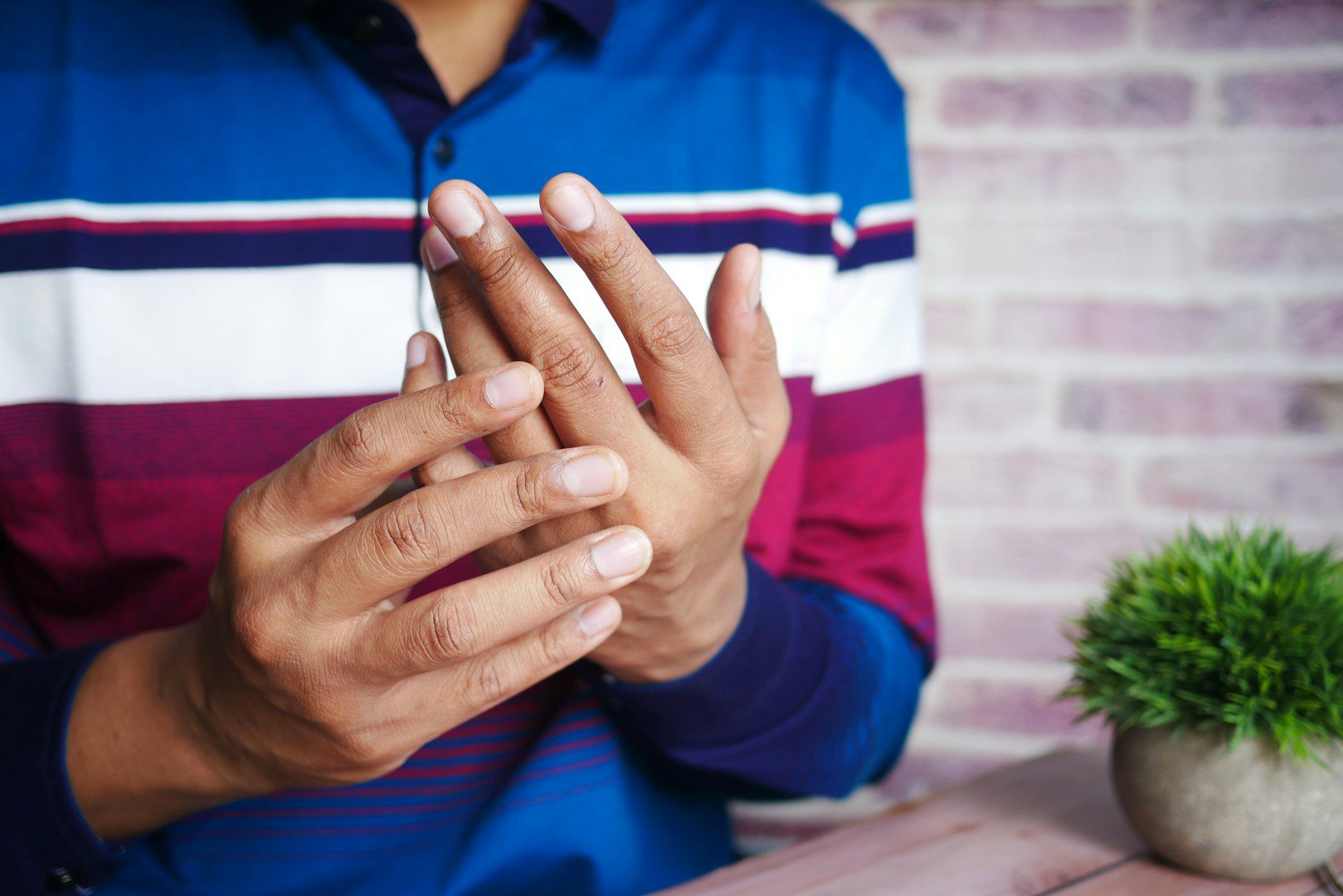 ━━ Cramps can affect the hands, feet, but also the jaw. They attack all parts of the body, especially when it is cold outside.
( Source: Towfiqu barbhuiya / Unsplash+ )
Seasonal vitamin D deficiency and lower activity
Vitamin D not only affects bones but also muscle function. Its deficiency is associated with muscle pain and weakness and may increase susceptibility to cramps. A global meta-analysis shows that approximately 15-16% of the world’s population has critically low vitamin D levels in winter. In addition, overall daily physical activity declines in winter. People are more sedentary, stretch their muscles less, and are more likely to remain in passive positions in the evening, which is associated with a higher incidence of nocturnal cramps.
Gentle stretching of the muscle, massage, a warm compress and fluid replenishment help with acute cramps. If the cramp occurs at night, careful leg positioning and slow stretching will help. If the cramp recurs, avoid sudden physical strain on cold muscles. Keep hydrated, keep moving and consult a doctor if you have major problems.



 L. Novak



 O. Müller

 A. Urban