

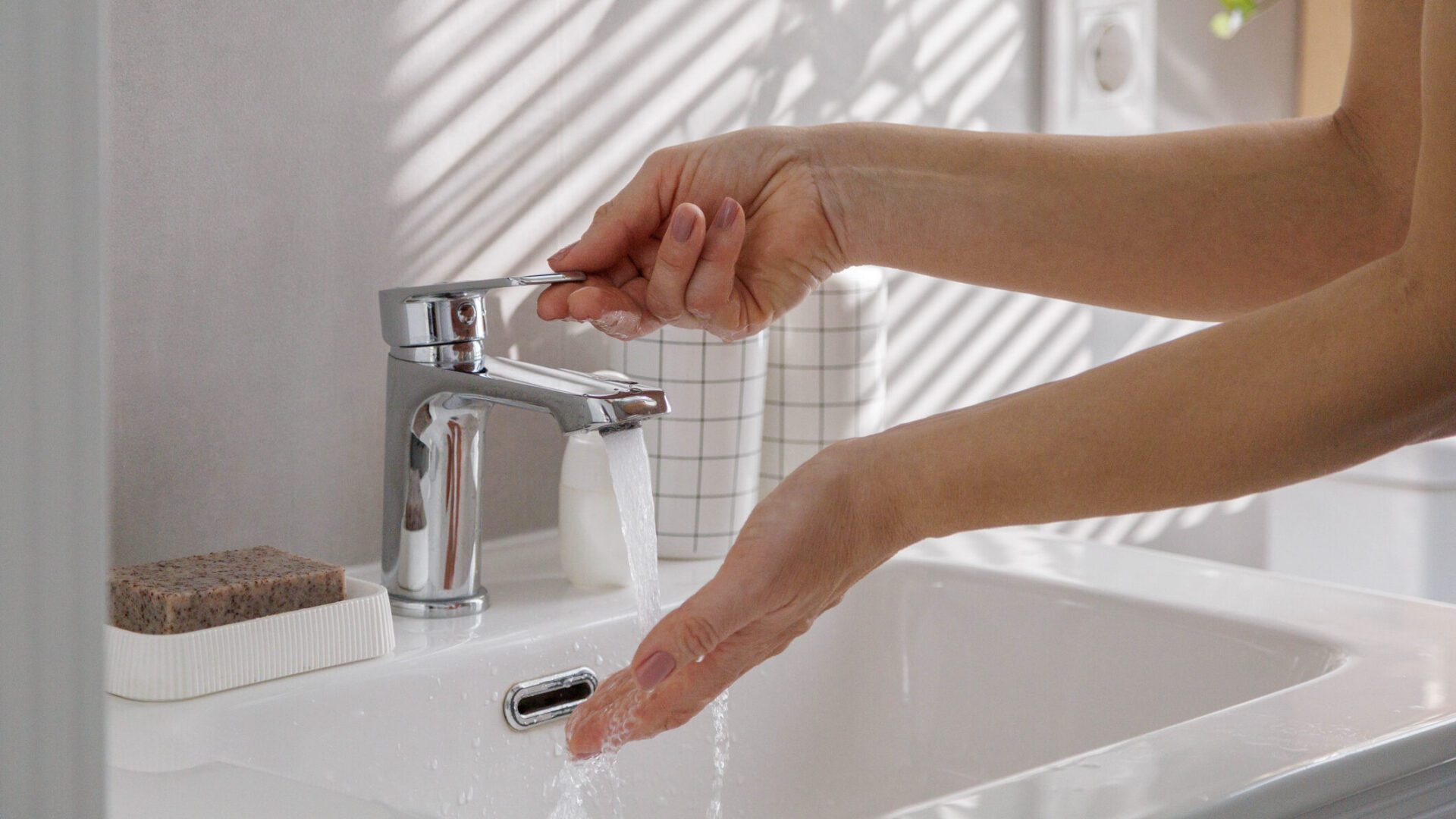
Of course, when washing the bathroom, we must not forget about the sink. However, most people clean the sink from the outside, then also clean the bottom drain, in many cases, people even pour the cleaners into the drain. Still, sometimes we smell an unpleasant odor from the sink and we don’t know why. How often do you clean the small hole that the sink has on the side, often also located near the top edge of the sink?
It’s called an overflow hole. Most people think it is just a safety feature in case the sink fills up too much so that the water has somewhere to drain. But in fact, this small hole has other functions. It is definitely not to be forgotten when cleaning the sink.
It prevents vacuum from building up
The overflow hole serves as a safety feature. As many people logically guess, if, for example, the water rises too high in a clogged sink, it will drain out at least a little through this hole. However, it also has a less visible function: it helps to ventilate the drain area and prevents vacuum from building up. This could otherwise reduce the functionality of the main drain.
Few people realise that the overflow opening needs to be cleaned quite often. It is literally a magnet for grease, soap, cosmetics, hair and sediment. Water runs into this hole quite often, but we rarely flush or mechanically clean it ourselves. This makes it very easy for mould and algae to form, which then causes odours.
Do not neglect cleaning the overflow hole
People often wonder why their sink smells even though they clean it. However, they do not realise that it is not enough to simply wipe the overflow hole. It also needs to be cleaned from the inside. Otherwise, not only is the odour caused, but also the spread of bacteria. These can leak from the sink into the home and harm our health. For people with a sensitive sense of smell or allergies, this can cause skin irritation, respiratory irritation or aggravate asthma.
In addition, a clogged hole can limit the function of the overflow. If the main drain fails (for example, is blocked) but the overflow cannot perform its function, water will start to overflow over the edge of the sink, which can lead to damage to furniture and floors, and flooding of neighbours. The damage will then be both material and financial.
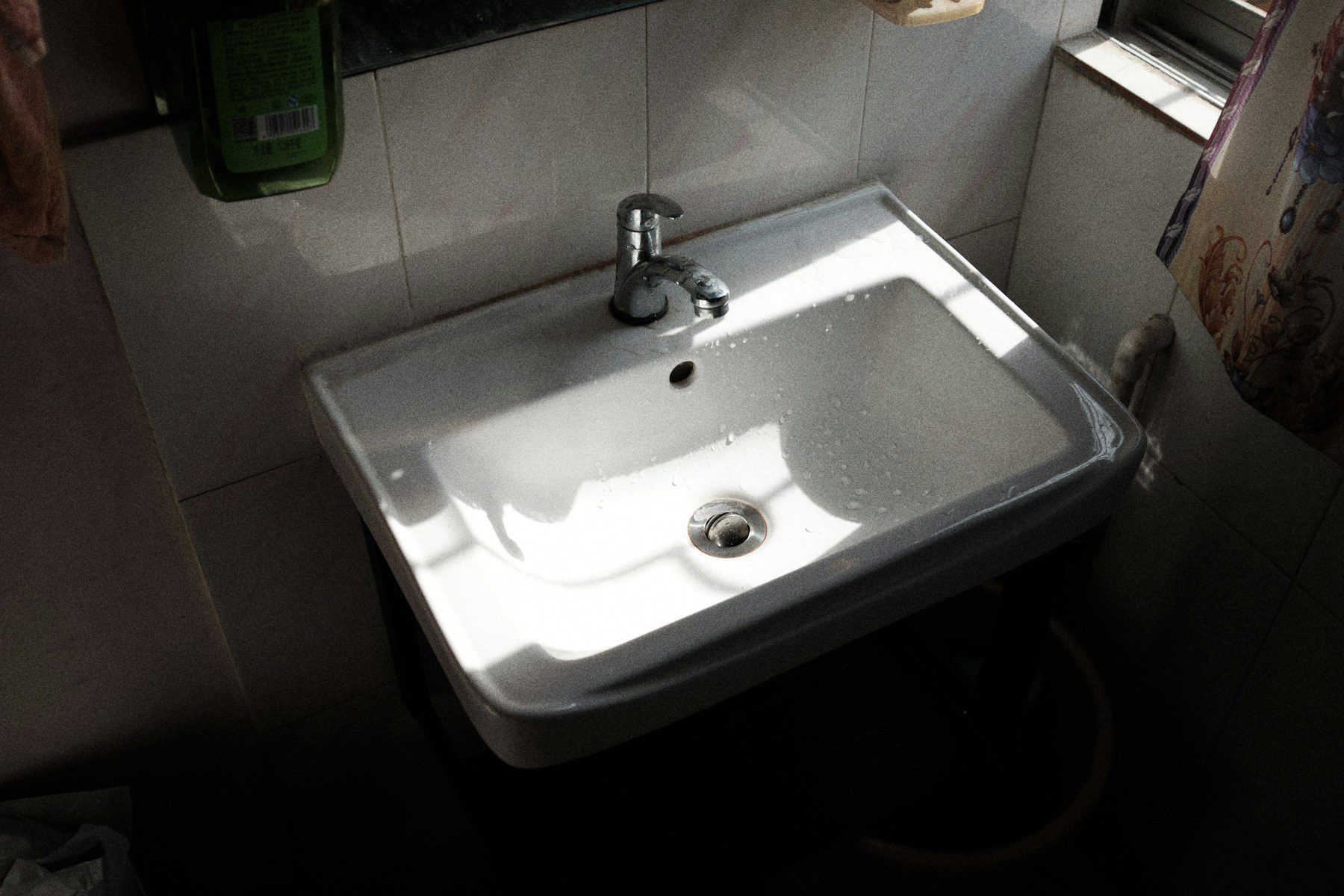 ━━ The overflow hole must be cleaned regularly. It is not difficult.
( Source: Aaron Boucicault / Unsplash+ )
How to clean the overflow hole
To clean the overflow hole, you will need rubber gloves, an old toothbrush, a brush, or better yet, a small bottle brush that is long and narrow, a bowl of hot water, baking soda and vinegar. Insert the toothbrush or brush into the hole and try to remove as much of the soap, grease and dirt as possible. Insert the longer flexible brush deeper.
Then pour some baking soda into the hole, pour the vinegar over the mixture and leave it for about 5 minutes. Once it’s thoroughly foamed, run water through the hole a few times, then brush it again and rinse with water. To keep the smell from returning, try running a little water directly into the overflow every week. This will prevent grease and dirt from accumulating in it.



 L. Novak



 O. Müller

 A. Urban