

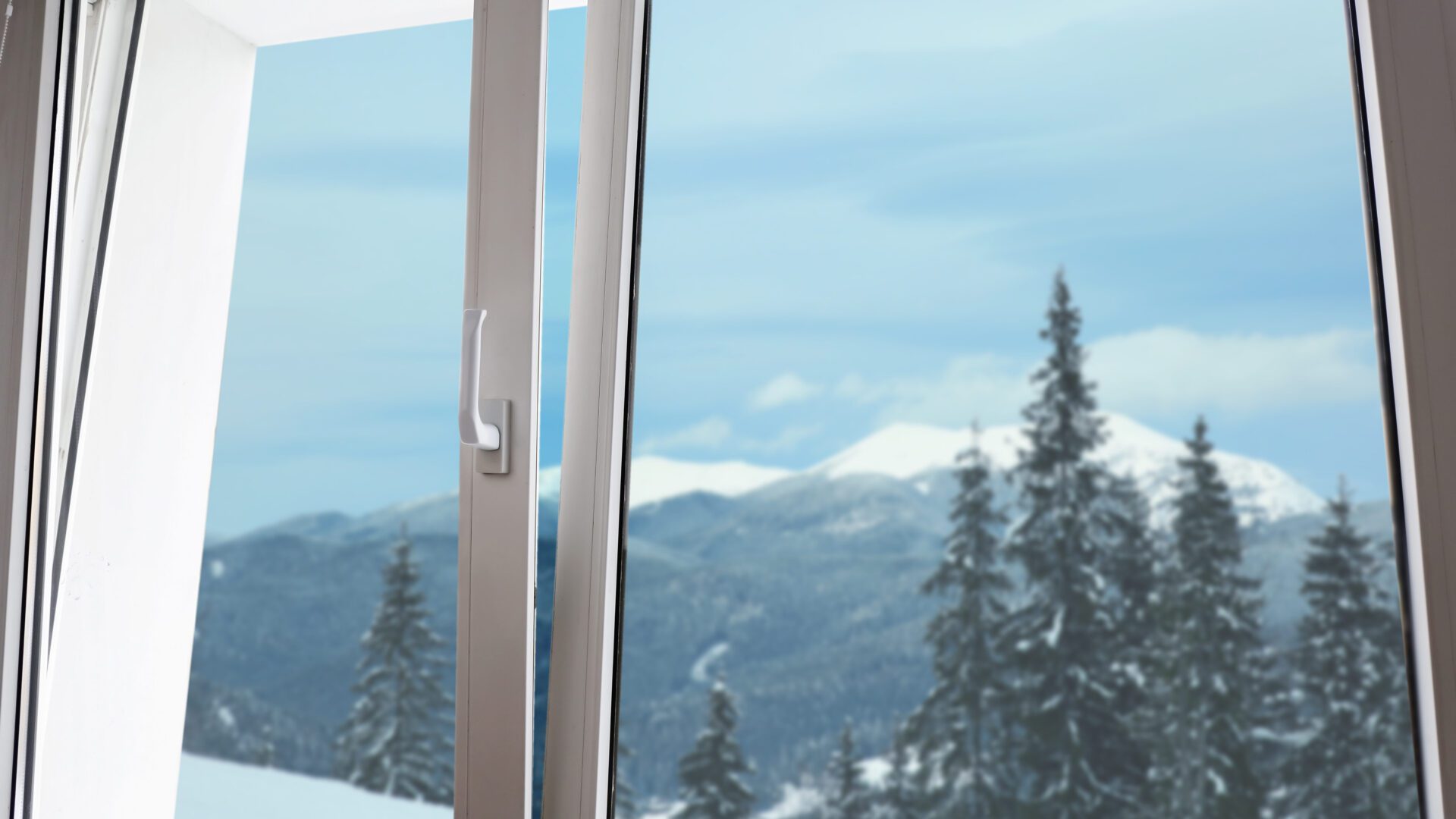
When it’s freezing outside, it’s tempting to close the windows and never open them again. You don’t want the heat you’ve created to escape. But paradoxically, this behaviour can lead to higher heating bills and put your health at risk. Low relative humidity, which often occurs because of heating without ventilation, has a number of undesirable consequences. Both on your interior and on the quality of your health.
Ventilation is important. And not only in summer, but also in winter. The fact that you heat your home creates heat, so letting cold air into your home might seem counterproductive. But it’s the heat and dry air that are the big problem. You need to learn to ventilate properly and efficiently.
How does heating without ventilation degrade air quality and health?
Heating without sufficient air exchange reduces the relative humidity indoors. In winter, it can drop below 20%, especially in tightly insulated spaces such as basements or smaller apartments. Experts say such low humidity is very risky because it dries out the mucous membranes of the upper respiratory tract and reduces their protective function.
Dry air sucks moisture out of the body. The eyes, nose and throat dry out, and the skin can crack and become irritated. All this increases susceptibility to viral or bacterial infections. Low humidity is also associated with fatigue, headaches and dry mouth.
Not ventilating? You’re hurting your health and your wallet
You might think that if your home is dry, it would be easier to heat. But in reality, the savings on heating bills can be illusory. Relative humidity actually affects the way the temperature feels. At optimum humidity (around 45-60%) we perceive the space as warmer, which means we can maintain a lower temperature. A difference of two degrees Celsius in sensible temperature due to the right humidity can mean a saving of up to 12% in heating energy.
In addition, according to an analysis of the REHVA website, humidification, i.e. increasing the humidity in the air, can also lead to a significant increase in energy bills. For a typical house simulated for northern European conditions, the increase can be up to 20%.
If the home is not ventilated in winter, the risk of condensation increases, i.e. moisture that is not ventilated can settle on cold surfaces such as windows or corners of rooms. This can lead to mould or damp in the structure. This not only poses a health risk but can also cause heat loss.
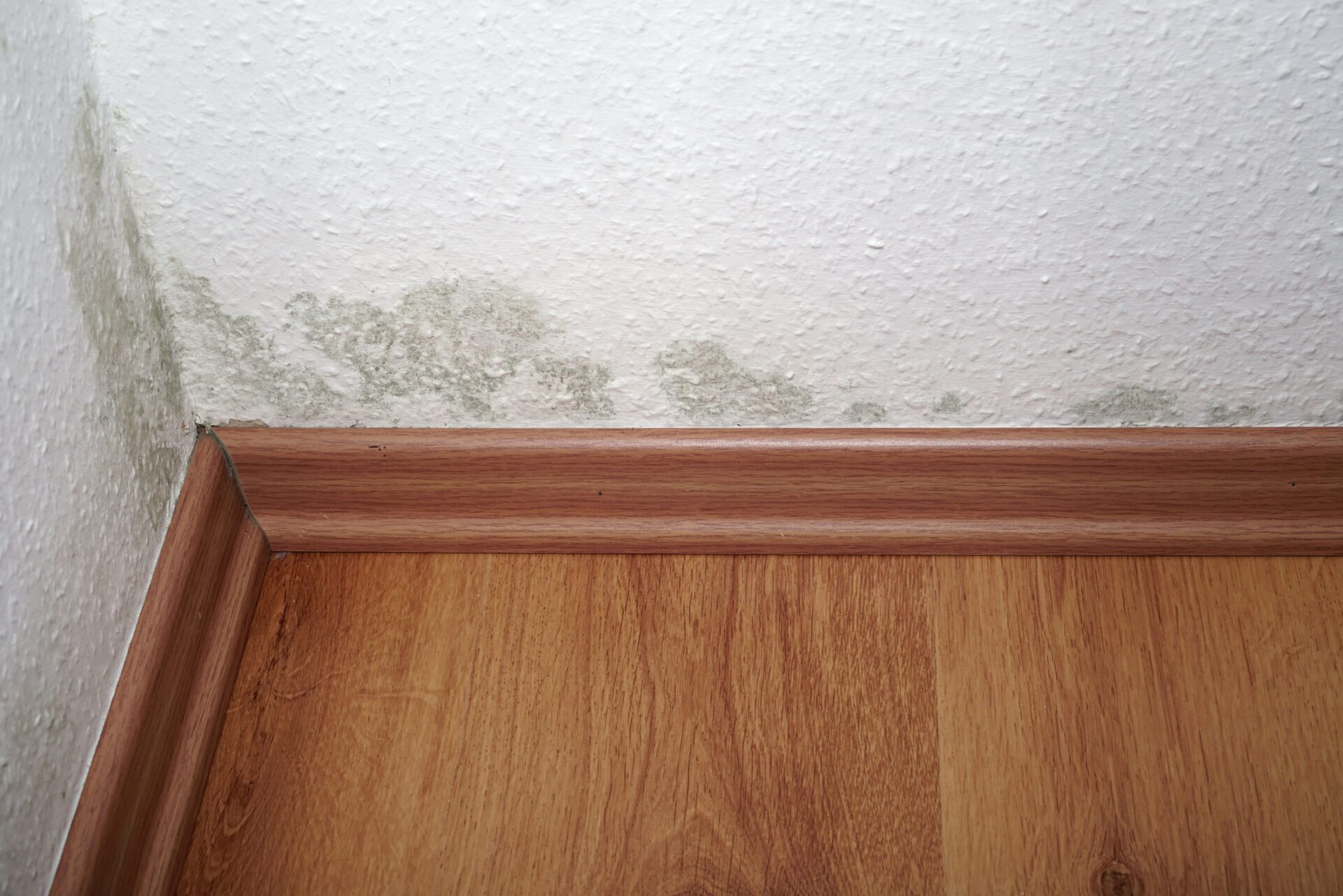 ━━ Improper ventilation in the apartment can lead to mould. These subsequently cause health problems and are difficult to get rid of.
( Source: Heiko Küverling / iStockphoto )
How to find a balance for health and savings?
The ideal relative humidity in winter should be around 40%, up to a maximum of around 55%, to avoid health problems such as drying of the mucous membranes. Therefore, ventilation is important even in the cold months. Even short, but effective ventilation intervals (e.g. intensive ventilation for 5 to 10 minutes twice a day) can help significantly to remove moisture and replace expired air.
Some people ventilate their homes by leaving a window open for a longer period of time, so to speak. However, this is not ideal. It is far better to actually open the window for just a few minutes, open the door as well and create a draft, then close everything up again and enjoy the pleasant warmth.



 L. Novak



 O. Müller

 A. Urban