

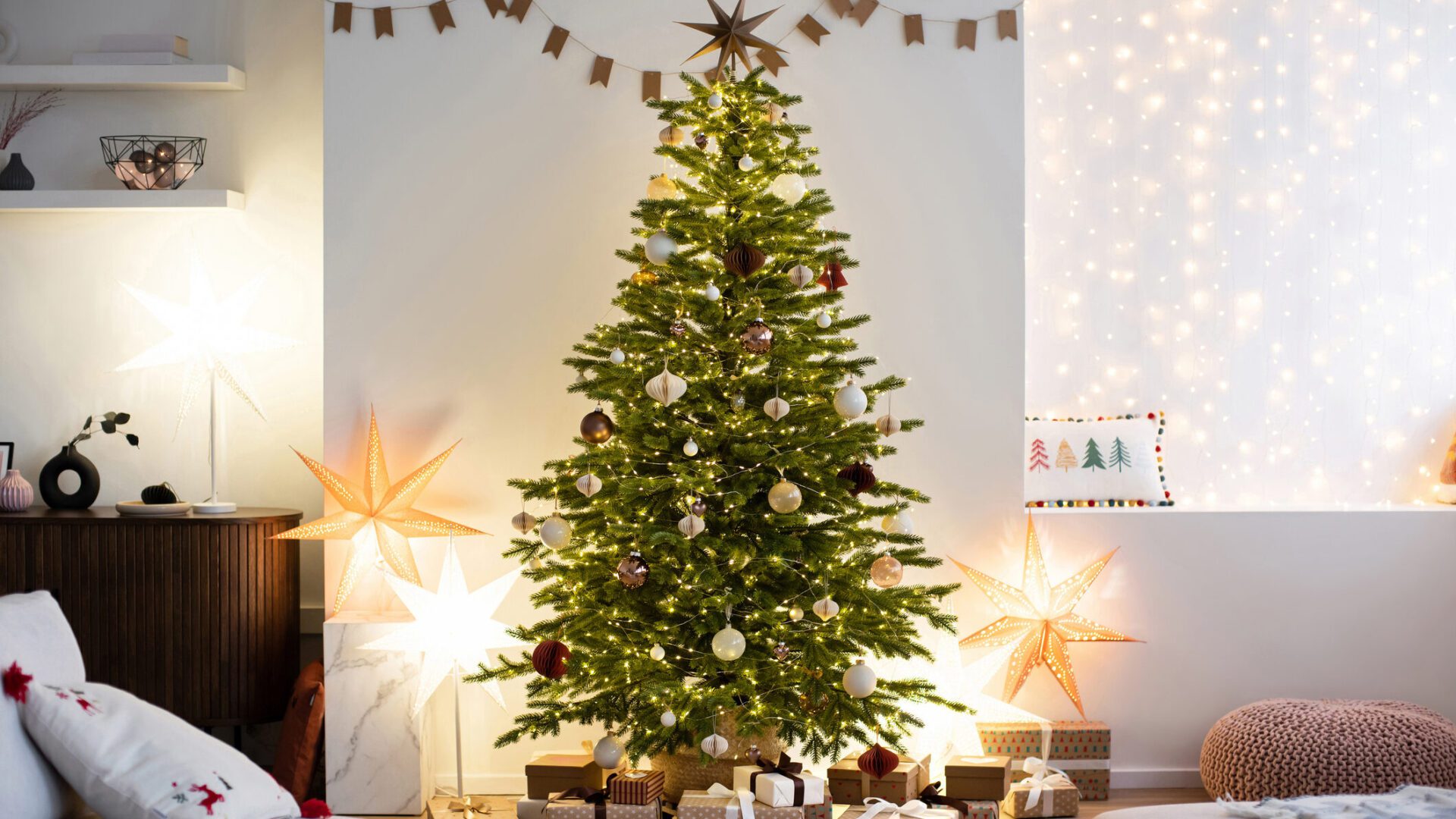
People often choose a Christmas tree with their hearts. They simply choose the one that catches their eye among the others. We like the shape, the colour, the density of the branches. But even if the tree looks good on the sales stand, it can quickly wither and shed its needles at home. Choosing the right kind of tree, simple freshness tests and careful care after bringing it home will determine whether it lasts through the holidays or falls off after a few days.
Around 25-30 million live trees are sold in the US each year. And up to half of buyers have a problem with early fall. Yet all people need to know are the basic rules of how to choose a tree. Do you know what to look for in the store?
What kinds of trees last the longest
The best choice for home decoration during Christmas is usually fir trees. These have full branches, a pleasant scent and a good ability to retain needles even in the warm, dry environment of the living room. Christmas tree sellers and university gardening services report that this type of tree can also handle heavier decorations due to its sturdy branches. If you want a tree that won’t dry out in a few days at home, you’re pretty much in the clear.
On the other hand, some spruces and firs with more fragile needles can lose their needles more quickly, especially if they have been stored or exposed to drought for an extended period of time. Just because a tree’s branches look dense at the point of sale is no guarantee that they will stay that way in your home. Aesthetics often hide damage caused by improper storage or long periods without water.
How to test a tree thoroughly when choosing one
The easiest and most reliable test to help you choose the right tree in the store is the so-called pull test. Grasp the branch between your thumb and forefinger and pull along it towards the edge. With a fresh tree, the branches should bend, not break. Also, shake the tree in the stand or tap it gently. A fresh tree should not have large amounts of green needles falling from underneath it.
Other indicators that can help determine the freshness of a tree include scent (a fresh tree smells distinctly coniferous), color (the tree is free of spots or yellowing), and stump moisture (a dry stump base is a warning sign). Ask the seller when the tree was cut down. The less time that has passed since the cut, the better.
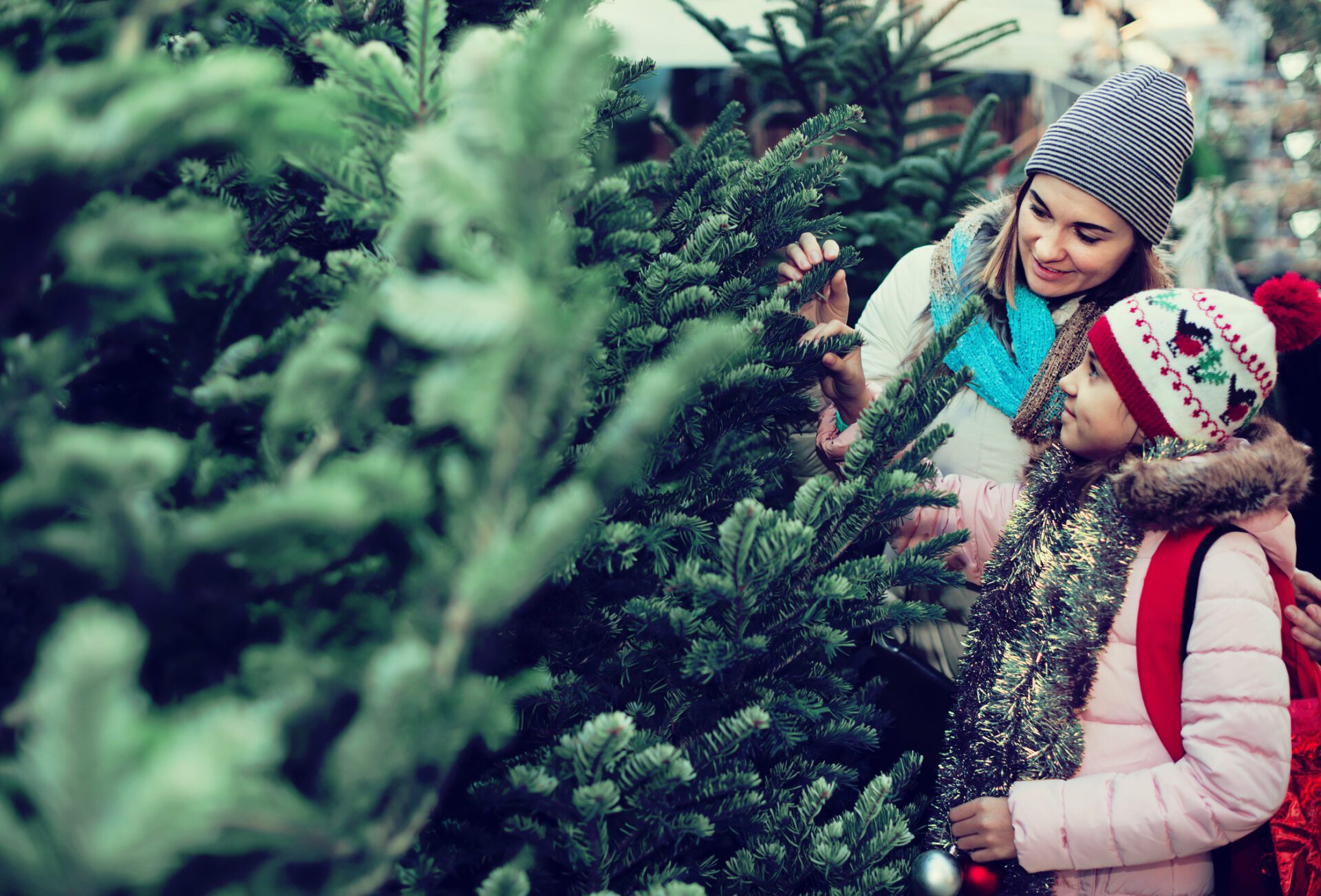 ━━ There are a number of details to watch out for when choosing a Christmas tree. This way it can last longer.
( Source: JackF / iStockphoto )
Care after arrival
After the tree has been brought into your home, continue to care for it. Always cut about 2 to 4 inches off the stump with a fresh cut (unless the seller did this just before the sale). This fresh cut will remove the dried resin and open up the blood vessels so the tree can absorb water quickly. Place the tree in a stand with a water reservoir and fill it right away. A freshly cut tree drinks a lot of water in the first few hours. Studies show that lack of water and deterioration of water quality in the container increase the possibility of needle loss.
A tree can drink several litres of water in one day. Never let the stand dry out. Repeatedly drying out and restarting suction impairs needle retention. Place the tree as far away as possible from heating elements, i.e. a fireplace or direct sunlight, and use LED lighting. Both studies and practical guides recommend these steps as key to minimizing dieback.



 L. Novak



 O. Müller

 A. Urban