

Sugar is virtually the only legal drug consumed by people around the world. Many people want to avoid sugar, so they buy goods that pretend to be sugar-free. However, many foods without added sugar do contain sweeteners. Take a look at the list of ingredients. If you see xylitol, it’s clear that the food contains a sugar substitute. It’s a sugar alcohol that tastes virtually the same as sugar. However, it does have some benefits such as fewer calories.
Are they really sugar-free?
Just because something is sugar-free doesn’t mean it’s not sweet. Xylitol as a sugar substitute is commonly used in sugar-free chewing gum, but also in baked goods or candies. And even foods suitable for diabetics contain it, as xylitol has a negligible effect on blood sugar levels. Even mouthwashes or toothpastes contain xylitol. Other oral care products also contain it.
What is xylitol?
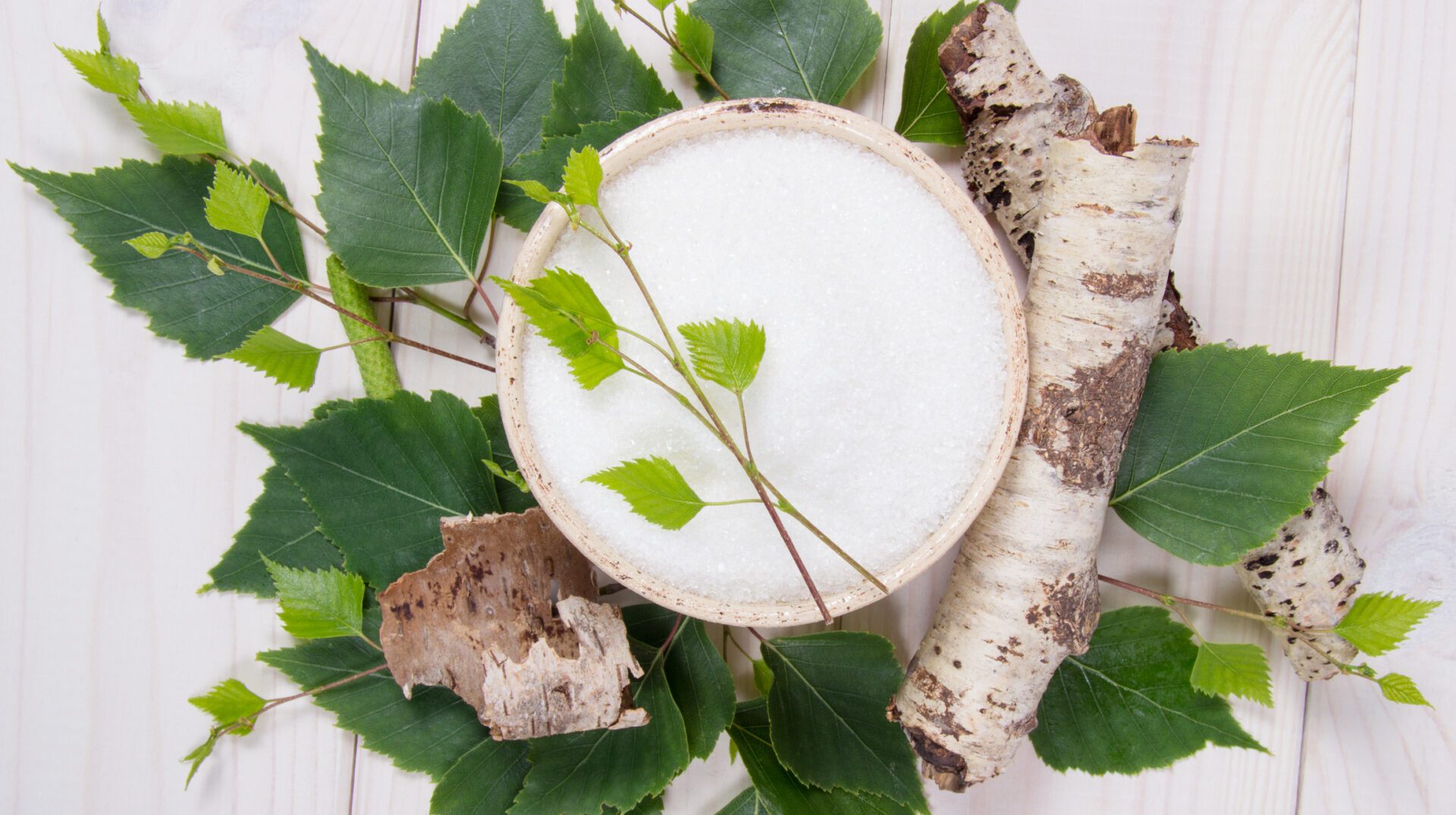
It is a type of carbohydrate that can also be called polyol or sugar alcohol. It occurs naturally in several fruits and vegetables. Commercially, xylitol is made from birch bark or corn cobs. Its safety is confirmed by the US Food and Drug Administration and the World Health Organization.
 ━━
( Source: yulka3ice / Unsplash+ )
Better than sugar
Xylitol is definitely more beneficial than sugar. It reduces the risk of cavities in adults and children from the age of five. However, it is not entirely clear whether it also helps prevent cavities in younger children. In addition, giving products containing xylitol daily after meals to preschool children probably reduces the risk of ear infections. However, if you start giving the products after the infection has started, it will no longer be effective.
Side effects
Xylitol is usually included in some other food. It is probably safe when used in chewing gum, candy, toothpaste, and the like. A safe amount is up to 50 grams per day. However, this sweetener can cause diarrhea and gas in some people. Taking high doses is probably dangerous. Long-term use of high doses can cause tumours.
There is not enough information on whether xylitol is suitable as a sweetener during pregnancy. Similarly, there are no studies to indicate whether this sweetener is suitable for consumption during breastfeeding. However, it is always important to follow a safe dosage. Then consumption should be without problems. Xylitol can also be used to clear sinuses, but only when mixed with water.
Risk of heart disease
High levels of xylitol in the blood can increase the risk of vascular and also heart problems. However, there is not enough information on whether consuming large amounts of xylitol increases the risk of heart or vascular problems. If you consume this sweetener in moderation, there should be no problem. Nor should there be an increased risk of heart attack or stroke.


 Šárka Cvrkalová




 O. Müller

 A. Urban