


We think of the ozone layer as part of our planet, as the protection that keeps us alive. But gradually, there is more and more talk of its weakening. The importance of the ozone layer is thus commemorated on International Ozone Layer Protection Day, which falls on 16 September.
What is the ozone layer and why is it important
The ozone layer is part of the stratosphere and is located approximately between 10 and 50 kilometres above sea level. It performs a very important function. It traps harmful radiation from the Sun, effectively acting as a shield for life on Earth. If the layer were not functioning properly, humans would be exposed to enough solar radiation to put our lives at risk. At the same time, all of nature’s natural processes would be disrupted.
The history of ozone layer protection
Decades ago, people realised that action was needed to protect the ozone layer. Nations came together under the Vienna Convention, which was adopted in 1985, and negotiated measures to protect the planet from UV radiation that penetrates through damaged parts of the ozone layer. Subsequently, the Montreal Protocol was signed on 16 September 1987, which provided for restrictions on the production and consumption of certain man-made chemicals such as chlorofluorocarbons.
On the anniversary of the signing of the Montreal Protocol, the United Nations General Assembly then proclaimed 16 September 1994 International Day for the Protection of the Ozone Layer.
“The ozone layer, once a sick patient, is on the road to recovery. At a time when multilateralism is under great pressure, the Montreal Protocol to protect the ozone layer is a powerful symbol of hope,” said UN Secretary-General António Guterres.
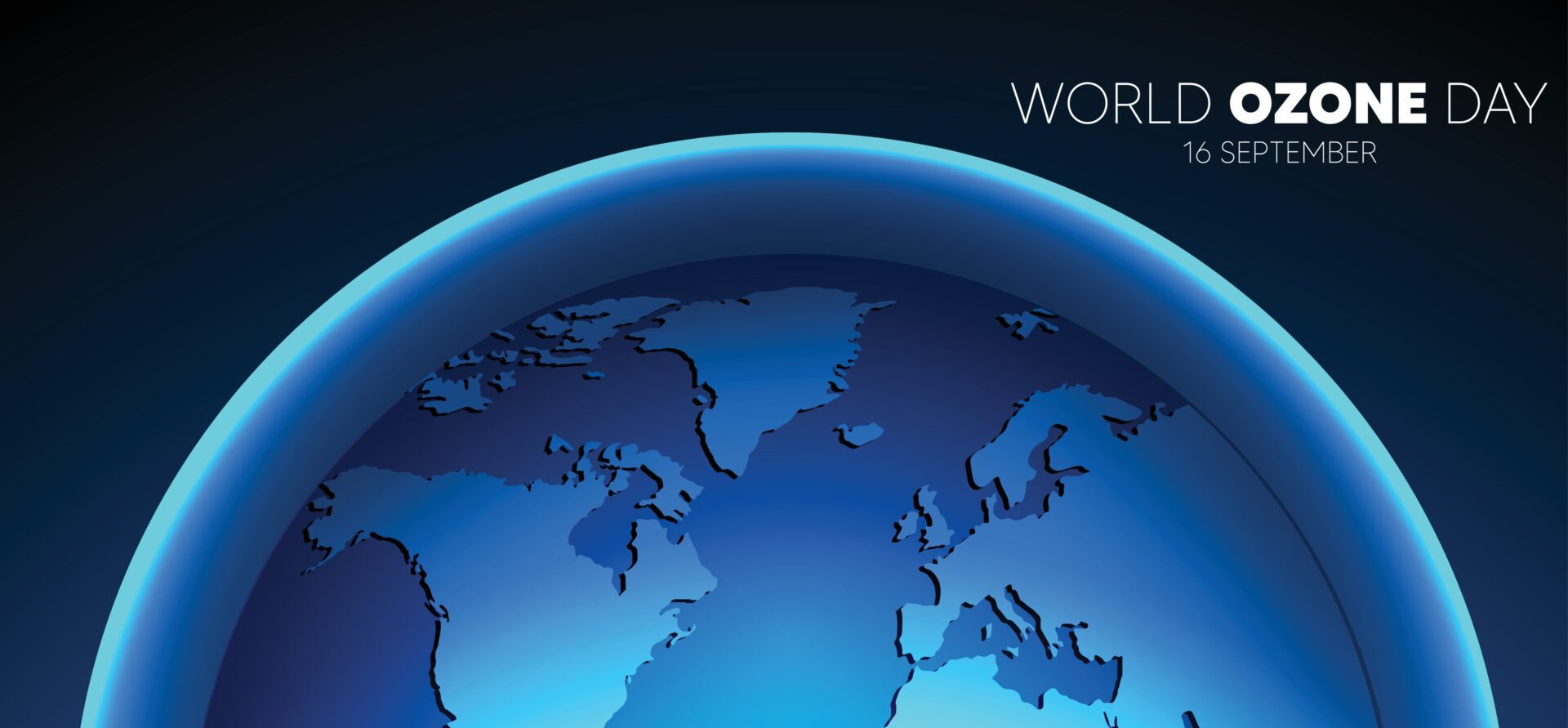 ━━ The ozone layer is gradually rebuilding.
( Source: ARTDOWN / Shutterstock )
Achievements and current status
The Montreal Protocol has significantly reduced ozone-depleting substances. Scientific data shows that it is indeed recovering. Consumption of these substances has been reduced by around 99% worldwide between 1986 and 2023. The European Union has also committed to completely phasing out the consumption of hydrofluorocarbons (HFCs) by 2050, a measure aimed at combating climate change. HFCs are powerful greenhouse gases, even though they do not directly damage the ozone layer.
If the targets are met as planned, the ozone layer should be restored to its pre-ozone hole state by 2066 over Antarctica, by 2045 over the Arctic and by 2040 for the rest of the world. It should therefore look the same as it did in 1980. So far, the recovery is going well, according to the data.
Summary
International Ozone Layer Protection Day is an important date. It shows that people are able to come together to work to preserve life on the planet. Thus, thanks to the Montreal Protocol , they face threats with hope and optimism. However, it is essential to work on other measures to support the recovery of the ozone layer. By preventing the penetration of large amounts of harmful UV radiation, we will protect our health and nature.


 Šárka Cvrkalová

 L. Novak



 O. Müller
