


It is common knowledge that mental health problems afflict a significant proportion of the population. However, little is made of the fact that women are significantly more likely to suffer from them than men. According to the World Health Organization (WHO), more women than men suffer from anxiety disorders. Why is this so? There are a number of reasons, ranging from biological mechanisms to hormonal influences to social and cultural factors.
There are seemingly more and more mental health problems in the world. Even years ago, people faced complications in this regard, however, they were not talked about as much. Nowadays, more people are willing to admit to a problem and talk about it with friends and professionals. But why are women more likely to suffer from anxiety?
Biological and hormonal factors
One significant reason why women are more likely to suffer from anxiety is the biological differences between them and men. And this includes the hormonal changes that women go through throughout their lives. We are talking about the menstrual cycle, pregnancy or menopause.
For example, as one review study notes, reproductive events during a woman’s lifetime are associated with hormonal changes and, consequently, with anxiety. Thus, it can be seen that biological predispositions play a significant role in the gender gap.
How big are the differences?
Epidemiological data clearly show that women are affected by anxiety disorders significantly more often than men. For example, in the USA, 23.4% of women had an anxiety disorder in the last year, compared with 14.3% of men. Other surveys then report that women have on average a 1.5 to 2× higher risk of an anxiety disorder than men.
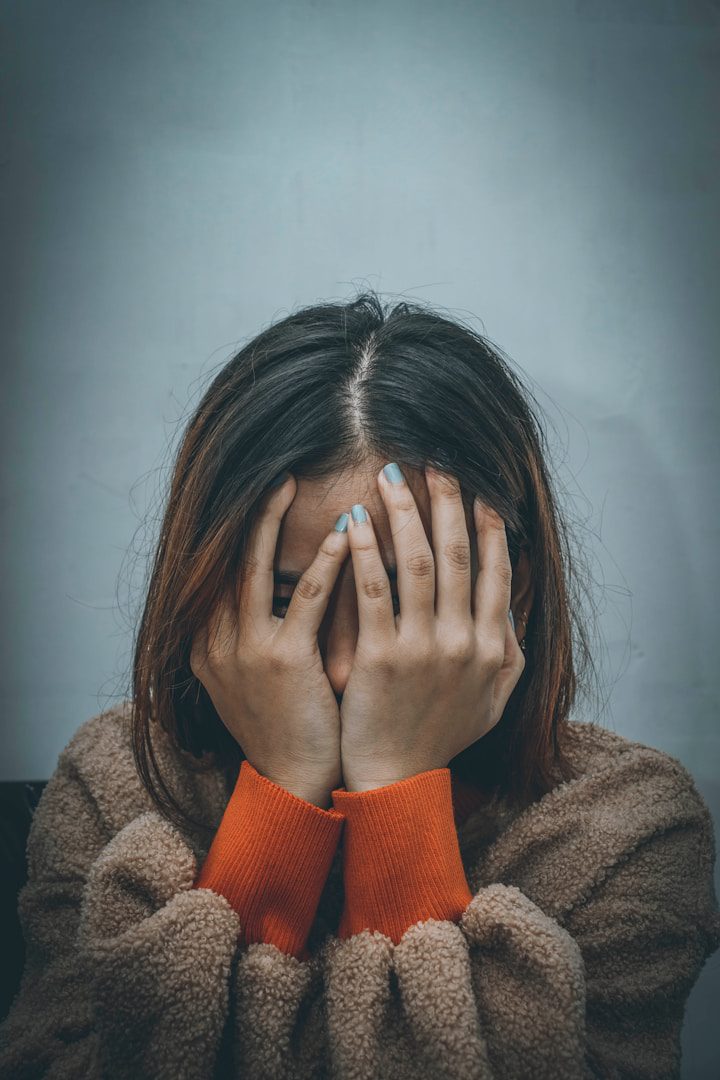 ━━ Women suffer from anxiety disorders more often because of biological predispositions, but also for social and cultural reasons.
( Source: Dev Asangbam / Unsplash+ )
A global analysis from 2023 reported that women had 4,862 cases of anxiety disorders per 100,000 people, while men had 2,933 cases per 100,000 people. This translates into a ratio of approximately 1.66:1. These statistics confirm that gender inequality in anxiety is not the exception but the rule.
The social and cultural burden on women
In addition to biological aspects, it is important to consider how social and cultural factors influence the higher prevalence of anxiety in women. For example, women often face a double (or even triple) burden: professional roles, caring for the home or children, and social expectations.
The Anxiety & Depression Association of America reports that women are twice as likely to have anxiety disorders as early as puberty and up to around age 50. Later in life, the situation evens out, with roughly equal numbers of cases between men and women at older ages.



 L. Novak



 O. Müller

 A. Urban