


Twice a year, our time changes. Once the hand moves forward an hour, then back an hour. Personally, I hardly notice it. I don’t have any problems with sleeping, and the clocks (except the kitchen ones) actually set themselves nowadays. For many people, however, this is a long-standing issue. In Poland they have now decided not to switch to standard time anymore.
Finally, a consensus
Politicians and the public in Poland have agreed that they would like to keep only daylight saving time. Until now, the end of the obligation to turn the clocks has been blocked by the European Parliament. Individual member states could not agree on whether they wanted to stay on summer or winter time.
Meanwhile, the debate on seasonal time changes has been going on in the EU since September 2018, when the European Commission presented a proposal for a directive, saying it wanted to end semi-annual time changes in all EU countries. However, the time changes are still in force today. They have not been abolished.
The benefits of daylight saving time for Poles
If we were looking at tourism in Poland, then it would certainly be attractive if the sun set longer. People would stay out longer in cities like Krakow or Gdańsk. Restaurants, festivals and other events would attract more foreign visitors.
However, other areas would also benefit. For example, it would be very beneficial for agriculture if people could work longer without artificial light. It is clear that initially there might be a problem with having to adapt to international air links, but the logistics would certainly be worked out over time.
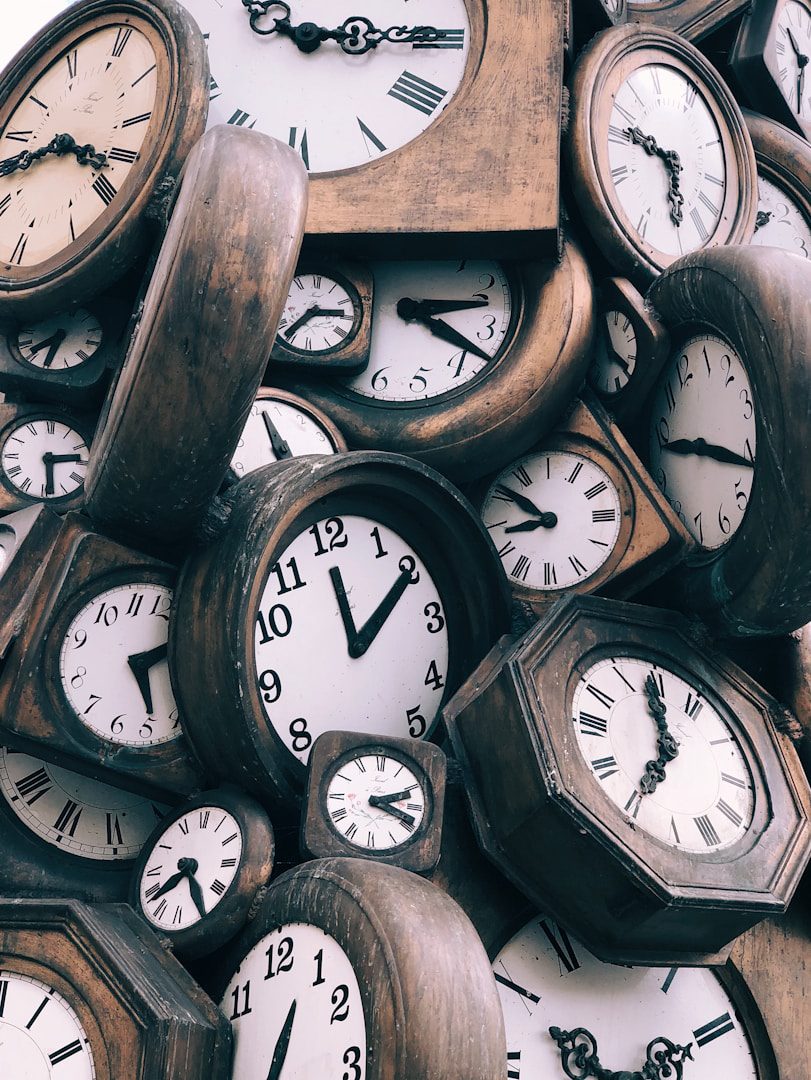 ━━
( Source: Jon Tyson / Unsplash+ )
A solution for all
In the end, it was decided that by this year at the latest, each Member State must declare whether it wants to remain on summer or winter time. A transition period should then be put in place. This should give everyone the opportunity to prepare for the technological changes.
The population does not want daylight saving time
The issue was discussed in public and 4.6 million Europeans took part in the debate. A full 84% of them wanted daylight saving time to be abolished. The Poles also agreed. Analyses are currently underway to help make a decision by the end of 2026. It is therefore quite possible that not only in Poland the clocks will be turned for the last time at the end of March.
People don’t believe it
Although many people wish that one time would remain and that clocks would never have to be turned back, many people do not believe that this will be the case. A discussion on Reddit shows that people no longer believe the news of the change. “Every year I see a post like this. Wake me up when it happens,” one user wrote.
Moreover, users in the discussion can’t agree on which time should stay then. “I want to be on daylight saving time forever, I don’t want to leave work four months of the year after dark anymore,” wrote one discussant. But some disagree and would keep daylight saving time. So it seems that whatever the Union decides, there will always be someone who disagrees. Eventually, however, everyone will get used to it.


 Šárka Cvrkalová




 O. Müller

 A. Urban