

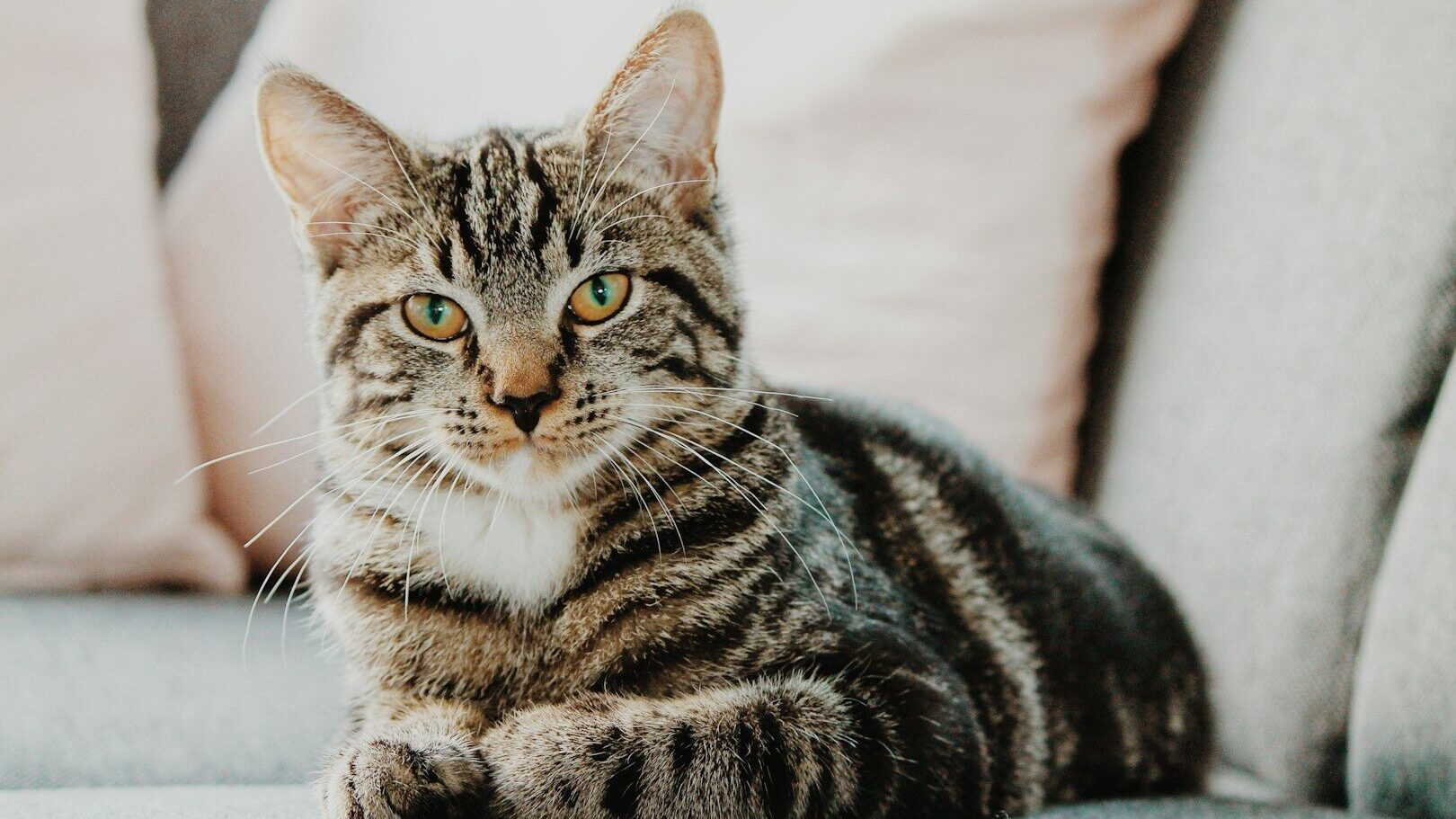
I have two cats at home. They are both pets that will bed me down almost immediately when I lie down on the couch. Their snuggling, purring and rubbing their heads against my face is usually very pleasant, but only until they start drooling. And that’s where it always ends. After a few minutes of cuddling, I always get a shower I didn’t ask for. My friends tell me it’s cute. They’re drooling with bliss. Well, I’d say it’s cute for everyone around. Why is this happening?
When it first happened, I was worried that one of my cats had a health problem. Only it turns out that both cats do it, and basically only the moment I lay down on the couch with them and start petting them. Several of my friends have confided in me that they do the same with their cats. I was surprised, perhaps because the outdoor cats we had at my parents’ house never did this. But the cats in the apartment do it a lot.
Why do cats drool with bliss?
It’s not a disorder, in some individuals it’s a normal physiological reaction that occurs in conjunction with purring and relaxation. When a cat is calm, content and in close contact with humans, its salivary glands may produce more saliva than it can swallow. This reflex is often explained by the memory of nursing from an early age. Light salivation during spinning or contact with the owner is therefore common in healthy cats.
Cats living in an apartment spend more time in close contact with humans and have less opportunity for physical activity, exploration and hunting. Such cats often seek more cuddles and interaction with their owners as their main source of stimulation and social satisfaction, and therefore salivate more frequently. This explains why the cats that ran around my family’s garden didn’t drool when petted, while my cats in the apartment drool too much.
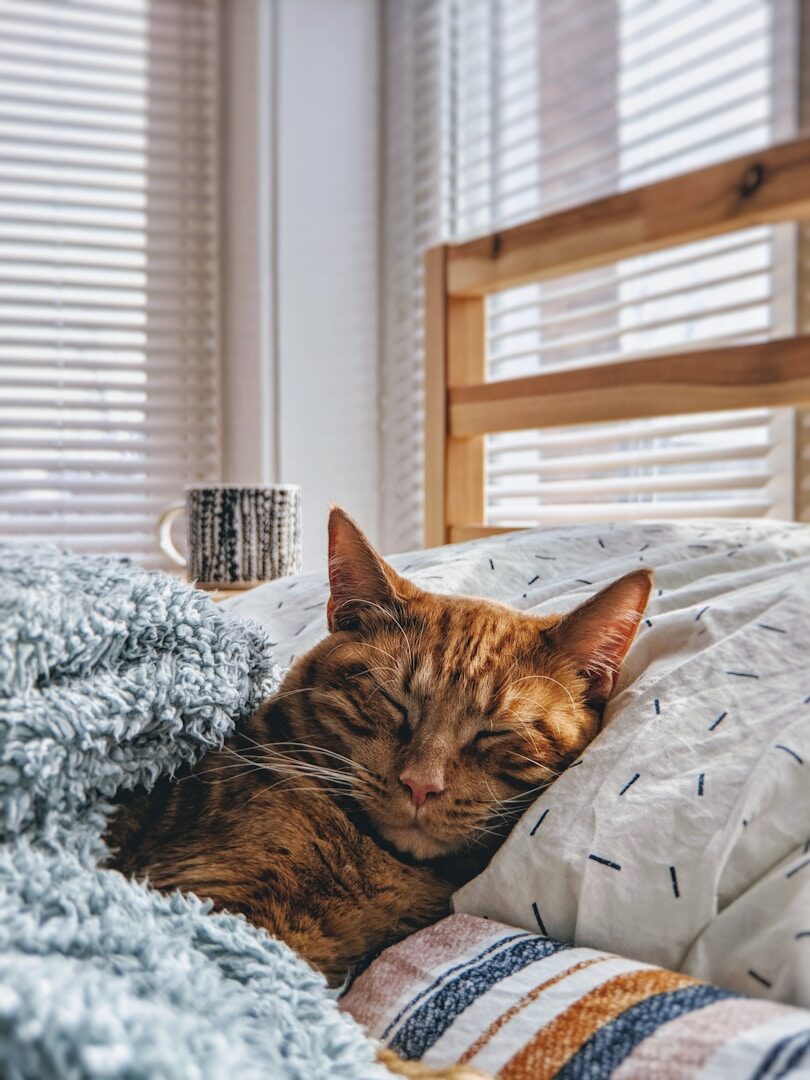 ━━ Sometimes excessive salivation in cats means contentment. But when to be careful and visit the vet instead?
( Source: PhilCreates / Unsplash+ )
When is drooling no longer normal?
Of course, sometimes I feel like my cats drool too much. I have panicked several times and have not been far from finding a doctor. But how is one supposed to tell the difference? When does drooling in a cat really indicate a serious health problem?
Excessive drooling is considered drooling that is persistent, pronounced, occurs without apparent stimulus or suddenly in a cat that has not drooled before, according to PetMD. Immediate veterinary attention should be sought if the drooling is sudden and severe, the cat has an open mouth, shortness of breath, convulsions, marked lethargy or if you suspect ingestion of a toxic substance.
“Common causes of drooling include stress, nausea, dental disease, toxins, medications and heat stroke,” says veterinarian Jamie Lovejoy. He adds that in some cases, the problems will go away on their own, but if you’re just a little worried about your pet, it’s always best to have him checked out and be sure you haven’t underestimated anything.



 L. Novak



 O. Müller

 A. Urban