

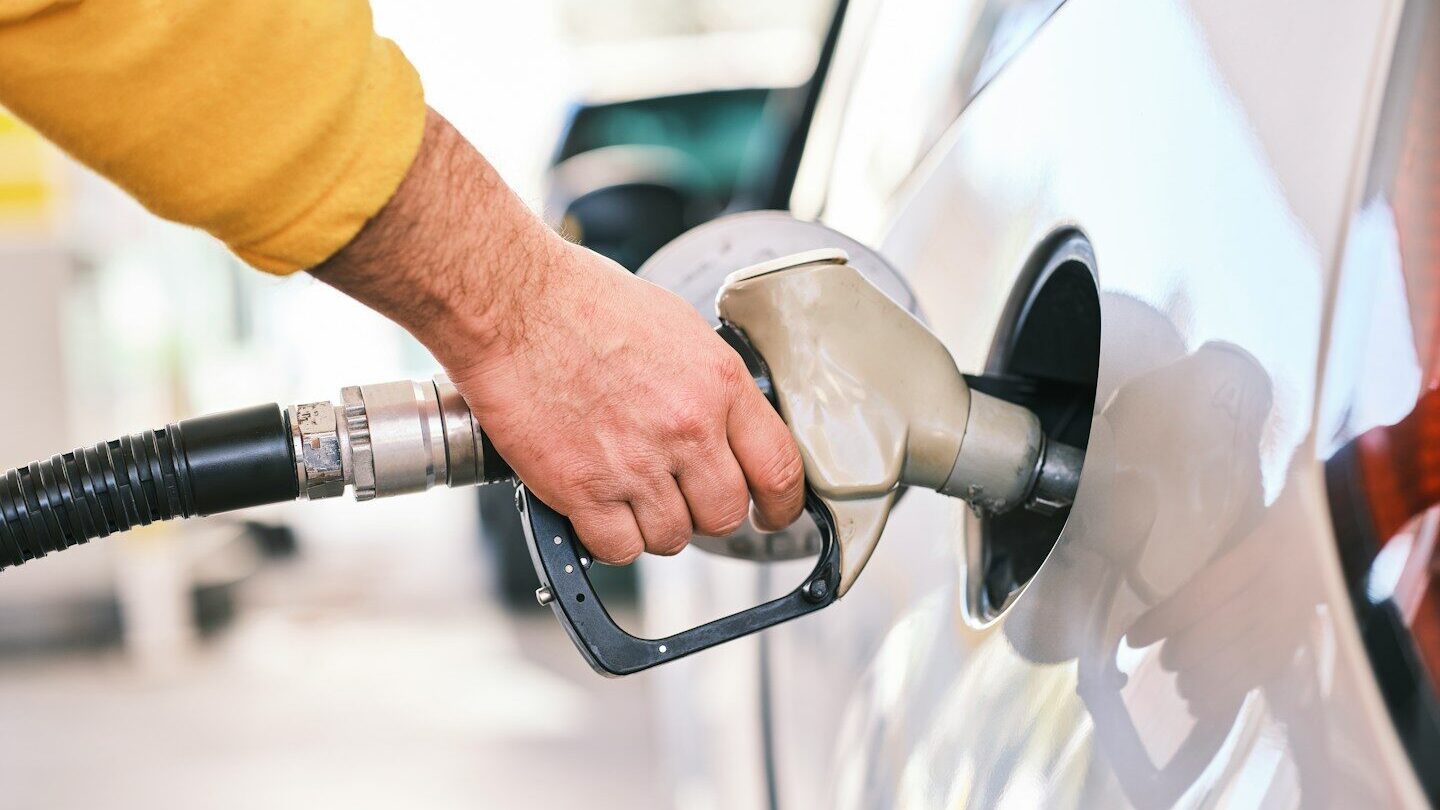
I don’t drive very often, usually more as a passenger. I pay attention to fuel labels at gas stations and I know that I and most of my friends fill up with E10 gasoline. But sometimes there are also E5 markings. Now, in addition , there is a new fuel called E20, which will only be suitable for certain vehicles. What exactly does the designation mean and who will be able to fill up with the new fuel?
After a discussion with a friend of mine, I gained a little confidence. Apart from the fact that he fills up with E10, he didn’t really know much more about the subject than I did. He couldn’t explain to me exactly what the designation meant, or why the fuels were divided by number. It’s quite simple, and it’s quite important to know which petrol you can actually fill up with and which is not recommended.
How do the fuel labels work?
The letter E in the fuel label refers to bioethanol. This is ethanol made from plants, usually corn, sugar beet or wheat. The number after it is a percentage indicating how much of the substance is in the fuel.
- E5 – petrol that contains no more than 5% bioethanol
- E10 – petrol containing no more than 10% bioethanol.
Most modern cars from about 2010 onwards are compatible with fuel labelled E10 and can use it without any problems. For older cars, this could be a complication because ethanol can react with some gaskets, hoses or metal parts in the fuel system. That’s why you still see E5 labeled fuel racks at gas stations today, but not as many of them.
Now there is also the new E20 fuel, which logically means a maximum of 20% bioethanol content. If, as a driver, one is confused as to what the label means when arriving at a petrol station, that’s actually a good thing. It will make him look into whether he can pump fuel instead of mindlessly ruining his car.
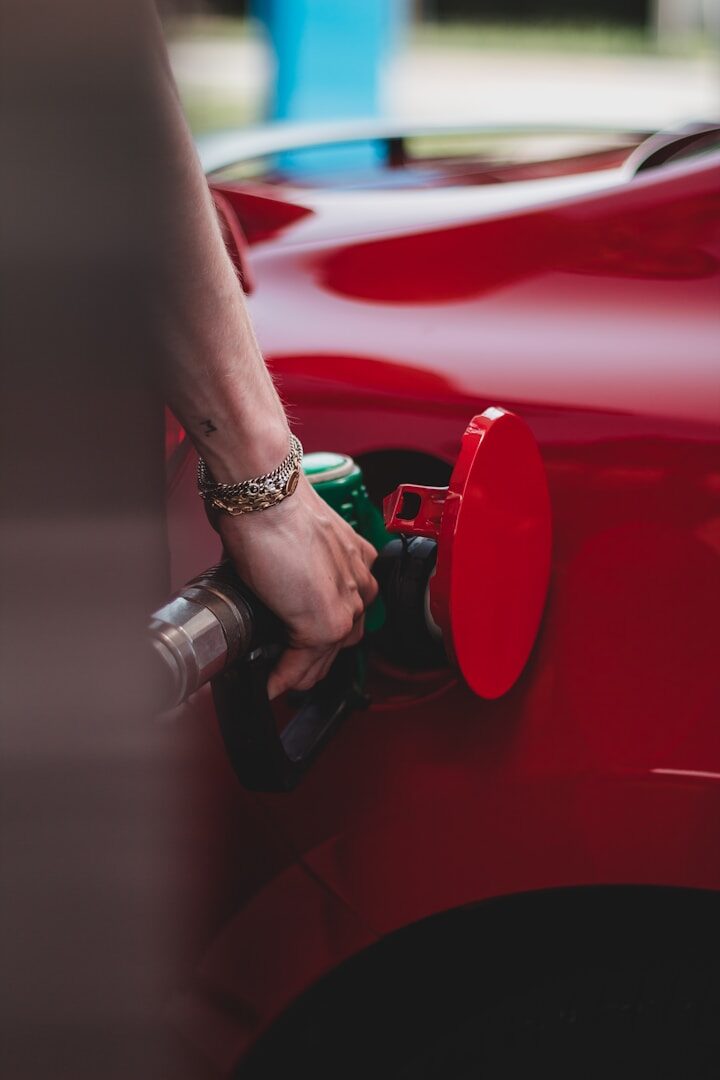 ━━ The new E20 fuel is taboo for some car models. Why? So who can fill up and who can't?
( Source: Wassim Chouak / Unsplash+ )
Who is allowed to pump fuel and who is not?
Most cars can handle E20 fuel. Almost all VW, Audi, Skoda, Seat and Cupra cars from 2016 onwards are compatible. Still, drivers of many cars need to be careful. Two-litre turbocharged engines with over 300bhp are not compatible. The higher ethanol content can cause technical damage. So if you’re not sure what to fill up with, you should always choose a safe and familiar option.
“Blending ethanol with other substances is a proven technology in fuels worldwide. It improves octane rating, promotes cleaner combustion,” explains renowned sustainable fuels and mobility expert I. V. Rao. The higher ethanol content of the fuel means that the engine’s carbon dioxide emissions go down because part of the fuel is not from fossil sources. E20 supports agricultural production and uses raw materials such as sugar beet, corn or wheat.
In addition, some countries offer E20 as a cheaper fuel because it is more environmentally friendly and often subsidised. At the moment, it is the newest type of fuel that most modern cars can use, but car owners still need to keep an eye on the situation to ensure that they don’t damage their car for environmental and economic reasons. The European standard is still E10, but this is likely to change within a few years.



 L. Novak



 O. Müller

 A. Urban