

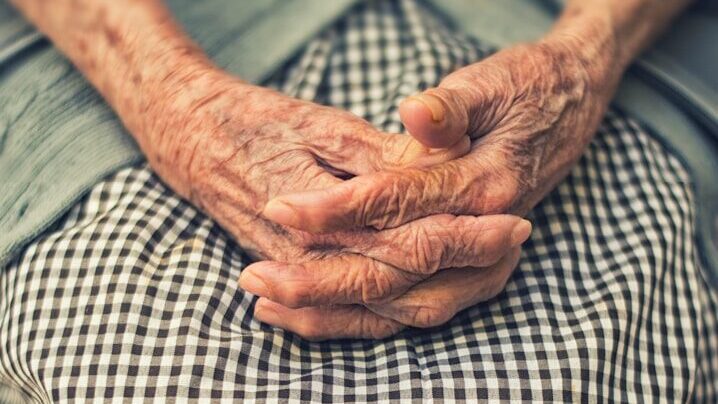
When my great-grandmother died at the age of 86, people said she lived to a blessed age. And I agree. She was very ill in the last years of her life and it was actually a deliverance for her when it was all over. Many people are worse off at a younger age. On the other hand, there are people who live to be 100. People who are still playing sports at 90 and are completely healthy. So what is the difference between normal old people and those who live to this extremely old age?
There are not many people who live to 100. But they do exist. In Europe, the average age that people live to is 80.2 years. So the 86 years that my grandmother lived to was really a lot. But what makes people exceptionally long-lived? Researchers from the University of Geneva and the University of Lausanne have been looking at molecular features in the blood of very old people. And the results of their research show interesting and fascinating findings.
Their cells resemble those of young people
According to the latest demographic estimates based on data from the United Nations and other statistics, there will be about 700,000 people aged 100 and over in 2024-2025. While that seems like a relatively large number, if you translate it globally, it’s not much. So it’s no wonder that scientists are wondering why some people are lucky enough to live to such a high age, while we normally die about 20 years earlier.
Experts examined blood samples from 39 centenarians (100 to 105 years old). They compared these with samples from 59 octogenarians and 40 significantly younger adults aged 30 to 60. Comparisons were then made for 724 different proteins in the blood serum. Of these, 37 of the centenarians showed a profile that was remarkably similar to young people, but had little in common with people between 80 and 100 years old. This means, therefore, that some processes slow down in significantly older people.
But the most striking differences were in so-called oxidative stress. This is caused by free radicals, aggressive molecules that damage cells. Centenarians had significantly lower levels of antioxidant proteins than other people. This suggests that centenarians experience far less oxidative stress.
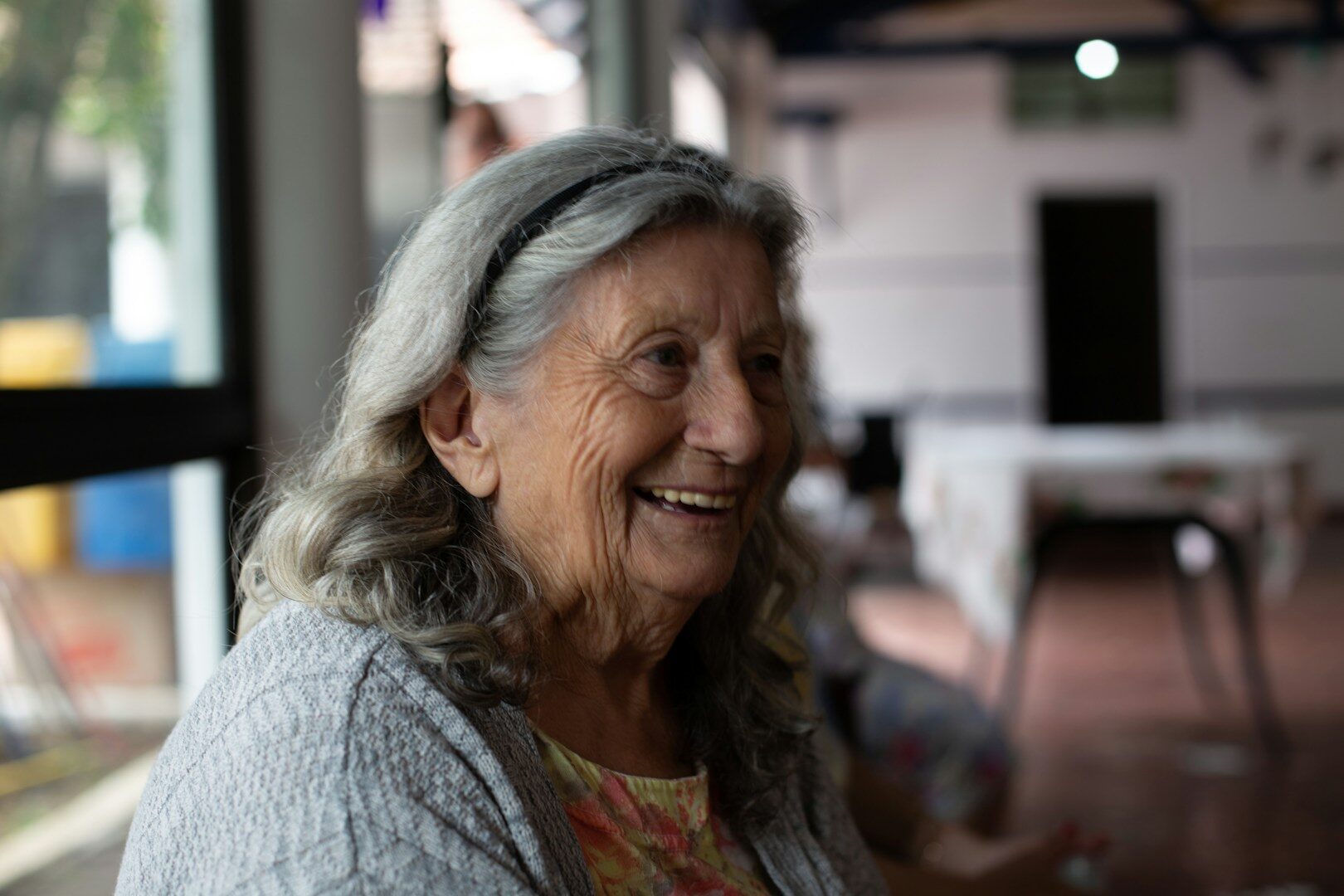 ━━ Some people are still vital at 80, others we say are blessed. What's the difference?
( Source: Tatiana Zanon / Unsplash+ )
Stable metabolism
Many other proteins also resembled younger cells in people over 100 years of age more than in those of people over 80. Some proteins, whose levels increase significantly in many older people and affect fat metabolism, showed significantly lower increases in centenarians. On this basis, the study authors declared that centenarians regulate their metabolism with remarkable precision.
“Certain metabolic pathways and proteomic signatures associated with lipid metabolism and inflammation regulation are preserved in centenarians, reflecting the remarkable precision of metabolic regulation compared to typical aging trajectories,” researcher Flavien Delhaes reported verbatim.
Finally, the experts note that the research also shows that while genes are essential, lifestyle is far more important. Thus, if a person wants to have the highest possible chance of a long and happy life, he should not underestimate a single day of it and always take care of himself to the fullest and with love for his body. And that both physically and mentally.



 L. Novak



 O. Müller

 A. Urban