

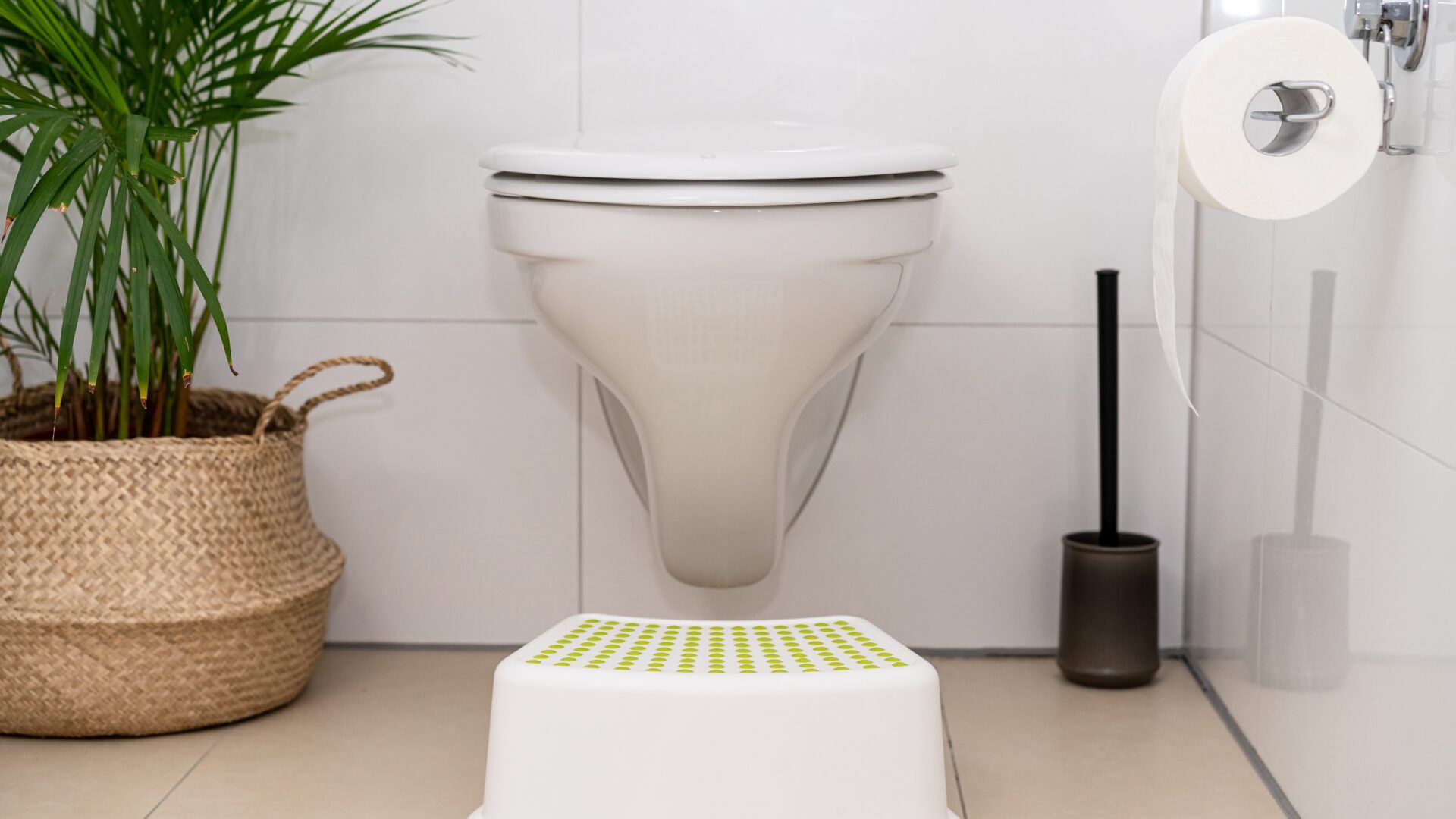
Emptying the bowels is one of the basic physiological needs that we usually do on a daily basis, practically without thinking. Most people don’t realize that the way they sit on the toilet affects their health. Science shows that the position of the body when defecating can have significant impacts not only on the comfort of performing a bowel movement, but also on the efficiency and subsequent health of the bowel.
Modern toilets force us to sit in a position that is not the most natural for our bodies. This can often increase the strain of defecation, increase the time spent on the toilet and contribute to problems such as constipation or haemorrhoids. Fortunately, a simple aid can change the position to mimic a more natural squatting position and improve emptying. Just put a regular stool under your feet.
Why isn’t traditional sitting ideal for defecation?
Modern Western toilets were created primarily for human comfort, not for optimal physiology. When sitting on a standard toilet, the rectum is at an angle of approximately 90°, which keeps the so-called anorectal angle bent and reduces the ability of the trunk to effectively and completely empty the intestinal contents. Radiological studies have shown that this position does not lead to a complete opening of the rectum, which may increase pressure and require more pushing.
For example, a study from Japan examining different defecation positions found that in the standard sitting position, the average defecation time was about 130 seconds, while in the squatting position it was reduced to about 50 seconds. In addition, participants rated defecation as easier and less strenuous. This means that a conventional toilet may not be ideal for either gut health or user comfort. Yet it is now the standard in the Western world.
How the stool underfoot changes body position and why it helps
An underfoot stool or other similar aids raise the legs so that the knees get higher than the hips. This position mimics the natural squatting position and leads to a more direct anorectal angle, which allows stool to pass more easily. This effect works because:
- The muscle that normally closes the anus during sitting relaxes.
- You allow a larger and straighter passage for the stool, so pressure and strain is reduced.
As a result, people often report faster emptying, less pushing and a better feeling of complete emptying when using a stool. Studies have even shown that 71% of people using stools on the toilet reported faster bowel movements and 90% reported less need to push.
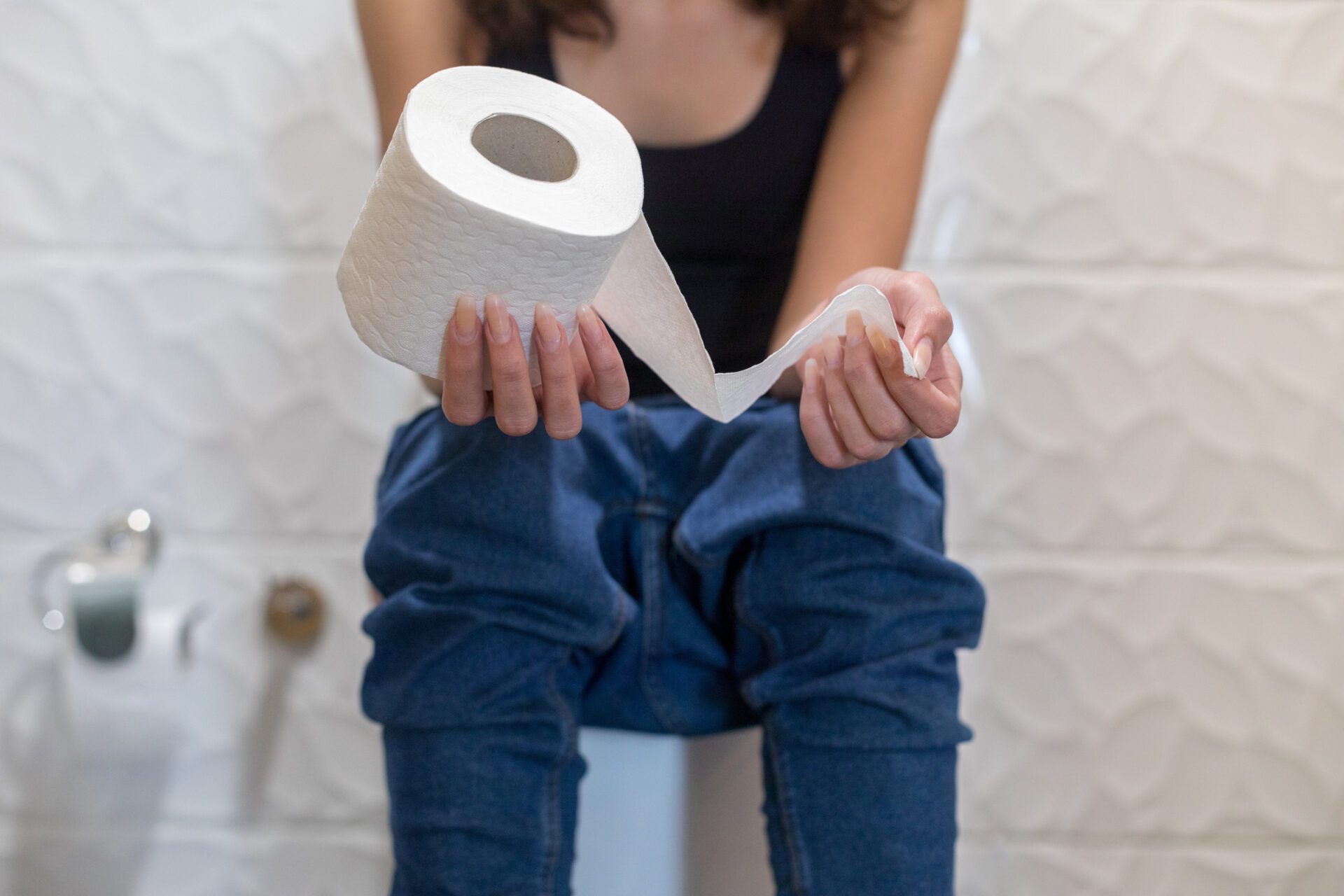 ━━ If you go big, you need to think about the fact that the position in which you sit has a big impact not only on the comfort of your defecation.
( Source: bymuratdeniz / iStockphoto )
Benefits for health and everyday comfort
Using an underfoot stool doesn’t just have to be about speeding up the defecation process. This adjustment in position can have wider health benefits, especially if a person has any digestive problems.
- Reduce constipation and haemorrhoids: less pushing means less pressure on the veins in the rectal area, which can reduce the risk of haemorrhoids, which are caused by prolonged pushing.
- More efficient defecation: some sources report that squatting cuts defecation time almost in half compared to sitting, because the path of stool through the body is more direct and energy efficient.
- Prevention of pelvic floor strain: For people with a weakened pelvic floor, pushing less can also be beneficial for preventing incontinence or other long-term complications.
In addition, the stool is a simple and inexpensive accessory that usually costs only tens to hundreds of crowns. In addition, it does not require any complicated installations or toilet modifications.



 L. Novak



 O. Müller

 A. Urban