


Some drinks are drunk from a glass, others from a cup. And there’s simply no train going through it. I pour my milk into a glass, but I’d rather have my cocoa out of a mug. I drink tea from a ceramic mug and water from a glass. A friend had me and a few other people over to his house recently. And since I didn’t have a glass left, I got lemonade in a mug. I have to say that Black Peter kind of fell on me because everyone else rejected that option. And after the first sip, I understood why.
I know the taste of cola by heart. It tastes great out of the bottle, and it tastes great out of the glass. At first, I accused my friend of having a dirty cup, and that’s why the drink has a strange aftertaste. But I knew that wasn’t the case. When he started to argue that it wasn’t true, I explained that it was a joke. But why does a drink taste different from a glass and a mug?
The brain tastes with the eyes
Psychologists call it multisensory perception. Taste isn’t just the work of the tongue. The brain combines information from the eyes, nose, touch and expectation. There’s a study that actually proves that people taste the exact same drink differently from each container. During it, participants tasted a drink served in different types of containers: an aluminum can, a plastic cup, a glass jar, and a glass bottle. And the result even had an impact on how much people would be willing to pay for the drink.
In another experiment, participants rated lemonade from a luxury glass as “richer and fresher,” even though it was the exact same drink in a plastic cup. The fact of the apparent change in taste is confirmed by psychologist Charles Spence. He says that while we associate sodas more often with a glass, we usually drink hot drinks from a mug, so then coffee in glass simply seems unconventional and strange.
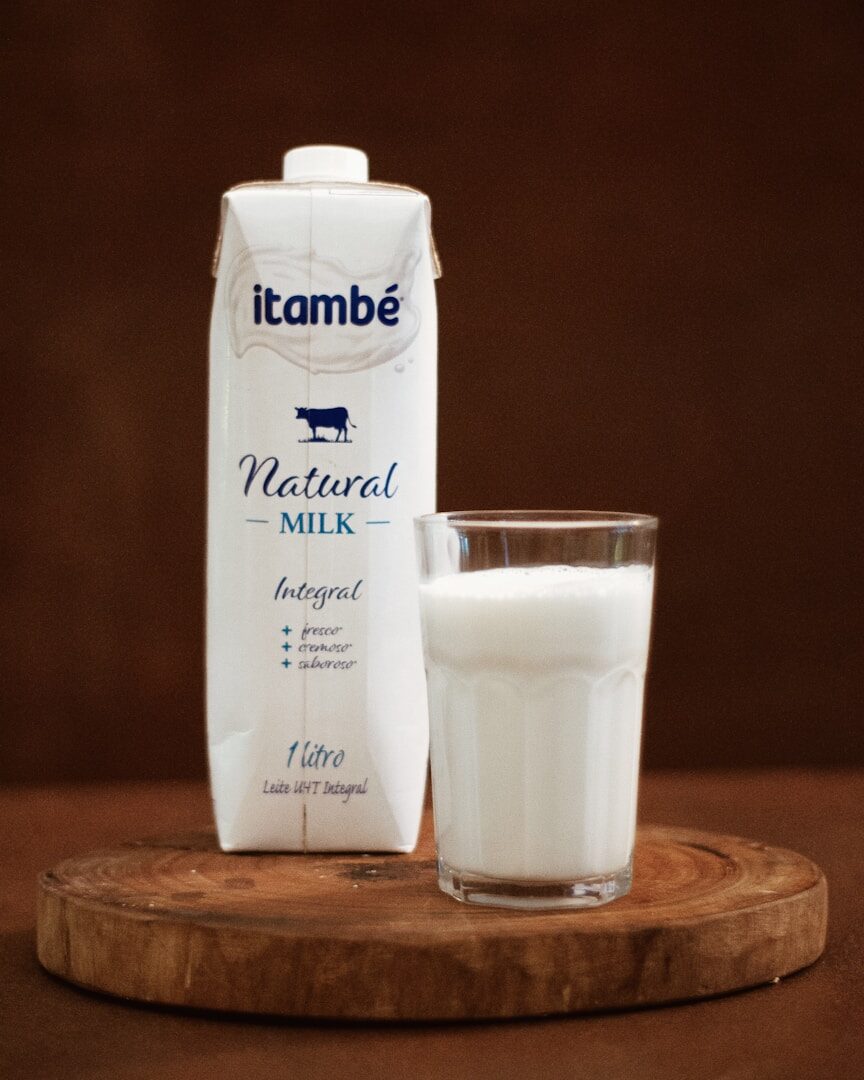 ━━ Do you also have the feeling that when you put milk in a ceramic mug, it suddenly tastes completely different from the same drink served in a glass?
( Source: Gabi Miranda / Unsplash+ )
The taste also changes the shape of the container
We are less often aware of this fact, but it is true that if I put my tea in a taller and narrower mug, it will actually taste a little different than the same drink from a low and wide mug. But in this case, it’s a logical explanation rather than a psychological one: the shape of the rim and the width of the container affect how the drink hits the tongue, or how much aroma gets into our nose.
Some research shows that round or wider containers can accentuate sweetness, while other shapes emphasize bitterness and flavor prominence. This is also why each type of coffee is often served in a different cup, and professional tea shops would never serve two completely different teas in the same container. Next time you want to confuse your friends, you can try serving the drink in an unconventional way. You’ll see that they’ll react very funny to lemonade in a mug.



 L. Novak



 O. Müller

 A. Urban