


Water. The thing we absolutely need to live. But its resources are not infinite. Unfortunately, some of us still don’t realise this and waste it. Water waste is also caused by poor and outdated infrastructure. Fortunately, there are those among us who think about the use of every drop. Would you believe that wastewater can have its uses?
It can heat and cool
Today, we already know that wastewater flushed down the drain can sustainably cool or heat buildings. In fact, it is a much underestimated and untapped energy source. Wastewater has a stable temperature of around 21 degrees. For example, the planners of a large-scale event centre in Denver used all the findings. The construction site had unsightly sewage pipes. The pipes could not be buried because the heat had to be released from the wastewater before it could be discharged.
And that’s what the experts took advantage of. The result is a system that can cool or heat the main part of the centre. The heat that is captured from the wastewater covers most of the needs of several parts of the National Western Center. Only when the weather is extremely warm or the temperatures are well below freezing do the cooling towers or boilers need to be connected. For most of the year, however, the building makes do with sewage.
Doesn’t it stink?
You may be thinking that sewage water smells strongly. Have you considered that the smell spreads further? That the building stinks? It doesn’t. The heat transfer systems keep the waste water separate from the other components. And how can this originally smelly water help with heating? It’s by getting it from the toilet or shower into the tank. The heavy solids are separated and the remaining liquid flows through a heat exchanger.
It’s a device that can take heat from one source to another. The heat energy is then transferred to the clean water circuit and this is sent to the heat pump. The moment the heat is removed, the water is returned to the sewer. From there it goes to the water treatment plant. The heat from the wastewater can replace the need for other energy sources. No coal, no electricity or gas. No need for solar power either. Just dirty water.
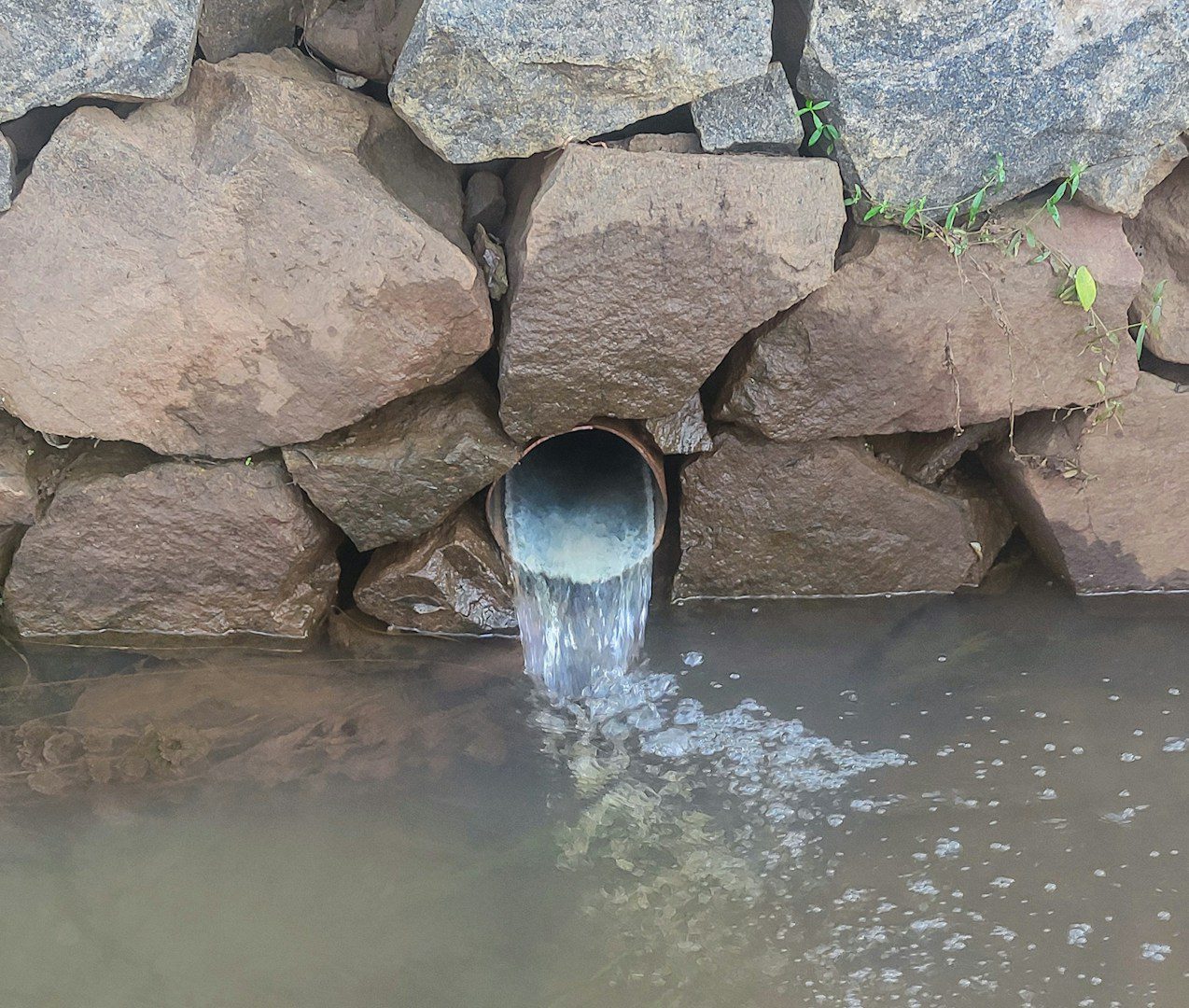 ━━
( Source: Jacob Antony / Unsplash+ )
Where it can work
Systems that use wastewater to heat the building work best in buildings with a centralised water heating system. They are therefore not only suitable for apartments, but also for laundries or factories, for example. They are also ideal for car washes, for example, where there is a large amount of waste water.
It is clear that some companies are welcoming the new system. Epic Cleantec, for example, has installed the system in a high-rise building in San Francisco. According to CEO Aaron Tartakovsky, perceptions are changing and wastewater recovery will become more common in the future. In Vancouver, Canada, a similar system using wastewater helps provide heat as well as hot water to 47 buildings.
Better than sun and wind
You may be thinking, why use wastewater when we have solar power or wind? But both solar and wind energy are dependent on the weather and the time of day. Whereas wastewater is always there. They’re available really all the time. Moreover, the recuperation is solved quite simply and efficiently. Moreover, experts estimate that wastewater use will continue to grow. And not just for heating or cooling buildings.


 Šárka Cvrkalová




 O. Müller

 A. Urban