

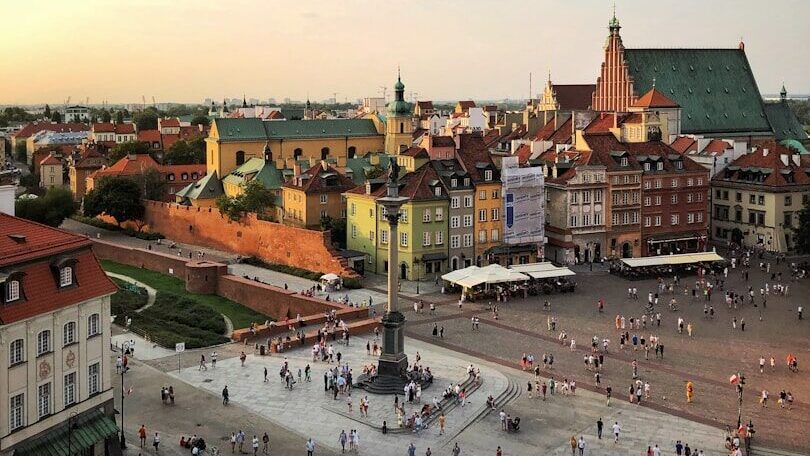
While the Royal Route in Warsaw is a historic route connecting the Royal Castle in the Old Town to the Wilanów Palace in the south, that doesn’t mean it shouldn’t also be a little bit modern. But this is not the only reason why new anti-terrorist barriers are currently being erected in the area.
In my opinion, innovations in the field of security are important and should be the focus of more countries. We are talking about security in two ways: firstly, we need to think about the threats that exist in the world in general, and secondly, we need to think about the safety of people in large cities. When one says ‘anti-terrorist’ barrier, many people immediately think of serious attacks and threats, but in reality these structures can also protect pedestrians from traffic hazards or injuries in large crowds.
Protecting pedestrians from danger
Warsaw sees the installation of new barriers primarily as a protection for pedestrians. This is also the reason why barriers were originally created in the 16th century not only in Poland, but in many other countries, where they were intended to help road safety. However, the historic route in Warsaw is perhaps now too historic, which is authentic, but on the other hand dangerous in its own way. Some modernisation is therefore needed.
Installing the original barriers is complicated and time-consuming. It usually requires the use of heavy machinery, which means that in some cases some areas cannot be secured in time. Warsaw does not want the pedestrian zone to remain unprotected, so barriers are now being created which, although immovable once installed, can be folded and unfolded as required.
“The current barriers cannot always be in place all weekend. For example, sometimes a wider crossing is needed, so they are installed earlier or later, or may not be there at all. At this time, the boardwalk is not secure,” stresses the Municipal Roads Authority.
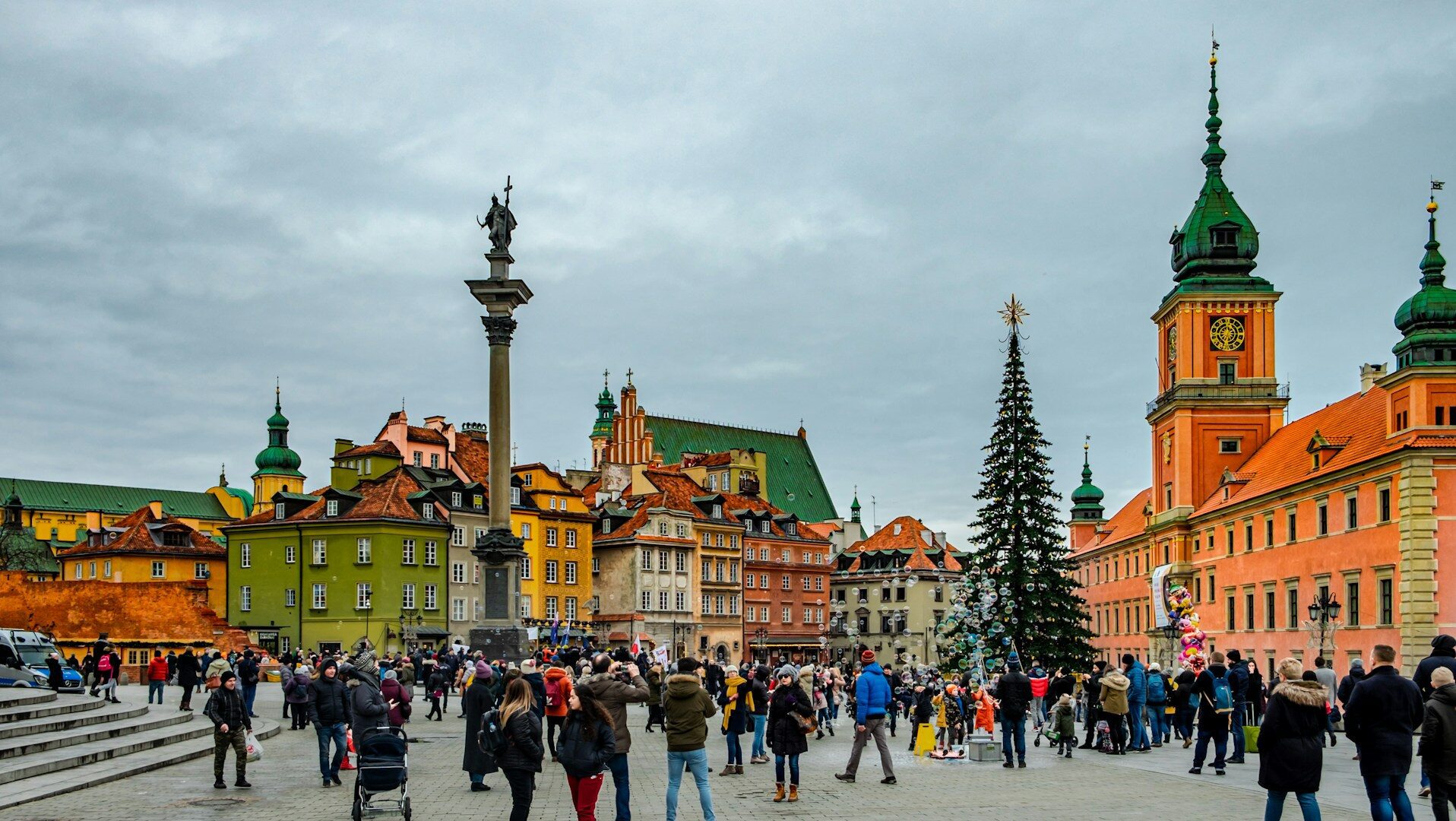 ━━ The aim of the barriers is to improve safety in the city, but also to make life easier for its residents and tourists.
( Source: Elijah G / Unsplash+ )
Important modernisation
The new barriers have been tested in the past, specifically during the Christmas holidays. Improving safety and upgrading barriers is more complicated than it might seem. In addition to the barriers themselves, representatives from all key units need to be trained to operate the barriers if necessary. These include state police officers, firefighters, municipal police officers, emergency medical services and the State Protective Services.
A total of 300 to 400 people will be trained and an additional 800 officers will view an instructional video. This will make it possible in the future to operate the barriers on the Royal Route without the need for heavy equipment. This will make the job easier for many people, the route will become a safe choice for locals and tourists and in the event of any threat the barriers will be ready to serve in full force as a real anti-terrorist barrier.



 L. Novak



 O. Müller

 A. Urban