

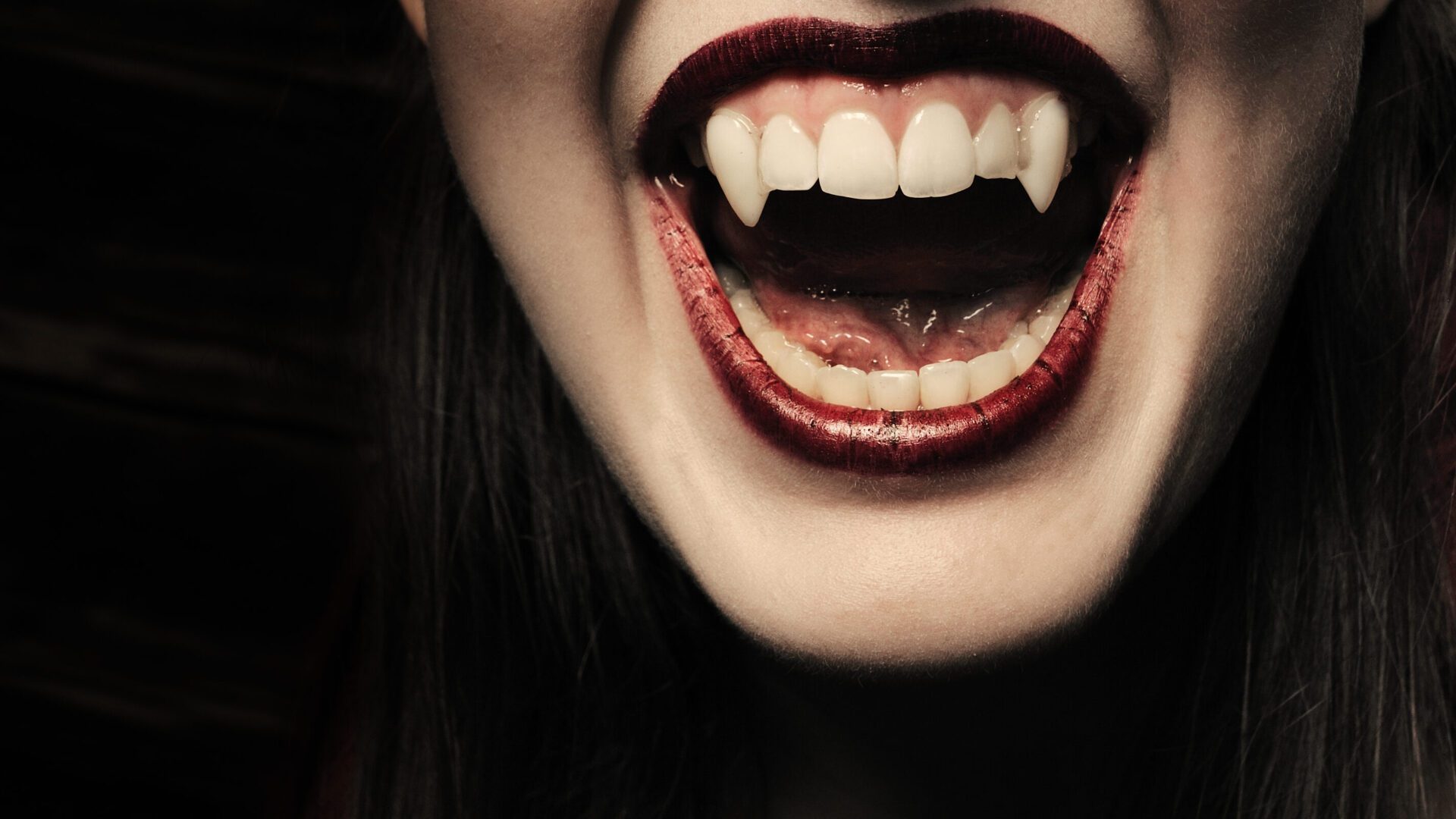
Contemporary culture is full of various supernatural characters, among which vampires and werewolves often play a prominent role. These beings feeding on human blood and transforming into animals attract a great deal of attention and interest as they blur the boundaries of fantasy and reality. But what does history say about them?
Many films and books base stories on mythological figures, including vampires and werewolves. Everyone can think of darkness, screaming, teeth biting into throats and sucking blood, or howling under a full moon. But are these characters really a product of the imagination or can evidence of their existence be found?
Vampires: Refusal of burial and the myth of blood
The myth of vampires has been around for thousands of years. The first mentions of these creatures can be found in ancient Mesopotamia. These were the precursors of the vampires we know today. They had no fangs and did not feed on blood. The clay tablets mention dead souls that were not properly buried, so they feed on the vitality of humans.
Another myth is associated with the Egyptian goddess Sekhmet, who drank blood and killed people. This is probably where the original idea of connecting undead humans with blood came from. Other stories originated in Greece and told of seductive, powerful and bloodthirsty women who lured men and then drank their life essence.
Today’s image of the vampire has its roots in the Middle Ages. During the 11th century, Slavic peoples spoke of terrifying corpses that came to drink human blood. In the following century, references can be found in Russian texts to the stabbing and burning of the body of a man who went hunting at night. From there, the myth of vampires continued to spread and fed other stories of their existence and exploits.
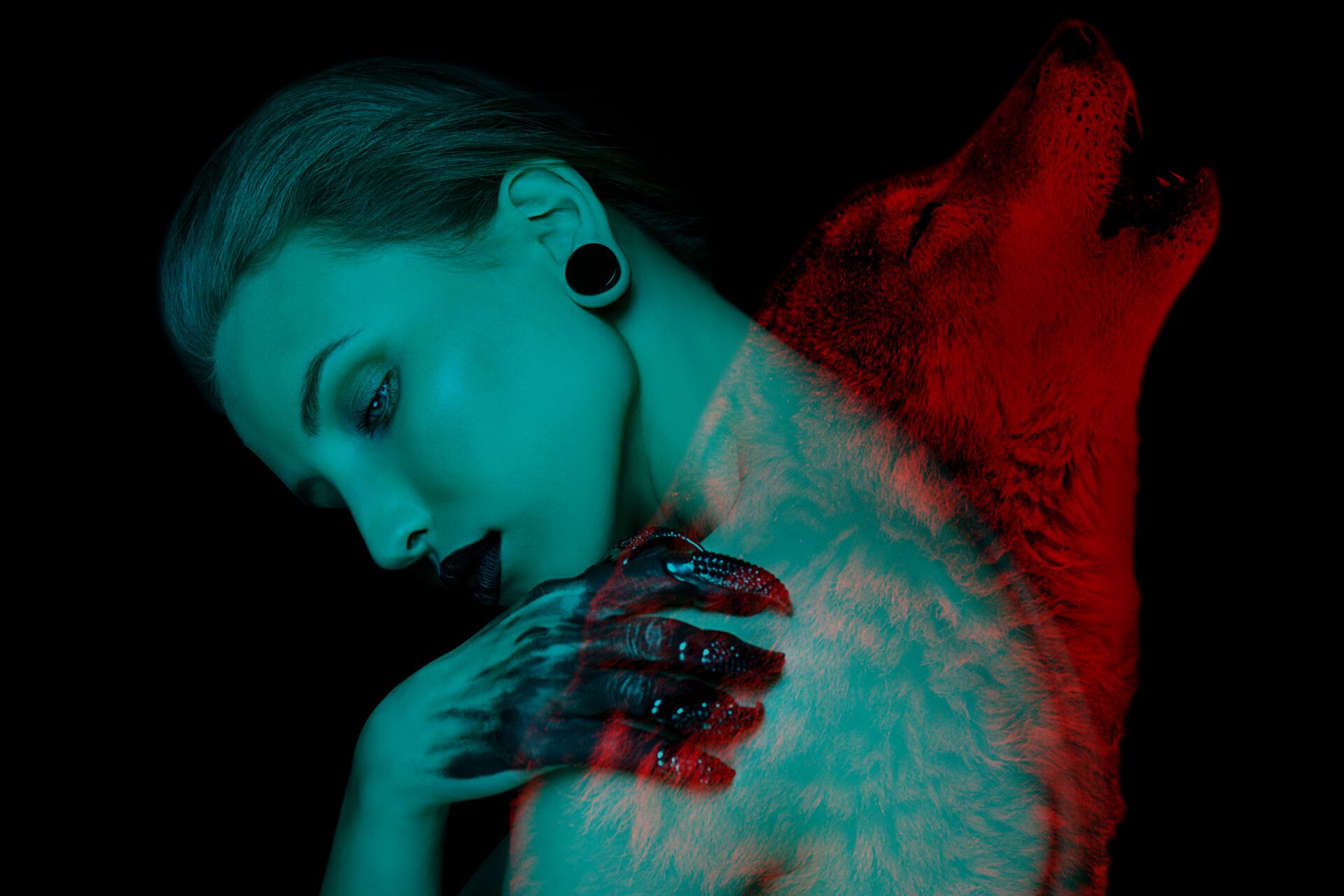 ━━ Indirect references to werewolves can also be found in Greek myths.
( Source: Embrace of Beauty / Shutterstock )
Dracula on the rise
As the centuries passed, hysteria began to rage around vampires. Between 1725 and 1755 , the so-called Great Vampire Epidemic took place, during which vampires became known throughout Europe. People believed that vampires were undead and needed to be disposed of in some way, this included being staked, decapitated, anointed with garlic or burned. They also believed that vampires caused diseases, which were rampant at the time.
The biggest waves of fear and crackdowns on vampires took place mainly in Serbia and Romania. Gradually, medical explanations for vampire acts began to emerge. And then in 1897, Bram Stoker put some magic into vampires with his novel Dracula.
Werewolves: Torn Between Two Worlds
In ancient times, there was talk of characters who were torn between humanity and savagery. The first indirect trace can be found in the Epic of Gilgamesh. There is a moment in which a shepherd is cursed into a wolf.
Various Greek myths also dealt with humans turning into wolves. One of them, in Ovid’s Metamorphoses , tells of the Lycian king Lycaon being turned into a wolf by Zeus. Incidentally, the Greek word lycanthropos gave rise to the name lycanthrope, meaning werewolf. Herodotus later wrote of a Scythian tribe whose members were transformed into wolves.
Norse mythology, in turn, referred to berserkers who presented themselves with superhuman strength and animal fury. They also wore wolf pelts. In the 1st century AD, stories about werewolves were revived by Petronius in his work Satyricon. He wrote about a soldier who turned into a wolf by moonlight and murdered many people before dawn. During the Middle Ages, various stories emerged and lycanthropy was often used as an accusation in witch trials. Then, in the 17th century, a man named Jean Grenier came forward and claimed that he had signed up with the devil and was turning into a wolf and killing children.
Fear of the unknown
People have always had a fear of the unknown, so they interpreted many things they didn’t understand in their own way. So over the centuries they have created these stories, partly based on truth and probably drawn from the human imagination, which was dominated by terror.


 Šárka Cvrkalová

 L. Novak



 O. Müller
