

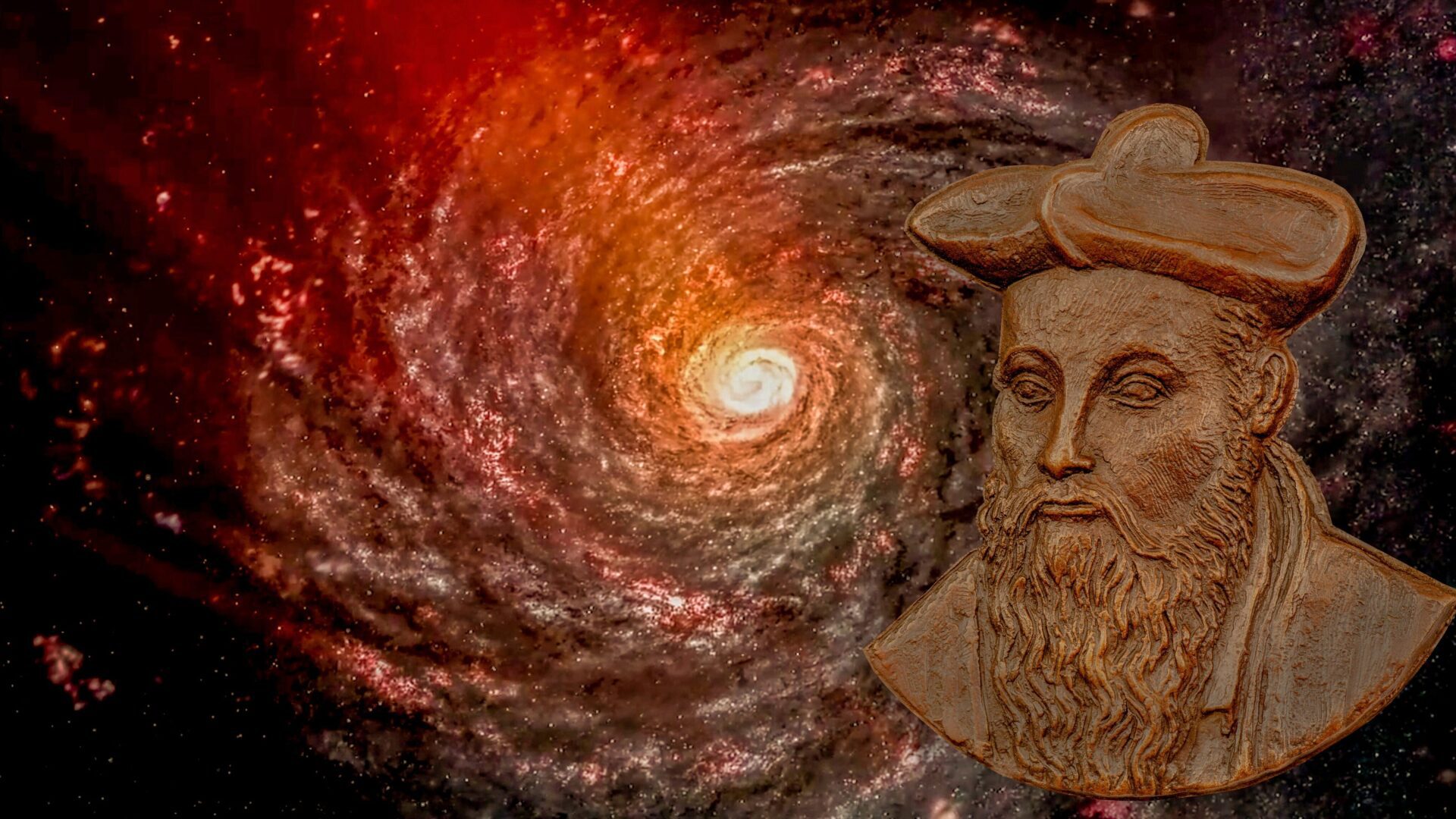
For thousands of years various prophecies have been told about the fate of people, nations and the end of the world. The future is, and always has been, something that fascinates people and arouses their attention. Indeed, throughout history you will find many soothsayers, prophets and seers whose predictions have endured to this day. But what if they were not only to predict the future, but could be a warning in our time?
The knowledge of the ancient Maya
Many prophecies have been traditionally told since ancient times. The Mayan civilisation in particular offered a glimpse of the future, which saw its glory between 2000 BC and 1500 AD. For the time, these people possessed an unusually rich knowledge of architecture, mathematics, astrology and timekeeping. In particular, the Mayan calendar, which was always due for renewal after 5 125 years, came into prominence. It was speculated that the Mayans were trying to signal the end of the world. The end of this cycle fell on 21 December 2012.
Sibyl’s Oracles
The Sibyl’s Oracles, which gave interpretations of miracles or natural disasters, have left a significant mark on history. We don’t find just one woman, in ancient times this was the name given to a group of prophetic priestesses. One legend tells of the Sibyl of Cumae, whose predictions were written down in books.
But with the advent of Christianity, they were burned as heretical works. But the oracles never died and were passed on orally. In the Middle Ages, scholars interpreted these predictions and related them to specific events. They were said to be about the fall of Rome: “When the city of the seven hills is consumed by flames, its glory will disappear”. Another referred to the birth of Christ: ‘A star shall shine upon the world, and a just man shall bring forth the light of eternity’.
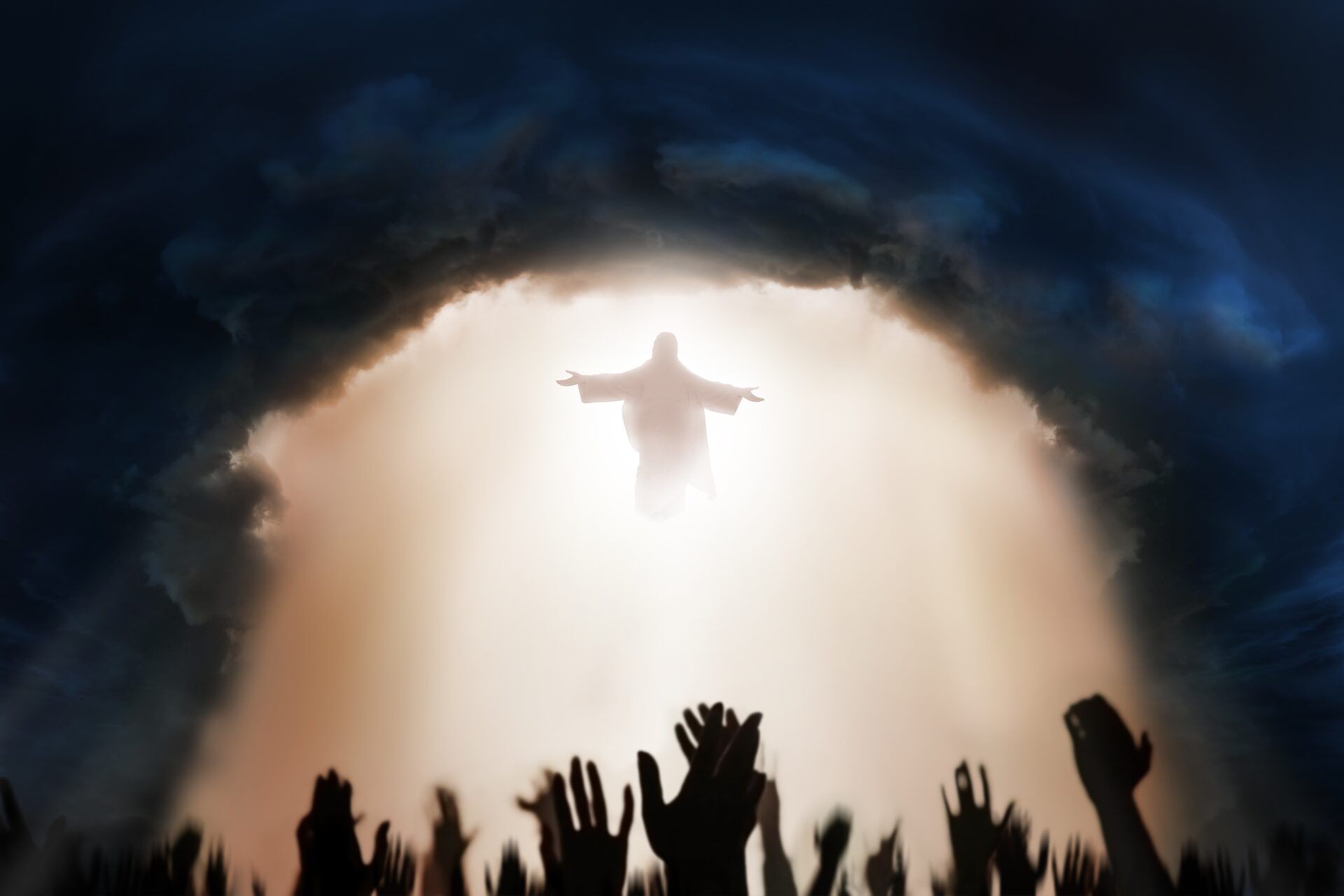 ━━ One of the oracles spoke of the coming of Christ.
( Source: funstarts33 / Shutterstock )
Nostradamus and the written prophecies
One of the most famous clairvoyants and soothsayers was Nostradamus, originally a French apothecary and scholar. He was interested in alchemy, astrology and nature. Many people were sure that he had the ability to really see into the future. In 1555, he wrote a book of prophecies, each consisting of four verses. But he did not make clear predictions, which was their purpose, but rather shrouded them in mystery and ambiguity. Over the passing centuries, they have been interpreted to correspond to world events.
Did he really know how to predict the future, or was he dealing with his own interpretation? It certainly cannot be denied that many of the predictions bore a close resemblance to certain situations. One of the predictions is said to relate to Hitler, for example.
“From the depths of Western Europe
will be born a little child of poor parents,
one who will seduce a large group with his tongue;
his fame will rise towards the empire of the East.”
The future foretold by the saints
Very often the Bible is spoken of as bearing various predictions, according to many. It is found in the book of Revelation, in which there are descriptions of catastrophes. Modern interpretations say that these are references to contemporary global problems. Skeptics, however, point out that wars, disease, natural disasters and death are aspects that can be associated with any era. It depends on one’s point of view.
It is possible to find references to the “mark of the beast,” which many explain as prophecies of controlled trade, digital currency, and other modern conveniences. Whether this is merely symbolism, which everyone interprets in their own way, or actual warnings of the future, one can only surmise.
Summary
The world is full of unexplainable things and events. And this is what fascinates the human race. Ultimately, through prophecy, one can satisfy one’s own thirst for knowledge. Whether these predictions are based on truth or not, people find in them explanations of various moments and assurances of what the future might look like.


 Šárka Cvrkalová

 L. Novak



 O. Müller
