


The state a person is in greatly affects our appetite. Some people avoid eating food under stress, it happens that they have no appetite for anything, if it is a long-term problem, they also lose weight significantly. But in other cases, on the contrary, a person in stressful situations has to eat something and the difficult psychological experiences have a bad effect on their weight. What does science have to say about the whole situation? How and why does our mental health affect our appetite?
In 2024, a study appeared in the journal Physiology & Behavior that examined how stress affects our appetite. Participants, aged between 18 and 35, answered several questions. It was found that those with higher stress rated food cravings differently. They tended to feel less satisfaction from the food, stopping eating earlier.
How stress affects emotional overeating
While some research shows that people under stress have much lower appetite, other studies, on the other hand, claim that stress promotes over-eating. This is particularly evident with foods rich in fat, sugar and salt. In these situations, the hormone cortisol enhances cravings and triggers behaviours leading to rapid psychological relief, explains SCI AM. Unfortunately, this creates a habit that then lasts for a long time.
In addition, chronic stress can negatively affect the gut microbiome. This problem promotes inflammation, which in turn affects mood and behavior, including eating. This creates a kind of cycle that is difficult to break.
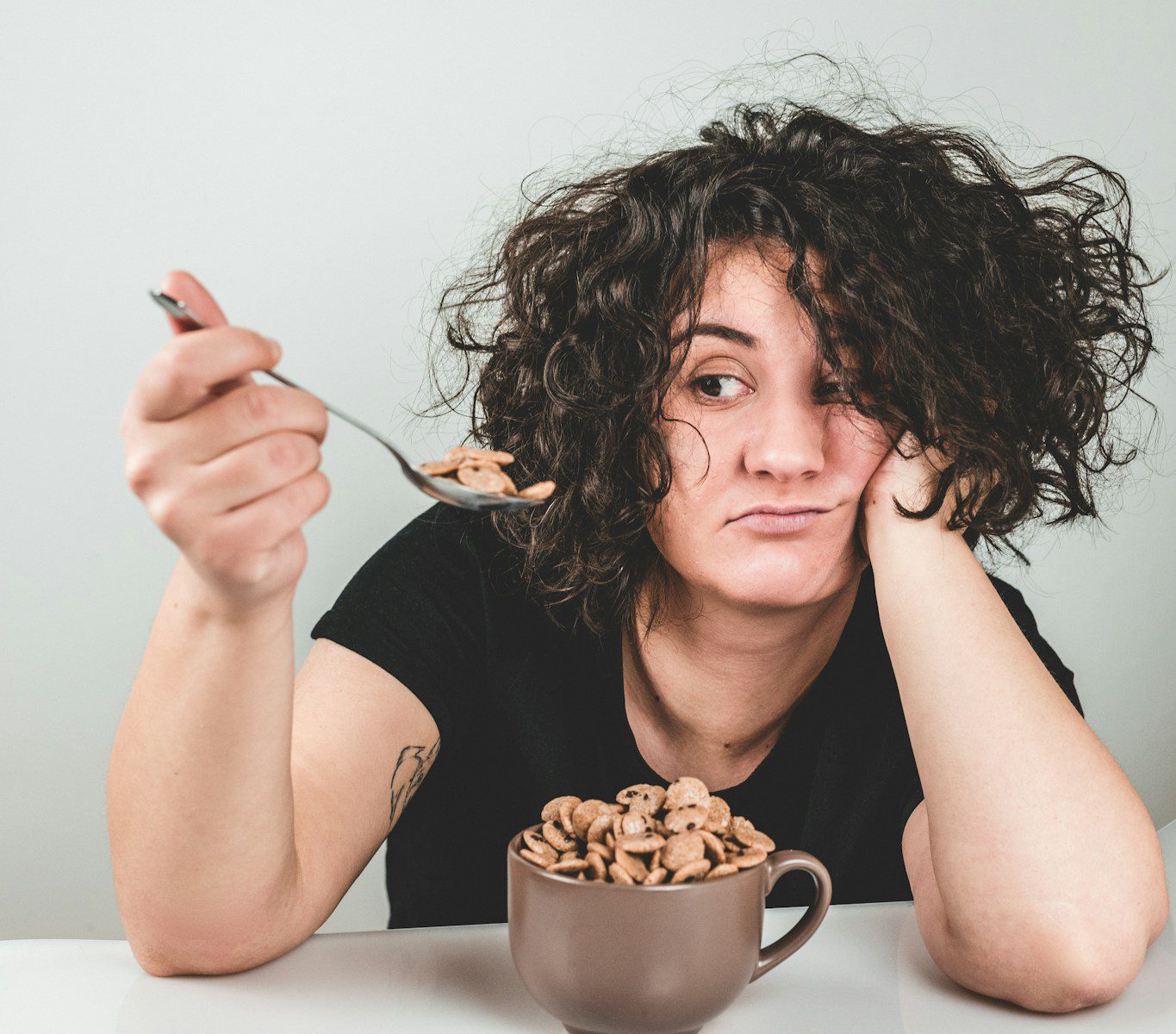 ━━ While in some cases people have a higher appetite when they are stressed, in others, food is something they want to avoid.
( Source: Tamas Pap / Unsplash+ )
Taste or hunger?
People under stress often say they are not hungry. But this is not true. We all get hungry if we don’t eat for a long time. Scientists found years ago that even people with mental health problems eat quite normally, in some cases less than usual, but still enough to satisfy their hunger and not to be bothered by the feeling in the long term. However, their appetite for normal food decreases. At least in the first few days.
If the stress is prolonged, the appetite will come back, but unfortunately not the one we need. While normal foods are avoided, we are unable to cook and consume our lunches and dinners, we overeat sugary or unhealthy fast food during the day. However, it is important to remember that this only increases our stress.
If one runs into such problems, they need to be addressed. Consult a professional, either for mental health or even diet. It is necessary to remember that a healthy diet supplemented with exercise can give the body energy not only physically but also mentally. Otherwise, it is very difficult to get out of complications and in serious cases they can end up in eating disorders.



 L. Novak



 O. Müller

 A. Urban