

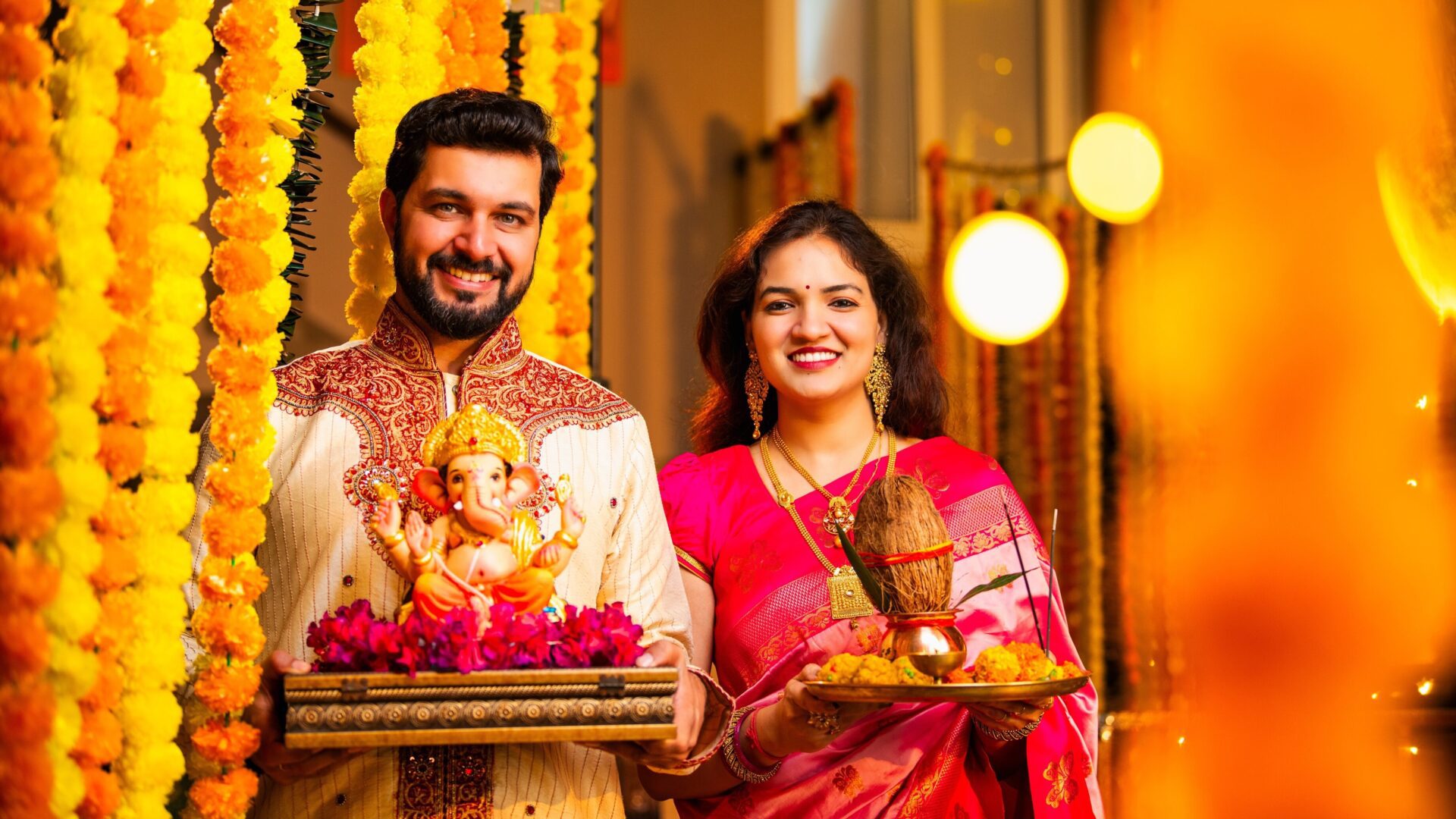
Countries in Asia have always been based on certain traditions, often based on religion. People used to live by them and follow them. Modern times, however, do not so much favour these aspects, and the younger generation is abandoning what once defined their nation. They are looking for new ways of life and are gradually pushing aside and forgetting the values they have held for centuries.
The family as the basic unit of society
Asian nations were strongly based on family ties. Indeed, the family was the basic unit and included many members, as it was quite common for several generations to live under one roof. This coexistence included many traditions which were naturally observed by all.
However, this way of life is gradually diminishing, even though the family is still a fundamental pillar. Large households are no longer so common. The younger generation is gradually distancing themselves and preferring to live in private. This, however, leads to a weakening of family identity, as cohesion is eroded. They also often see family traditions as a burden they do not want to bear.
Religion as cultural glue
Historically, faith has always been something that has united. For people living in Asian countries, religions such as Buddhism, Hinduism, Islam, Taoism and others have influenced their entire lives. They were united by various religious festivals, common prayers and observance of customs.
Religion still guides the lives of these people today, but not as strongly as before. Young people prefer their own perception of the world and do not want to be bound by traditions that can bind them quite a lot. However, some representatives of the faith are moving with the times, presenting themselves on social media and adopting more modern approaches, which can attract young people. Indeed, young adults often find their own modern version of the faith.
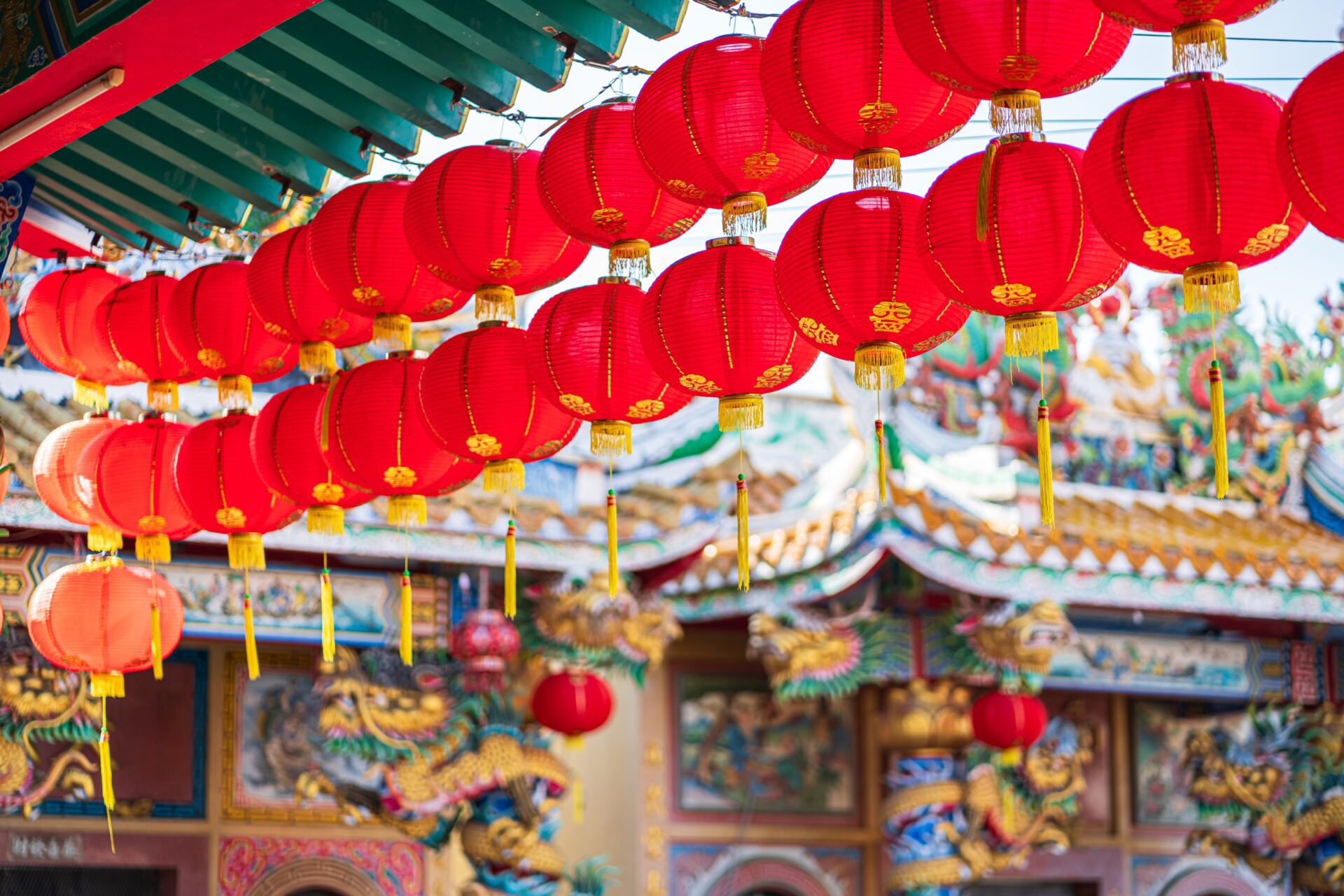 ━━ Chinese New Year captures local traditions, but has become more of a commercial attraction.
( Source: Thinnapob Proongsak / Shutterstock )
Cultural heritage and crafts
Every country has had many craftsmen whose work has a centuries-old tradition. These crafts have been the source of their livelihood, but they have also become a national symbol. China is famous for silk production, India for jewellery making, Vietnam for weaving and Japan for ceramics.
But today, young people prefer more modern fields to handicrafts, attracted especially by IT and other professions that are financially profitable and physically demanding. As a result, the country is facing a severe shortage of apprentices.
Common rituals and festivals
Celebrations and various religious festivals have always promoted community cohesion. They speak of historical tradition and the values on which a country is based. Whether it was the Chinese New Year, the Indian festival of Diwali, the Vietnamese festival of Tet, which celebrated the Lunar New Year, or the Korean harvest festival called Chuseok.
These festivals still have a strong presence, but have become a global attraction. Commercialism has thus replaced the true meaning, and the original meaning has been lost. Moreover, many local young people travel abroad for these festivals and distance themselves from them.
Respect for nature
Nature has always been important. People have followed its cycles and agriculture has brought them a livelihood. But unspoilt nature is giving way to urbanism. Areas are being developed and what defined the land is gradually disappearing. Many young people do not realise how important nature was to their ancestors and that it needs to be preserved. Nor are they often inclined to farm.
Countries are actively trying to make nature sustainable, and while the younger generation is often interested in ecology, they do not understand the respect that was part of the mindset of previous generations. There is also the problem that young people lack the necessary traditional knowledge and opt for modern methods that are influenced by city life.
Moving into a new era
Asia used to be held together by tradition. However, this bond is gradually being weakened. Many customs and values persist, but most of the time they change into a different form and the true essence is lost in modernisation. However, it is essential to preserve this cultural richness as it shapes the very essence of Asian nations. However, it always depends on the individual. Many young people are aware of their heritage, but there is a growing trend of neglecting their roots.


 Šárka Cvrkalová

 L. Novak



 O. Müller
