

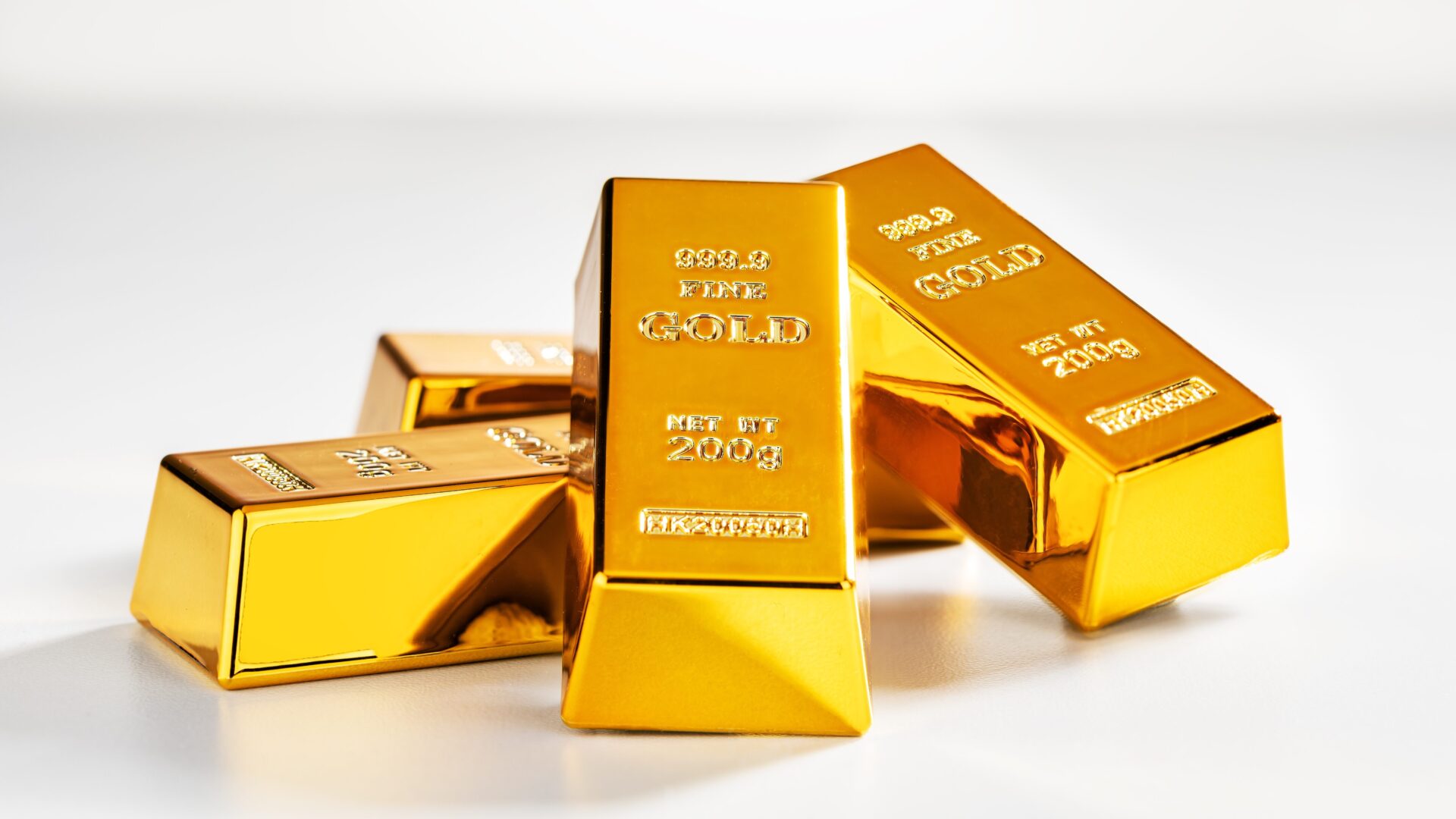
If I had the funds to invest, I would invest in gold. Gold retains value and its price has been rising recently. So are house prices, electronics and food. But gold is a worthwhile investment. It never occurred to me that there might be gold hiding in my house that I didn’t know about. You probably have it in your house, too.
A well-hidden treasure
It’s not my grandmother’s gold rings or the earrings I got for my first birthday. The gold is hidden in items I would never have said anything about. And you probably have them in your house, too. Well, let’s see. Do you have an old DVD recorder at home for nostalgia’s sake? Do you find old cell phones or laptops in your house? How many other electronics that you no longer use do you have lying around your drawers?
It’s a lot, isn’t it? And you’re probably thinking about taking it all out and putting it in the trash. Then it all ends up in a landfill. It’s better to take the stuff to a place that collects electronics. But have you ever thought that you’re voluntarily giving up a lot of valuable metals along with your electronics? It’s not just gold. There’s a lot more in electronics.
Valuable materials
Electronics are made up of precious metals. They perform technical functions. Would you believe that just 20 circuit boards contain about 450 milligrams of high-carat gold? There’s plenty of copper in cables and silver in electrical contact points. In capacitors you find palladium and in some components there is platinum.
 ━━
( Source: Domenico Loia / Unsplash+ )
Innovative methods
Scientists from Switzerland and Australia have been researching how to extract high-purity gold from ordinary electrical waste. Not only could this change the way industries approach electrical waste in the future, but it is also about protecting the environment. The new approach has only positives. Unlike the old one.
Chemicals used to be used to extract these metals. Toxic chemicals like cyanide. That carried risks to human health and the environment. But new methods don’t involve the use of such substances. A team from ETH Zurich has managed to get pure gold out of electronics without harming the planet or people.
Australian scientists from Flinders University have not been left behind and have replaced cyanide with trichloroisocyanuric acid in the gold extraction process. Although the name of the acid sounds really tricky, it is a fairly widely used water disinfectant. So it’s not dangerous. The methods differ in the use of a sulphur polymer that selectively binds to dissolved gold. In addition, the polymer can be reused once the gold has been released.
What are the advantages?
- Reduced environmental damage.
- Less gold mining.
- More recycling of material.
- Lower carbon footprint.
- More job opportunities.
Why it’s not working yet
Scientists have done their work, of course, but scaling up the process will still take time. An infrastructure capable of handling e-waste in a new way will need to be built. Of course, cooperation between different industries and also governments is expected.


 Šárka Cvrkalová




 O. Müller

 A. Urban