


Nowadays, a large part of the population already tries to sort waste. We usually deal with paper, plastic and mixed waste. But increasingly people are also sorting aluminium waste, i.e. beer, energy drink and soda cans. However, most of us automatically squeeze the cans when disposing of them, thinking that it will save space in the bin or trash can. And that’s not quite right.
It’s whether you squeeze the can that often makes the difference in whether it actually gets recycled or ends up in the trash. Even though the can material (i.e. aluminium) is extremely well recyclable, there is often a risk that the can may not re-enter circulation. And that’s because of this small mistake.
Why is the aluminium can an ideal material for recycling?
Aluminium has the huge advantage that it can be recycled virtually indefinitely, without any significant loss of quality. In addition, recycling the can saves a huge amount of energy compared to producing it from new raw materials, up to around 95% according to experts. Recycling of aluminium cans has recently resulted in the reprocessing of up to 580 000 tonnes of the material in Europe, saving 5.4 million tonnes of CO₂ compared to the production of new aluminium.
This shows that if a can ends up in recycling and actually goes back into circulation, recycling has a real impact. But the statistics reveal big differences. Globally, the recycling rate for aluminium beverage cans is around 75%, which means that a quarter end up somewhere other than a recycling plant. And in some countries the situation is much worse. This means that the potential is great, but it takes the right behaviour from everyone to realise it.
Can deformation hampers recycling
Many modern sorting lines rely on the shape and recognition of the packaging. Automatic machines identify the contours of the cans to separate aluminium from other metals. If a can is flattened or extremely misshapen, it can confuse the sensors and be sent to the wrong pile, i.e. among mixed waste that simply ends up in landfill.
Some recycling guidelines specifically advise that drinks cans should not be squeezed before being thrown away. The can should remain in its original shape to allow it to be returned to circulation. In addition to the shape, it is important to at least rinse the can and get rid of any residual beverage or sticky particles. Even small residues can degrade the recyclable material. If cans are thrown into a pile with other waste, it can even make the whole recycling process difficult or impossible.
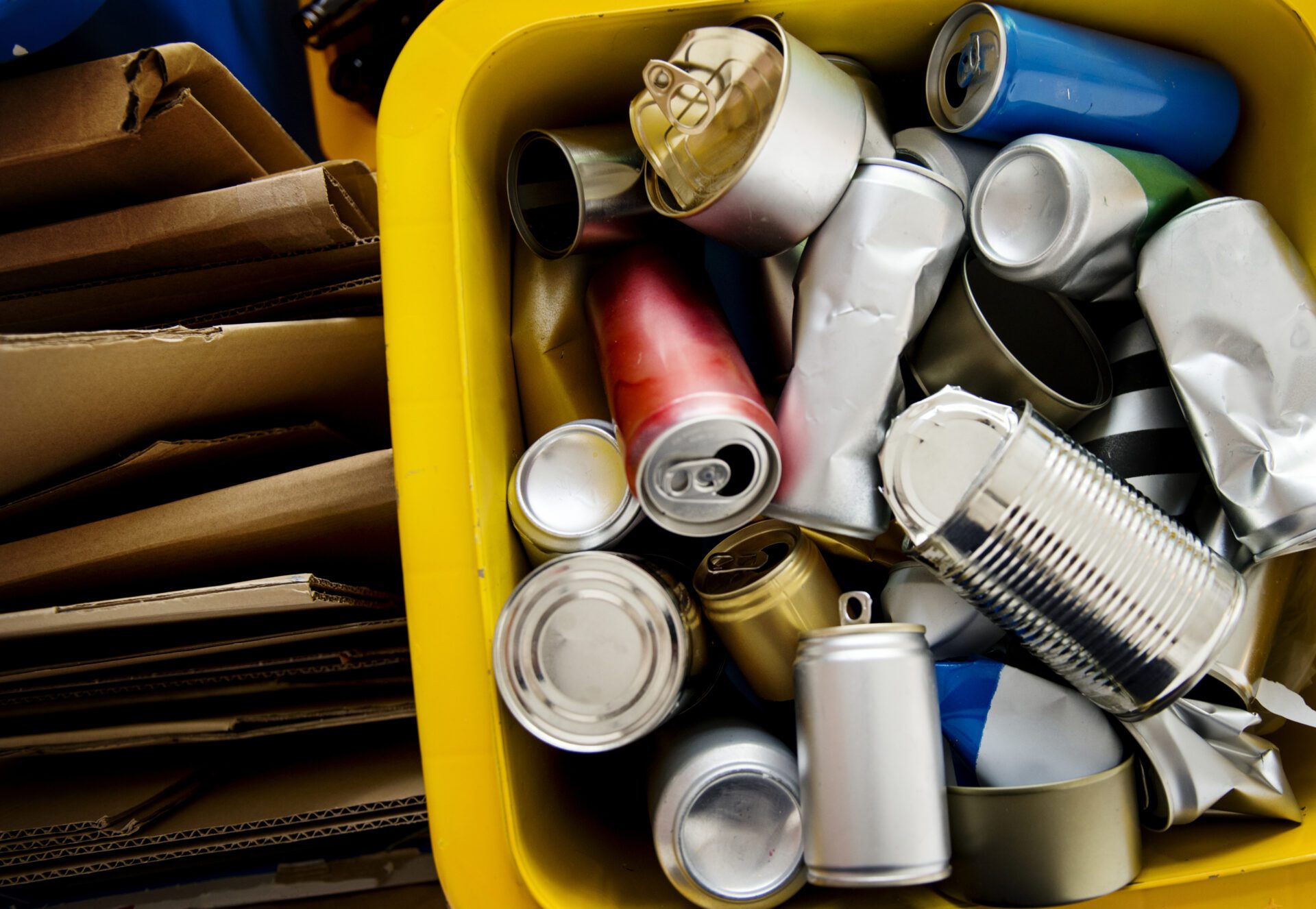 ━━ When you recycle your tin cans, it's not enough just to keep an eye on which bin you throw them in. Can you really sort this waste properly?
( Source: Rawpixel.com / Shutterstock )
How to recycle properly?
Recycling cans is easy and everyone can help. How?
- Don’t crush the can. Keep it in its original shape so that the sorting machines can handle it and the aluminium material ends up where it should.
- Rinse the can. Get rid of any residual liquid or beverage. A dry and clean can has a better chance of being recognized as recyclable material.
- Sort correctly. If you have the option, put cans in a separate container for metals or aluminum; never throw it in with plastic or paper.
Aluminum is one of the best materials when it comes to recycling because it saves energy, raw materials, emissions.But recycling is not automatic just because the can is metal. In order to truly recycle and become a new can, it is essential that we all keep the above mentioned rules in mind.



 L. Novak



 O. Müller

 A. Urban