


Salt is often underestimated in the kitchen. But it is this food that decides whether a dish tastes really perfect or just looks good and tastes mediocre. It’s not just the amount of salt, but the right moment to add it to your food. The timing of salting affects the flavour, texture, aroma and final texture of the dish. A small detail in the use of this essential ingredient can mean the difference between a mediocre dish and a delicious one.
When is it best to salt food? What differences do different dishes make? And what else besides taste can salt affect, and how? One would think that this ingredient has no fundamental rules when used, but this is a mistake. Timing is more important than most people realize.
Salt in long cooking
When cooking dishes that take a long time to prepare, such as soups, stews, sauces or stocks, it is often best to add salt at the beginning or add it continuously. According to an expert article from City Magazine, adding salt at the beginning of a dish that has been cooked for a long time will ensure that it is evenly distributed throughout the dish and that each bite picks up some minerals. This creates a deeper, more complex flavor, not just a surface saltiness.
According to the general gastronomic recommendations for soups and stews, experts say to salt the food gradually, partly at the beginning, partly during cooking and, if necessary, to fine-tune the flavour at the end. This avoids the risk of oversalting and gives a balanced, deep flavour profile. So if you’re making a stew, broth or sauce, it’s advisable to salt from the start, or to add salt at the end.
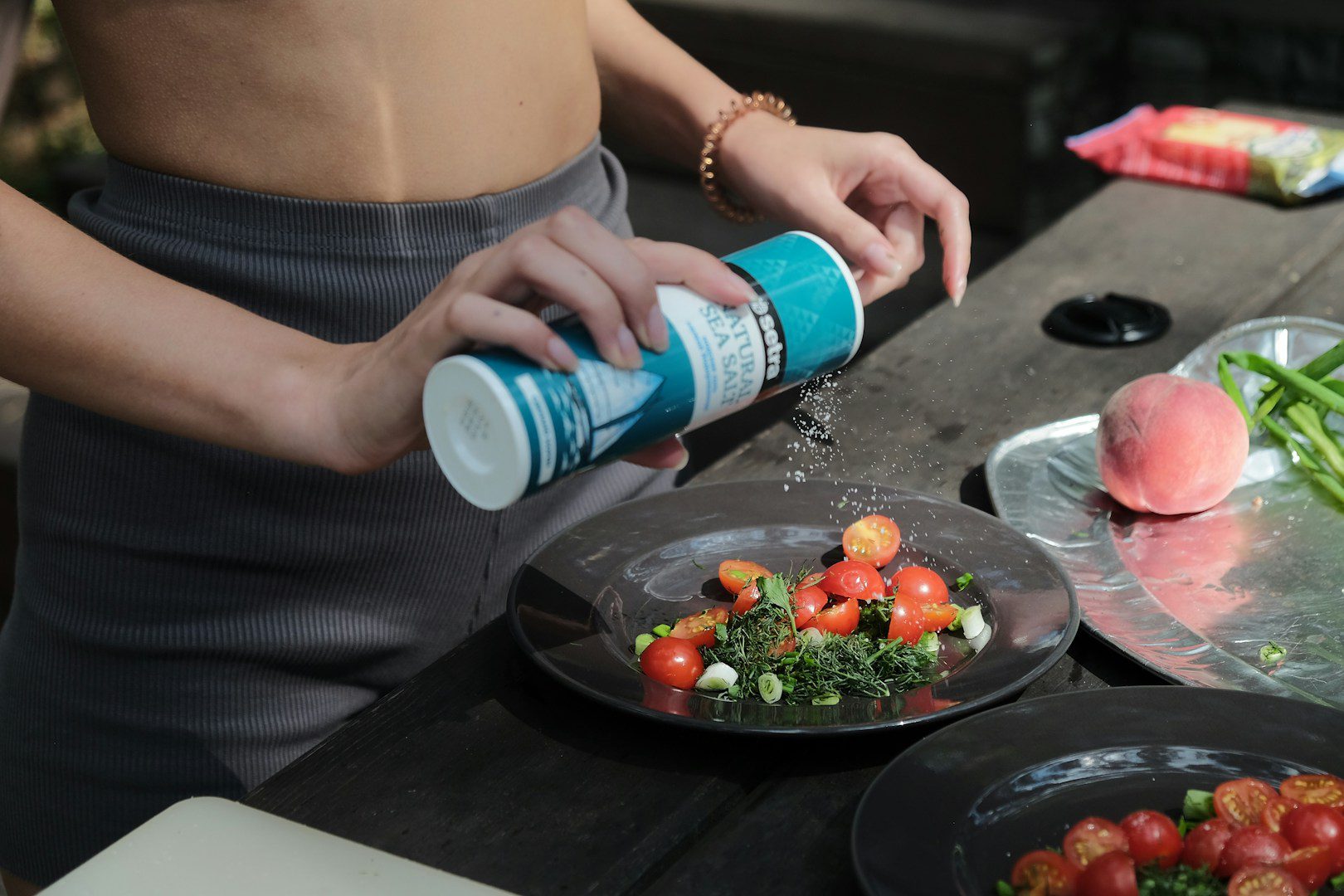 ━━ Many people underestimate salt. But in some cases, its use is necessary.
( Source: Fedor / Unsplash+ )
Salt the meat in advance
Salt has another meaning for meat than just taste. If you salt the meat early, ideally tens of minutes to hours before cooking, the salt has a chance to gradually seep into the muscle, leading to more even flavour and better texture. Additionally, this seasoning affects texture, helping to make the meat juicier, while then keeping the juices inside during cooking.
This method is often called dry brining and is popular with chefs because it provides a deeper, more balanced flavor as well as a better resulting texture in the meat. However, it is important not to overdo it. If the salt is left on too long or the meat is too much, it can start to look more like dried or overcooked meat.
Potatoes, pasta, vegetables
For foods such as potatoes, pasta or rice, salt plays a crucial role already at the cooking stage. For example, if you are cooking pasta, salting the water before you put the pasta in means that the pasta will absorb the salted water into itself, i.e. it will be flavoured from the inside. This means that even if the sauce is not too salty, the pasta itself will not be bland.
As well as flavour, salt also affects the texture of the dish. When pasta is cooked in salted water, starch is released, and salt helps regulate this reaction. The result is a better texture, which makes the dish so called “al dente”, less sticky and more pleasant. Similarly, with potatoes, rice or pulses, it is often ideal to add salt to the water right at the start, as this helps to spread the flavour evenly, not just to the surface.



 L. Novak



 O. Müller

 A. Urban