


Do you normally sleep with wet hair? In that case, it’s time to reflect on this transgression. It can lead to various scalp and skin problems.
Sleeping with wet hair seems harmless. Sometimes you simply don’t want to go through the drying process, or you may have a habit of sleeping with wet hair on a regular basis. However, a lot of experts are increasingly talking about making sure you don’t lie down like this. You can open the door to skin problems.
Affecting scalp health
During sleep, a moist environment is created that can help bacteria proliferate on the scalp. It promotes the growth of Malassezia yeasts, which cause dandruff and dermatitis. It also leads to inflammation of the hair follicles, which encourages the formation of pimples or rashes.
“Prolonged humidity and insufficient airflow can disrupt the scalp microbiome. This can lead to irritation, flaking and a higher risk of seborrheic dermatitis, which is a common source of dandruff,” explained Dr Sanjeev Gulati.
Likewise, hair can become weak and the scalp becomes more sensitive. This is because you toss and turn while you sleep, which causes the hair fibre to break. Experts advise that if you sleep with wet hair, at least avoid tangles or dreadlocks, and rather sleep with your hair down. Wet hair is fragile and if it stretches beyond the 30% length limit, damage occurs.
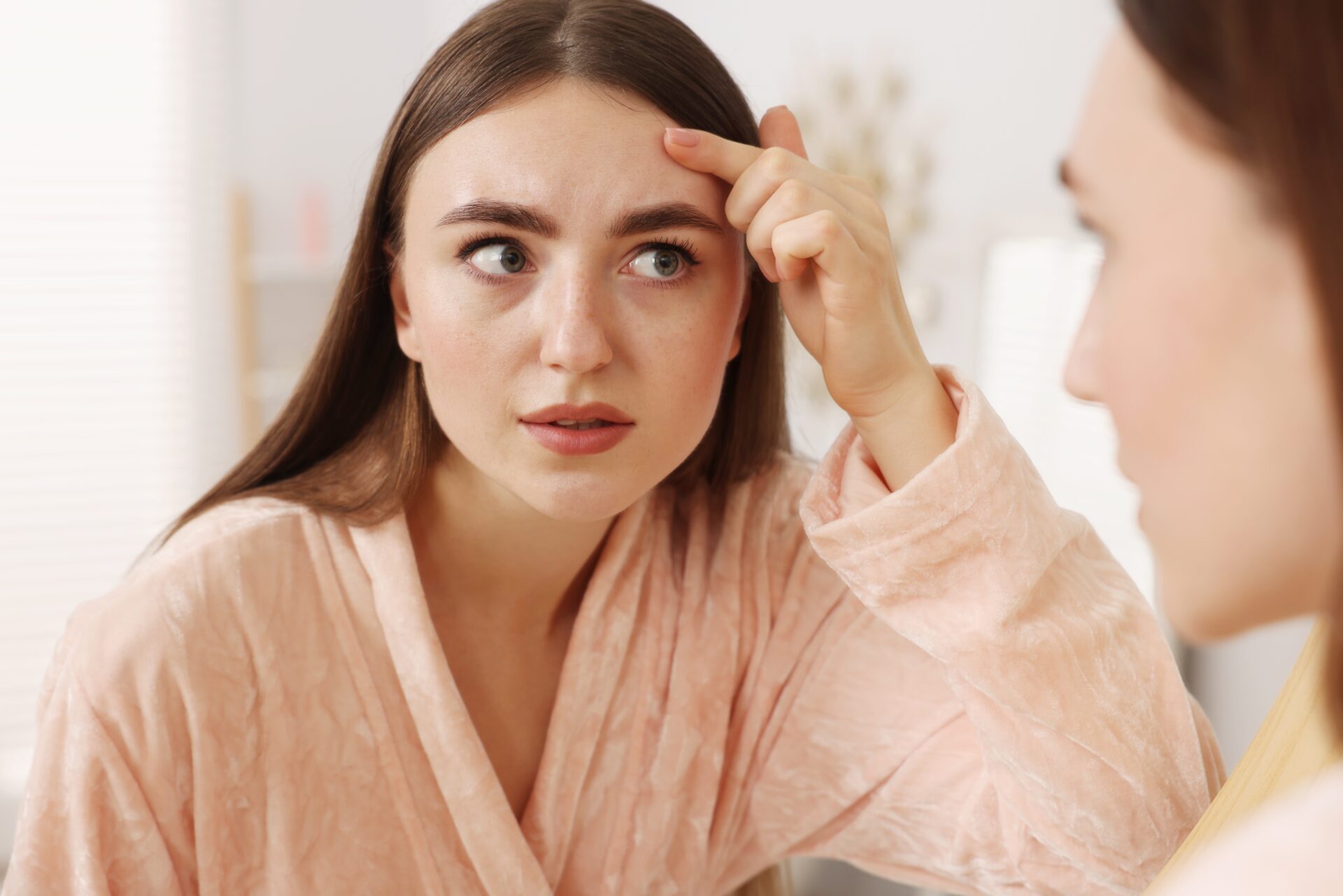 ━━ Wet hair promotes the growth of bacteria, which is then transferred to the skin and causes acne.
( Source: New Africa / Shutterstock )
The origin of acne
A moist environment also forms on the pillowcase. When you wake up, you can’t help but wonder what has happened to your skin. In particular, the pores on your forehead and cheeks become clogged due to water droplets or products you have applied to your hair. At the same time, bacteria from your scalp are transferred to the pillow you rest your face on all night. These conditions lead to acne and other skin problems.
It is quite common for dirt and bacteria to breed on the pillow, so it is important to change the cover regularly. “It’s a good idea to change pillowcases and sheets every 1-2 weeks. This can help reduce the risk of acne, and sleeping on clean, fresh bedding is a great way to increase comfort and sleep quality,” notes Dr. Dustin Cotliar.
Summary
If you go to bed with wet hair a few times, you won’t immediately invite disaster. However, if you repeat the habit, fungus and acne can become unpleasant companions that are difficult to get rid of. So always think about blow-drying your wet hair before going to bed.


 Šárka Cvrkalová

 L. Novak



 O. Müller
