

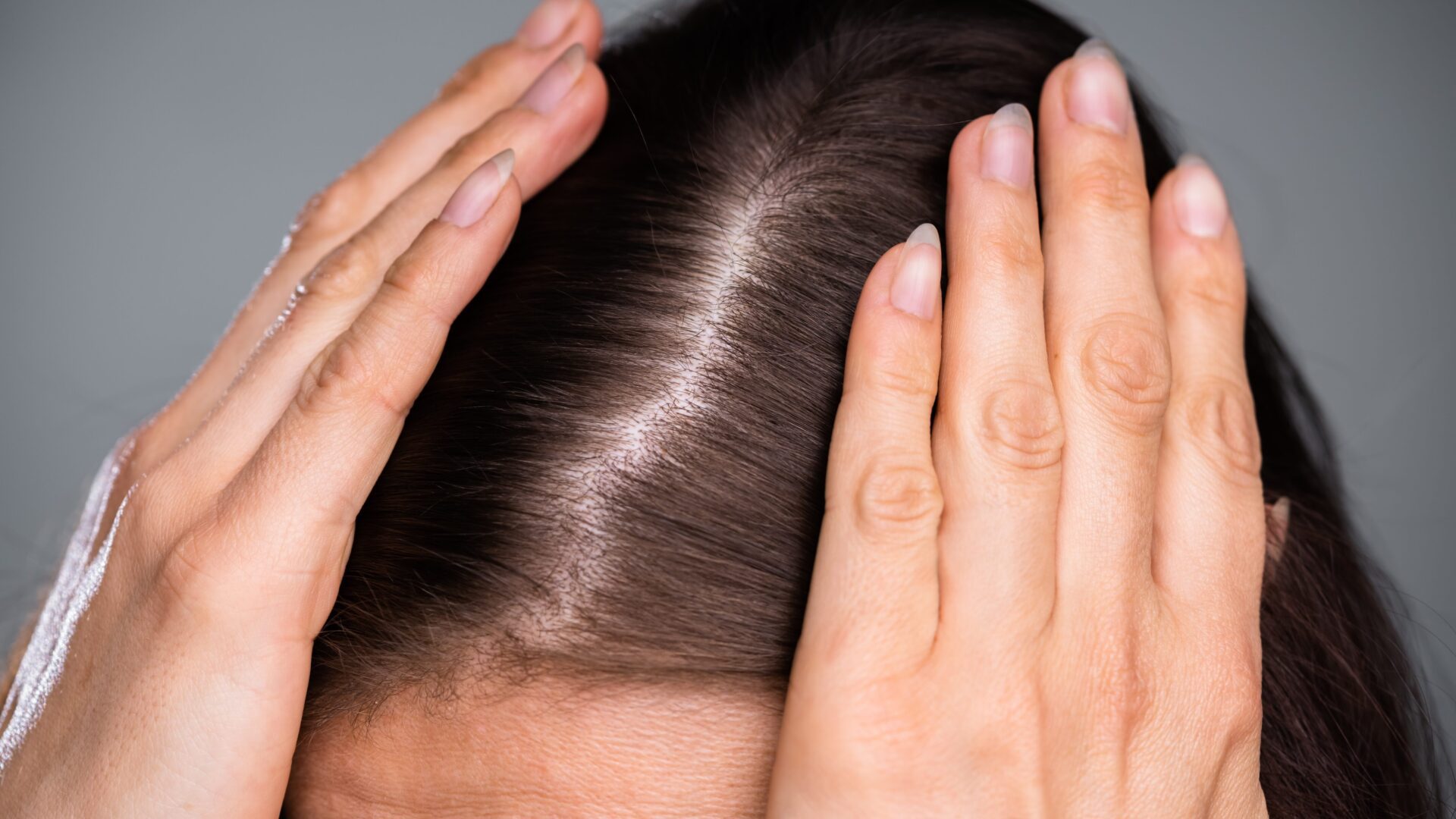
Many people encounter thinning or fine hair sooner or later. It is not a failure, but a normal part of life. Although we commonly hear about genetic causes of hair thinning, science shows that it is a widespread phenomenon. Up to 85% of men and 33% of women will experience some degree of hair thinning or hair loss during their lifetime. There may be many reasons for this, but coping with the problems is necessary, whatever the cause.
It may be a normal consequence of aging, hormonal changes or lifestyle. But the right hairstyle can visually add volume to the hair and give a person confidence. There is no need to deal with medical causes and worry about not having as much hair. Of course, it is important to focus on health issues, but in the meantime, you can look good by following the recommendations in this article.
Why hairstyle makes such a difference
Thinning hair doesn’t look bad on its own. They just often simply don’t have the volume, texture and movement that classic hairstyles require. Hair with low follicle density can appear flat and more greasy, which is a common reason why women in particular tend to get frustrated. Another important point is the difference between fine hair and thin hair per se. Fine hair means a smaller diameter of individual strands.
Thin hair indicates a lower number of hairs per cm², which can affect the overall appearance of the hairstyle. Proper cutting and styling act as an optical illusion. Instead of hair just hanging without shape, it creates dynamism, texture and fullness that the eye perceives as a thicker hairstyle.
Ideal cuts for thinning hair
Hairstyles like the mikado or pixie cut (i.e. very short cuts) are often recommended by hairdressers precisely because they don’t weigh down fine hair and allow it to look fuller. A mikado with fine layering gives movement and highlights the hair, making its texture appear stronger. In contrast, pixie cuts with a longer top create the illusion of volume on top.
For shoulder-length or slightly below-shoulder hair, waves and asymmetries work to break up straight lines. These often make thinness visually apparent. Layered cuts add texture and prevent hair from looking like sparse clumps of hair without much fashion sense. Asymmetrical cuts and bangs break up uniformity.
 ━━ Thinning hair troubles men, but also women. But if you choose the right hairstyle, no one will notice the shortcomings.
( Source: Oladimeji Odunsi / Unsplash+ )
How to add style and confidence to your hairstyle?
The hairstyle itself is just the beginning. How you take care of your hair is also important. Texturizing sprays, light mousses or styling pastes give individual strands more life and separate them from each other, which partly compensates for the lower density. The form of hair treatment when drying also plays a big part. Blow-drying from the roots using a round brush can plump up the hair and create more volume without weighing it down.
But equally important is how you eat. The health of your body obviously affects the health of your hair. Studies show that a high intake of vitamins (e.g. D, iron) and quality protein can improve hair density and reduce excessive hair loss. Conversely, bad habits such as frequent intake of sugars and alcohol can exacerbate the problem.



 L. Novak



 O. Müller

 A. Urban