

For many, gardening is relaxation and rest. It is work, but it is voluntary work. Many love it. Any experienced gardener will tell you, however, that it is definitely not an easy job. You will have to deal with many difficulties when gardening. One of them is the ubiquitous weeds. But don’t be discouraged. There are several ways to get rid of weeds. For example, by using organic products.
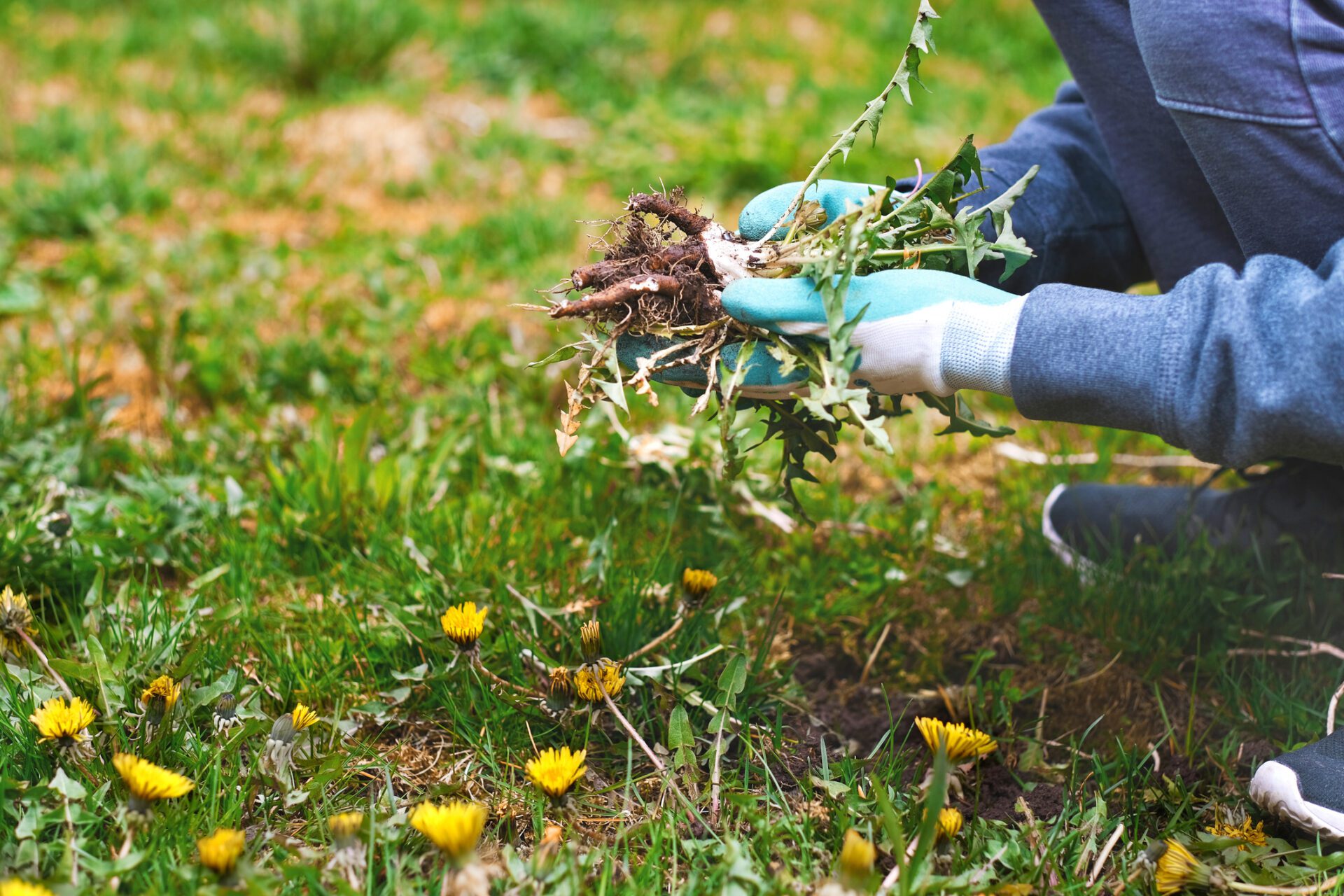
Of course, if there are a few weeds in the garden, just pull them out of the ground, ideally with all their roots. However, if there are a lot of weeds in the garden, it would really be a lot of work. In this case, it is much better to choose a natural product that will help with weed control. Mulching can help. Organic mulch will not only help weeds but also make the soil more fertile.
Solarisation will also help
During the summer months, it can help to place a transparent film over the area where you want to eradicate the weeds. The foil should be left in place for at least a month. The sun will heat the soil and destroy the roots and seeds of the weed. However, bear in mind that heat can also destroy beneficial organisms. Burning can also help, as can foil. A propane-butane torch can be used for burning. However, you must be careful and wait for a windless day.
You can also try to kill weeds with boiling water. However, this is not an ideal method for the flower bed, it is more suited to walkways where weeds are growing through. Bear in mind that weeds with deep roots need more boiling water. Alternatively, vinegar can also help. You can mix it with hot water. However, you need to use the vinegar-based herbicide several times to make it more effective.
 ━━
( Source: VisualArtStudio / iStockphoto )
Watch out for honeysuckle
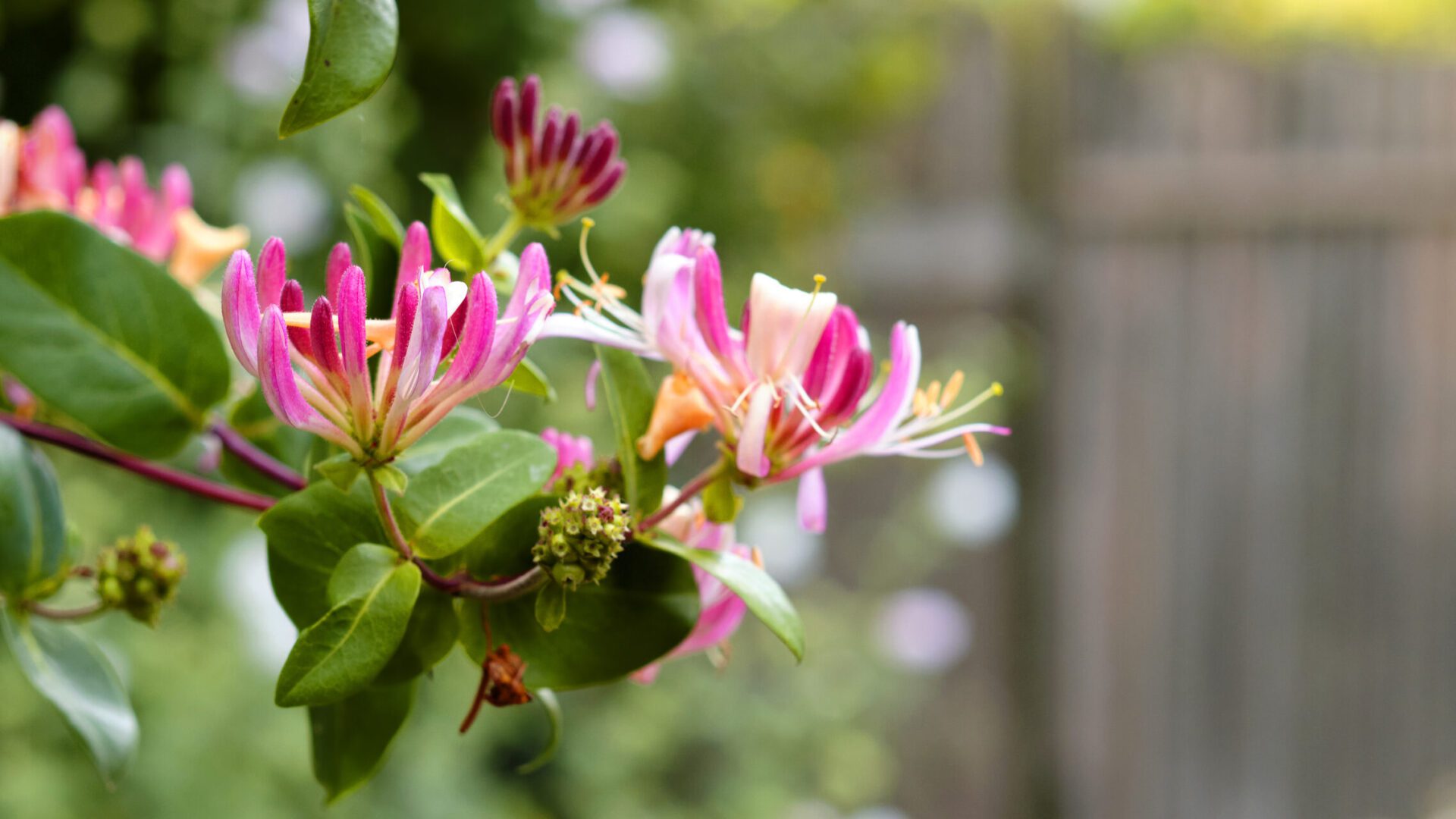
It looks beautiful and smells sweet. It’s a honeysuckle. Many people would think they’d keep it in the garden because it doesn’t smell bad. On the contrary. It really is beautiful. But appearances are deceiving. It’s a weed that can slowly kill all your plants. It even disrupts entire ecosystems. If you want to get rid of it, you’ll need loppers and ideally an electric drill. And don’t forget the herbicide.
In this case, herbicide is really essential. In the case of honeysuckle, hot water, foil and vinegar won’t help. Be careful when applying it. However, start by cutting the plant as close to the ground as possible with scissors, then use a drill to cut holes in the stems. It is important not to puncture the sides. You are drilling a sort of well for the poison in the form of herbicide. Make sure that the poison does not reach other plants and protect pets from it.
Can salt be used as a herbicide?
A glyphosate such as RoundUp is ideal for honeysuckle and salt is not ideal for the garden at any other time. It is true that salt is a great herbicide. However, it can really kill everything that grows. It is toxic and therefore absolutely unsuitable for most gardens. Salt could kill the ability of plants to grow in the garden for several years. Can you believe that salt could theoretically be more dangerous than the aforementioned glyphosate? How is that possible?
While glyphosate breaks down, salt never does. Salt destroys plants by osmosis. If there is more salt on the outside of the plant than on the inside, it sucks water out of the surrounding plant cells and this causes the leaves or roots to die. Salt also kills most soil organisms, good and bad, including fungi, insects, bacteria, earthworms and slugs. Salt is therefore definitely not suitable for any garden.


 Šárka Cvrkalová




 O. Müller

 A. Urban