

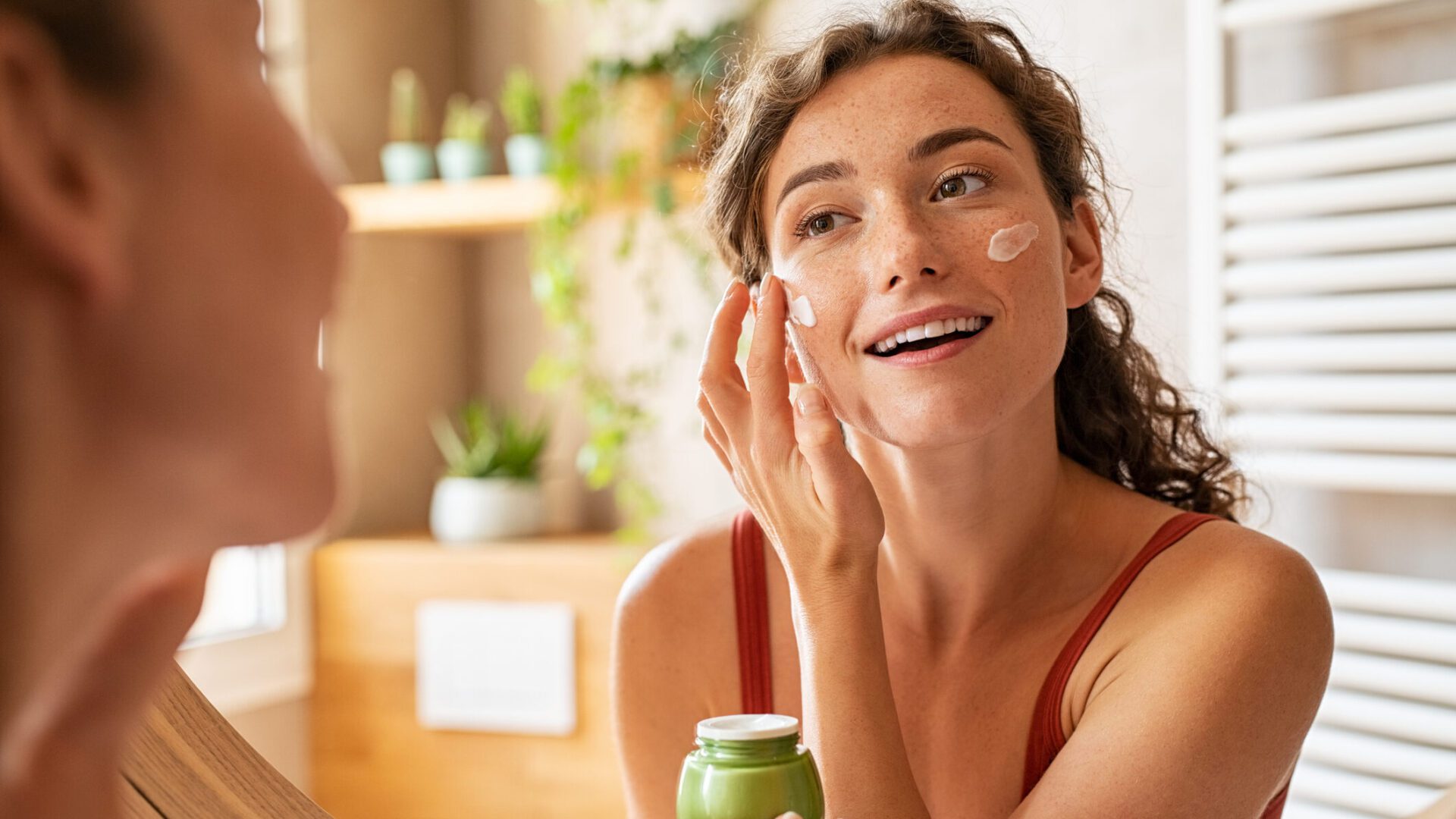
At a time when a new miracle anti-ageing cream range is on the market every season, an old, simple method is starting to gain attention. Occlusive creams, those that create a protective film on the skin’s surface, are coming back into fashion. This prevents water from escaping from the skin and protects it from external influences. In winter, these are most often creams based on petroleum jelly and vegetable oil or baby oil. Recent studies even claim that such a winter cream rolls even Botox.
What can creams do? How are they better than the injectable methods that many people resort to? Let’s look together at the best way to protect your skin in winter, get rid of wrinkles and maintain a youthful appearance.
What can occlusive cream give you?
Occlusive creams such as those based on petroleum jelly have clear and scientifically backed effects that can be very beneficial for your skin in winter. Petrolatum, the main ingredient in petrolatum and similar ointments, is considered one of the most effective substances to prevent water loss. By forming a protective barrier on the skin’s surface, the cream helps to maintain hydration. This is especially important in winter when skin suffers from frost, wind and dry air from heating.
If you suffer from dry, irritated or flaky skin, such a cream can help soothe the skin, prevent further dryness and promote skin regeneration. For these reasons, a winter occlusive cream can make a lot of sense as a preparatory or supportive treatment during the cold season. Especially if you don’t have extremely oily or acne-prone skin.
Cream VS Botox
When someone promises that a cream can replace the effects of Botox, it’s important to remember that this may or may not be true. Botox works by temporarily blocking the nerve signals to the muscles, preventing them from contracting and thus preventing the appearance of significant expression lines. This leads to a significant softening of facial features and a reduction in the visibility of wrinkles until the effect wears off(typically 3-4 months).
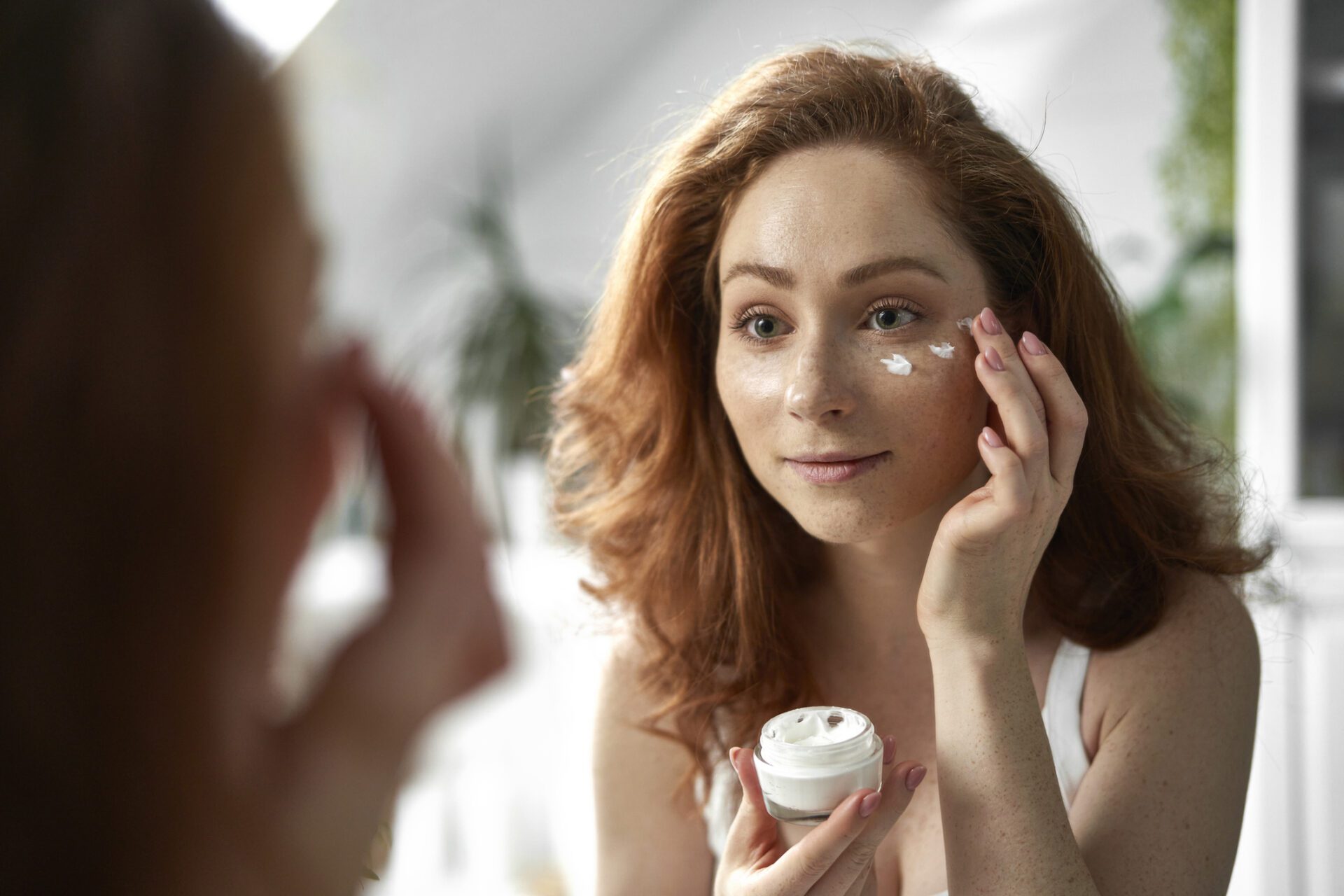 ━━ Occlusive creams can significantly help with skin care in winter.
( Source: gpointstudio / iStockphoto )
In contrast, occlusive preparations do not affect muscle activity. Thus, they do not have a mechanism that reduces mimic wrinkles in the same way as Botox. However, creams can improve skin hydration and health and help against wrinkles in a slightly different way. Winter cream can handle the moisturizing and protective role and can make the skin visually smoother and healthier, but it does not have the power to relax the skin in the long term like Botox can.
When to reach for a cream, and when to consider Botox?
Situations where a winter occlusive cream can really make sense:
- If your skin is dry, tight, irritated in winter: the cream will help to restore the barrier, hydrate, soothe.
- If you have rather fine lines or incipient wrinkles: regular hydration and care can slow dryness and prevent significant aging.
- If you prefer a minimalist, inexpensive and non-invasive approach, especially if you are not comfortable with procedures, injections or expensive cosmetics.
Instead, use Botox when:
- You are really bothered by significant facial wrinkles, deep lines or a skin firmness problem, as a cream alone is unlikely to achieve the desired lift.
- If you expect wrinkles to disappear in a short while, ideally for several months.



 L. Novak



 O. Müller

 A. Urban