

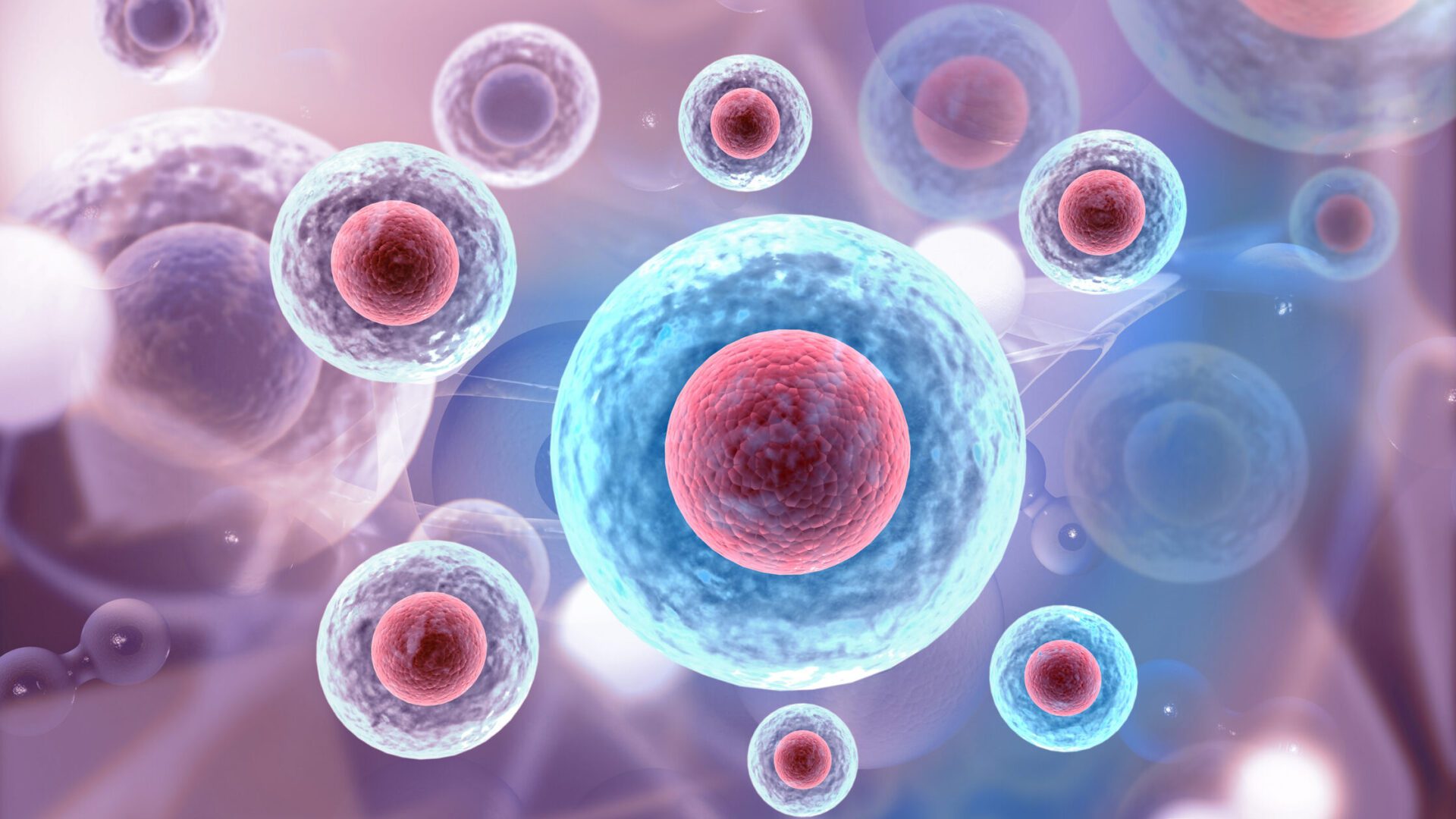
Debates about infertility are much more open today, and so are the options available to address the problem. We encounter many stories from life as they affect countless couples. In some cases their hopes succeed, in others they do not. However, research is continually producing new revelations, and one of them points to a link with a change in sugar consumption. Allegedly, it could alter the behaviour of stem cells, which are linked to fertility.
What if there was a way to influence stem cells and their behaviour? Scientists at the University of Copenhagen have made a breakthrough in this area by publishing a study looking at the effect of a different type of sugar on the functioning of embryonic stem cells. Sugars are a “diet” for these cells and not only improve their overall health, but also support their ability to develop into skin, liver or nerve cells.
Changing the metabolic process
Sugars are a very common part of our diet and their intake can have both positive and negative consequences. In fact, it depends on what type of sugars you consume. The study states that the change in diet consists of replacing regular glucose with galactose. This seemingly subtle and simple change has a profound effect on cells, preventing them from continuing the energy process. In contrast, cells rely on oxidative phosphorylation. Although this concept sounds complicated, in layman’s terms, it is the way in which cells are able to produce energy. This process takes place in the mitochondria. So we can say that if you change the type of sugar, you change the behaviour of the cells themselves.
“We show that by changing the diet, stem cells can rejuvenate and turn into ‘super stem cells’. It forces them to metabolise energy in a different way than they normally would, and this process essentially reprograms the stem cells,” says Robert Bone, one of the study’s authors.
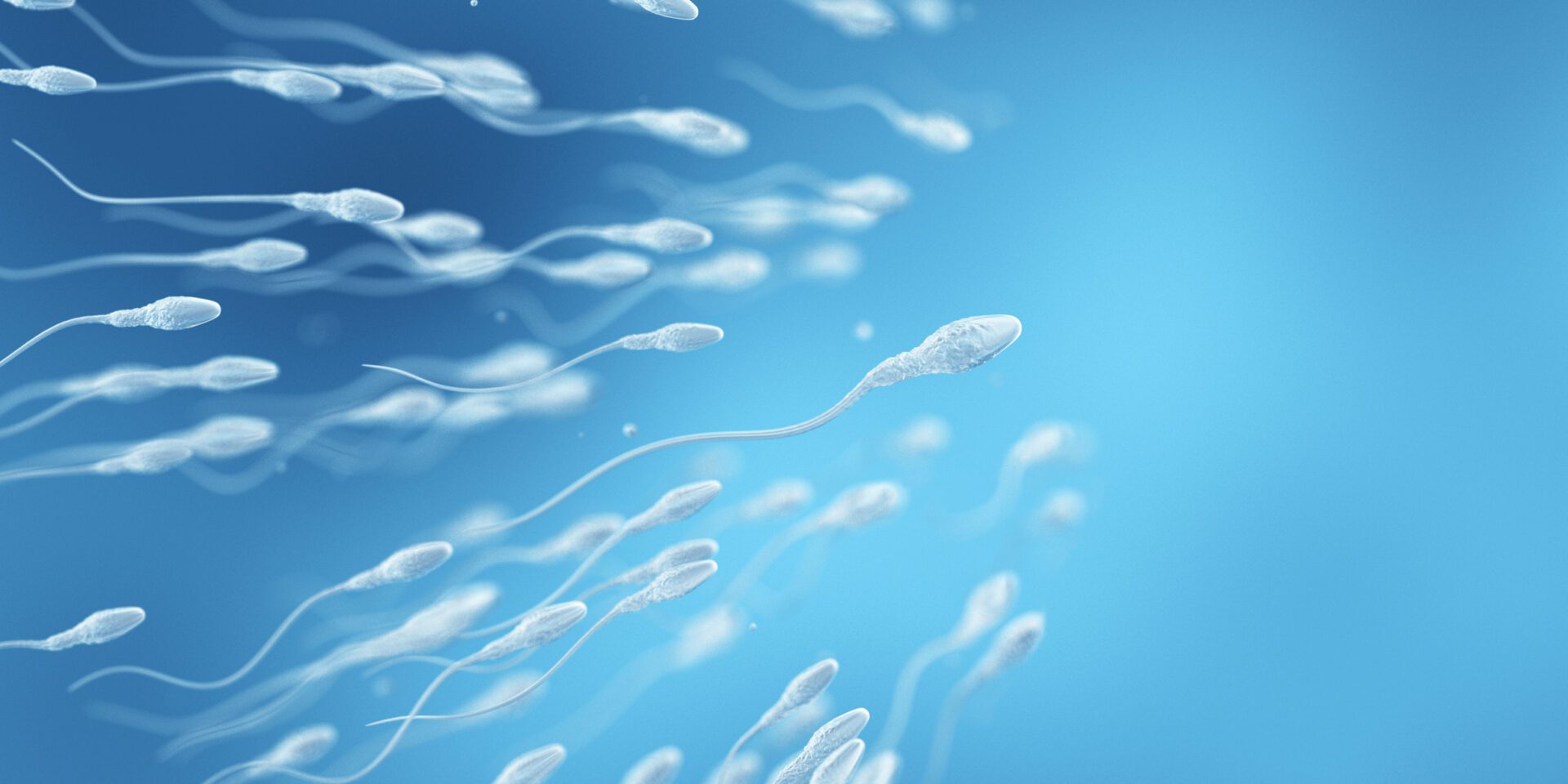 ━━ A new study points to the possibility of a breakthrough treatment for infertility.
( Source: BlackJack3D / iStockphoto )
However, changing cell behaviour is only a link at the beginning of the chain. A number of other changes are set in motion, including the active involvement of proteins that regulate the reading of DNA information in cellular ageing processes. As a result, the DNA becomes more efficiently “organized” and the cell is better able to read information from the DNA. In comparison, imagine a radio where you remove the noise and only clear and important information gets through. This creates rejuvenated “super stem cells” that function more efficiently and are much healthier than those living in a glucose environment.
A breakthrough in the treatment of infertility
Following these findings, the researchers presented in their study the possibilities of what these stem cells could be used for. In particular, they talk about a breakthrough in the treatment of infertility. Research has revealed that they can effectively form yolk sac-like tissues. This is an early embryonic structure that is essential for embryo implantation during in vitro fertilization (IVF).
“One of the things that ‘super stem cells’ seem to be better able to form is a cell line that becomes something called the yolk sac. Previous research has found that yolk sac formation in embryos cultured in a dish is very important for their ability to nest and successfully become pregnant,” continues Robert Bone.
The research team believes that their further research will yield significant advances that will help many couples struggling with infertility. Equally, they could increase the success rate of artificial insemination in individuals for whom previous attempts have not been successful.
“We hope to improve IVF technology by developing a culture for IVF that uses the same metabolic process. Hopefully it can be used as part of the embryo culture regimen used in clinics to improve implantation success rates,” says another researcher, Joshua Brickman.
The future in the treatment of tissue degeneration
Medicine could reach many more areas with these findings. Researchers also see potential in treating age-related diseases and tissue degeneration. This means that there could be a shift in the successful treatment of, for example, Parkinson’s disease, diabetes, osteoporosis or some heart diseases.
“Since we now have a simple way to rejuvenate cells, we want to explore how this trick could work on different cell types. For example, can we use this diet to revitalize liver or heart cells and then use them to treat patients with congestive heart failure or liver cirrhosis?” Brickman adds.


 Šárka Cvrkalová

 L. Novak



 O. Müller
