

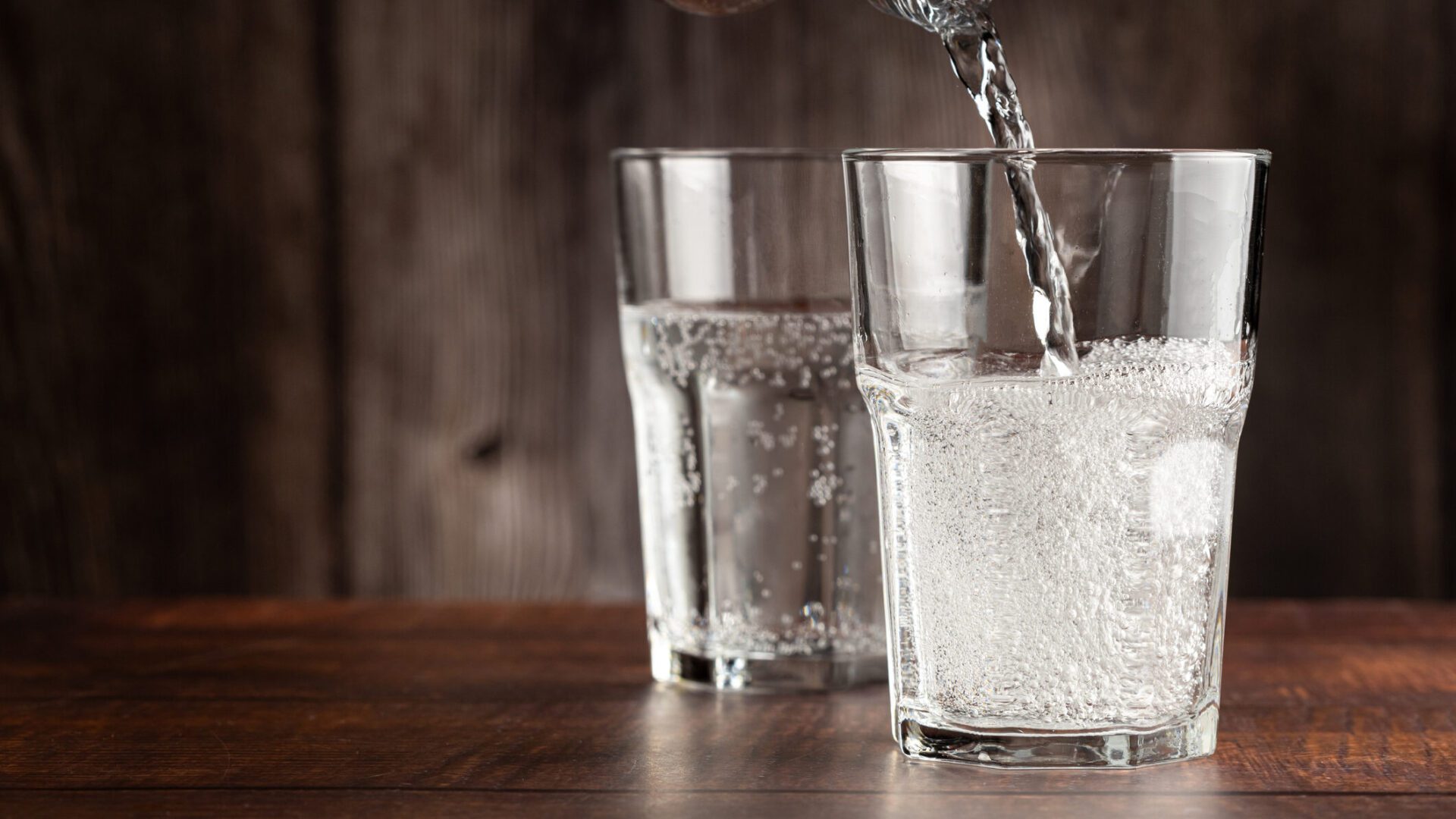
Hydration is crucial for the proper functioning of the body. This is true both in the warm summer months and in winter. Plain water is the most natural way to give your body fluids. When playing sports, working hard or simply during the day, it is essential for the body to drink enough. However, many people wonder if sparkling water is as good as plain water without bubbles. Some of us don’t like still water very much and the bubbles help us to accept it better. But is it a good thing?
At first glance, both variants seem harmless because, after all, they mainly contain water. But added carbon dioxide and other ingredients can have hidden effects that the body may not always accept properly. What are the advantages and disadvantages of sparkling and still water in terms of recovery, dental health, digestive health and other aspects?
Hydration and regeneration
Sparkling water is no less effective than still water in terms of hydration. According to experts, its hydration capacity is comparable to ordinary water. One study in the past even compared urine output four hours after drinking a litre of sparkling water and a litre of still water and found that there was no significant difference between the two in this respect.
Moreover, bubbly water may even have an advantage for recovery. Its taste and sensation of effervescence may encourage some people to drink more, which in turn promotes better hydration. On the other hand, however, sparkling water can cause discomfort in some individuals, which can affect the recovery process. For more sensitive people with reflux or irritable bowel syndrome, it can cause bloating or feelings of fullness.
Teeth and sparkling water
One of the most common concerns around sparkling water is its acidity. When CO₂ dissolves in water, it creates a weak carbonic acid, which lowers the pH of the drink to about 5-6. Although it’s acidic, research suggests it’s not as harmful as lemon drinks or sugary sodas. Dental research shows that healthy tooth enamel exposed to sparkling water is not significantly damaged.
Even so, to minimize the risk to teeth as much as possible, dentists recommend several precautions:
- Drink sparkling water during meals.
- Alternate drinking sparkling water with still water.
- After drinking sparkling water, rinse your mouth and brush your teeth.
 ━━ Sparkling water is refreshing, but the bubbles in it are dangerous for the body in many ways.
( Source: Ryan Zi / Unsplash+ )
Other health risks and benefits of sparkling water
There’s a myth that carbonated drinks weaken bones, but the evidence doesn’t usually support this. A 2006 study of about 2 500 people showed that a decrease in bone density was associated with consumption of phosphoric acid-containing cola drinks but not with non-cola sparkling water. Some mineral sparkling waters even contain calcium and magnesium, which can in turn promote bone health.
Sparkling water can also have positive effects in the digestive tract. Studies suggest that it can improve swallowing, especially in older people. Further, sparkling water may prolong the feeling of fullness after eating, which could indirectly promote healthier recovery processes or control energy intake. Conversely, in people with sensitive digestion, bubbly water can cause bloating and feelings of fullness, sometimes even heartburn, especially in gastroesophageal reflux.
Therefore, it cannot be said that sparkling water is significantly unhealthy or that drinking it significantly harms people. However, in some cases it may be advisable to omit it from the diet, or at least to intersperse its drinking with other liquids, ideally unsweetened teas and plain water without bubbles.



 L. Novak



 O. Müller

 A. Urban