

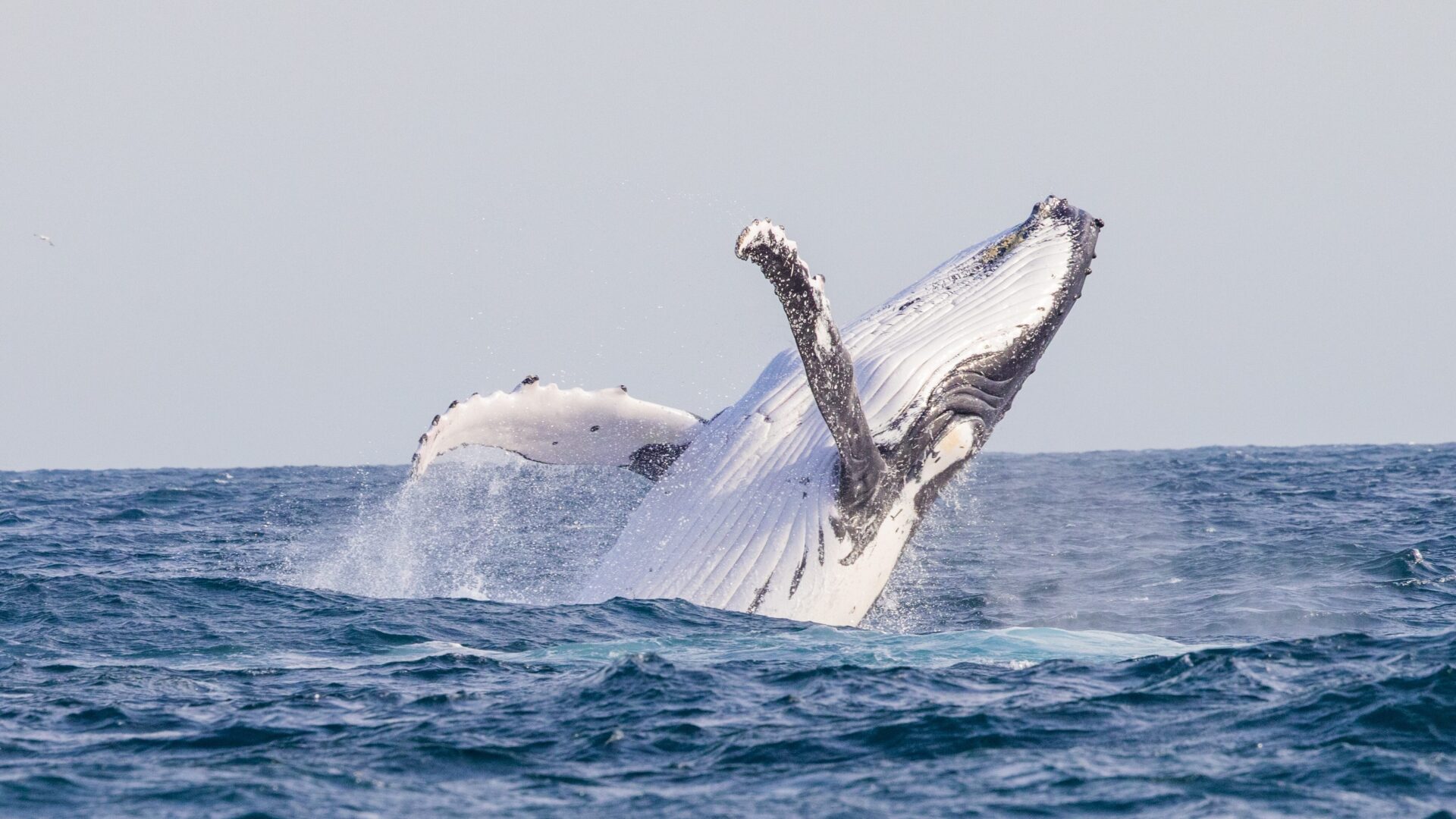
Scientists have been observing whale behaviour for many years. For the last 30 years, they have been collecting data to show how whales can adapt to a world that is constantly warming. In addition to a warming planet, the animals must also adapt to the movement of people around them. How have the whales coped with these challenges?
Whales in the Gulf of St. Lawrence
A study published in the journal Frontiers in Marine Science examined how climate change is affecting three species of whales that live in the Gulf of St. Lawrence. They found that the whales share food resources. The main goal is to minimize competition and allow them to coexist.
What’s in the whales’ diet
According to the lead author of the study, Charlotte Tessier-Lariviére of the Université du Québec á Rimouski , there has been a shortage of Arctic krill. It was an important prey item for whales in the 1990s.
Now, according to new research, whales have begun to feed on fish such as pufferfish, mackerel and herring. This shows that whales can adapt to conditions that change over time.
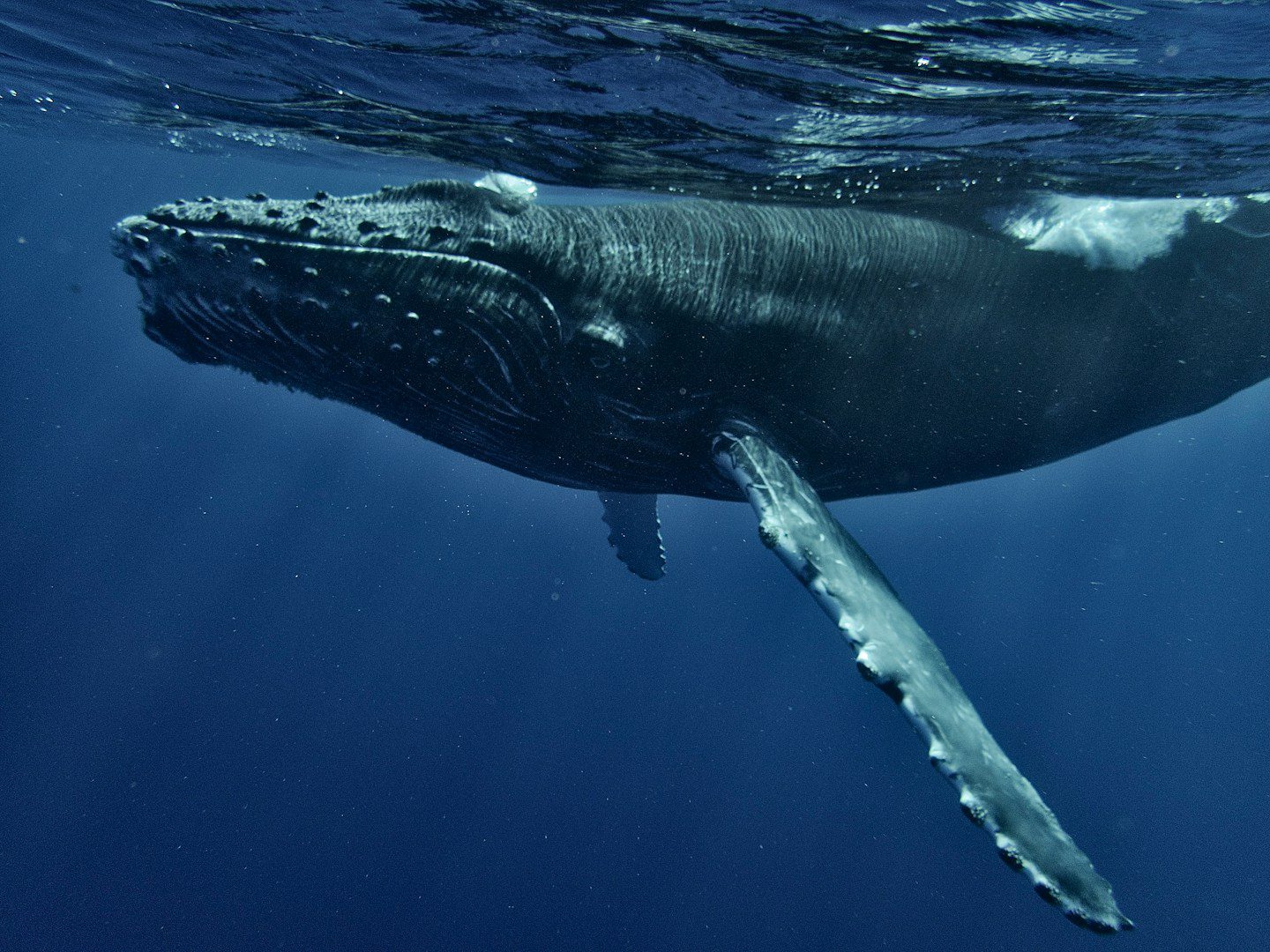 ━━
( Source: Chinh Le Duc / Unsplash+ )
There’s enough food for everyone
Hana Vatcher, an activist with the advocacy group Oceana, says the study shows thatthe whales aresimply adapting to the situation. They don’t steal food from each other. On the contrary, there are signs that they are sharing food resources.
“They’re highly intelligent creatures,” says Janie Wray, CEO of BC Whales and the North Coast Cetacean Society. It was Wray who led the study, which focused on the practice of feeding humpback whales using bubble nets.
It’s a technique that is very complex. In it, the whales release air bubbles into the water, which they use as a net or screen to concentrate their prey. This makes it easier for them to hunt for food.
How the scientists worked
Scientists analyzed skin samples taken from more than 1,100 whales during 1992 to 2019 for stable isotopes of nitrogen and carbon that reveal what the animals eat. And also what place they hold in the food chain.
The samples cover three distinct periods of environmental change in the North Atlantic. From the colder conditions that prevailed in the 1990s to the warmer waters and associated loss of sea ice that has occurred in recent years.
Major changes in the Gulf
The Gulf of St. Lawrence, which is an area where large numbers of whales are found, has seen some really rapid environmental changes in recent decades. These have been caused not only by rising water temperatures and shrinking sea ice, but also by increasing human activity. In fact, there is now a higher frequency of boat traffic and fishing is also taking place.
Scientists say this study provides a rare insight into how large marine animals respond to long-term changes in the ecosystem, rather than short-term fluctuations.


 Šárka Cvrkalová




 O. Müller

 A. Urban