

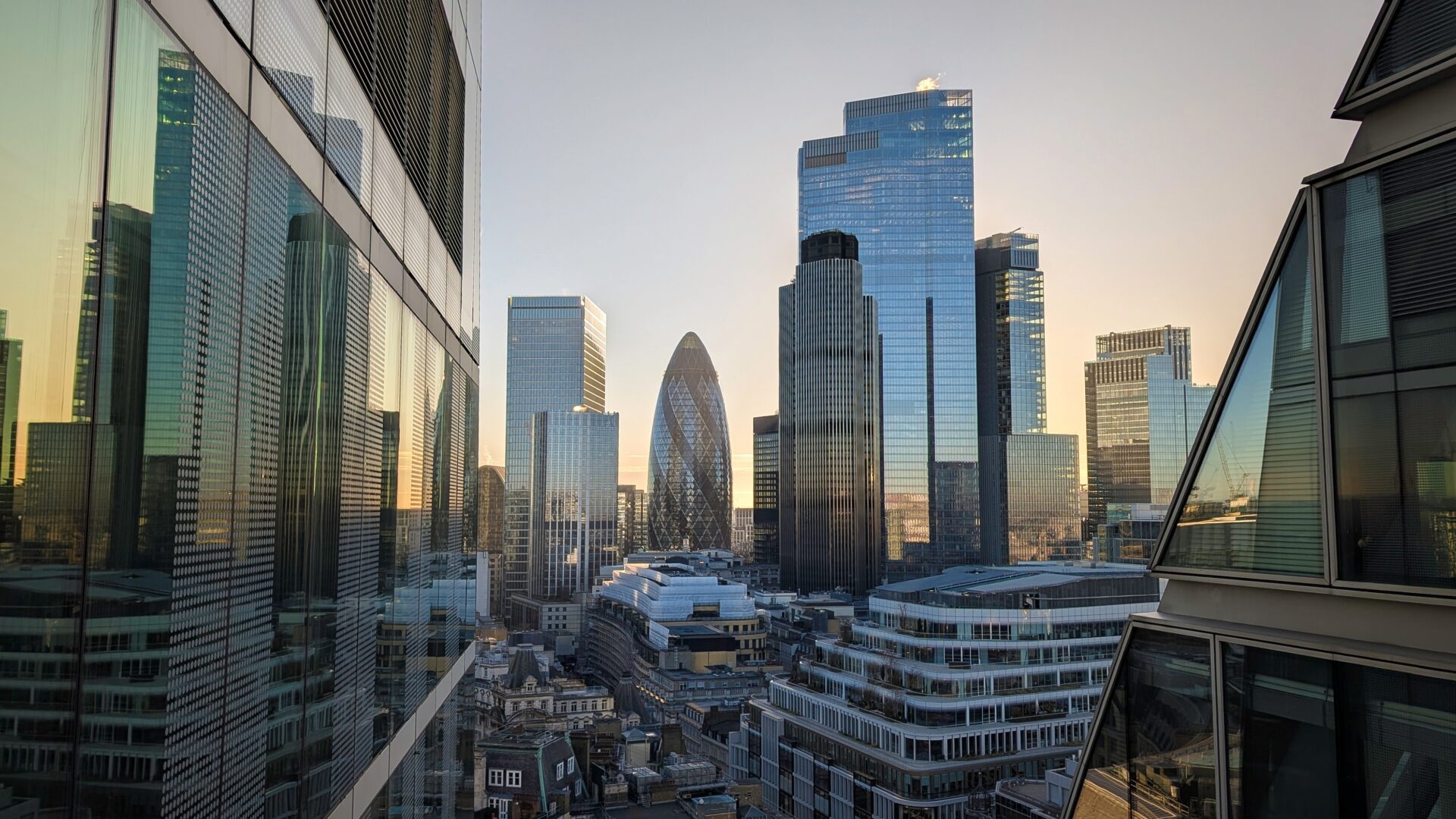
Skyscrapers dominate every big city. They tower majestically and proudly and offer far-reaching views. But building them requires engineering and architectural skill, and so Skyscraper Day is celebrated in their honour on 3 September.
History of skyscrapers
The first skyscrapers began to be built in the late 19th century. The very first was completed in 1885 in Chicago. This building was called the Home Insurance Building and towered to a height of 42 metres. However, it was not a skyscraper by today’s standards as it was only ten storeys high. Initially, any building that was taller than others was called one. However, the term has gradually become established and a classic skyscraper normally has to have at least 40 floors.
Skyscraper construction has boomed, especially in large cities. Space for construction is limited and the number of people living in cities is growing, so the best solution was to push buildings up into the heights. This combines several reasons: practicality, aesthetics, but also a sense of strength and invincibility.
Why are skyscrapers fascinating?
The popularity of skyscrapers is quite simple. They offer you a view from heights you wouldn’t normally reach, and the world in front of you seems so small. You feel like you’re on top of everything. It’ s probably due to this indescribable sense of otherworldliness.
They are also a symbol of prestige and power. They also combine science and art, because it takes engineering skill to build a skyscraper like this, and the aesthetic function is just as important.
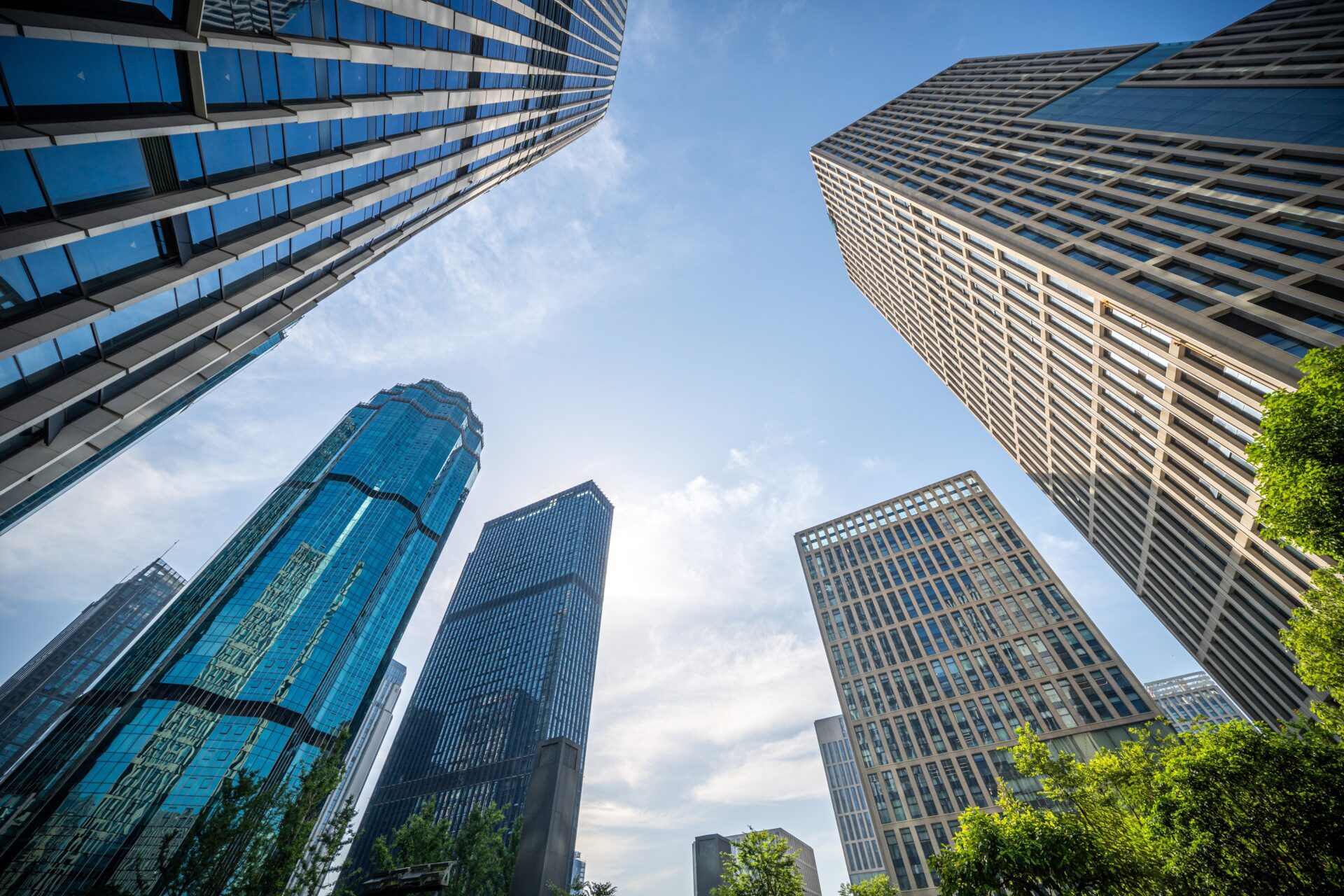 ━━ Skyscrapers must meet certain criteria.
( Source: John_T / Shutterstock )
How to celebrate Skyscraper Day?
If you live in or near a big city, climb one of the skyscrapers during September 3. Enjoy the views and seating that many of them offer. Combining a meal with a bird’s eye view of the city is a great experience. If, on the other hand, you’re more drawn to the background of the construction of these monumental buildings, find out more about the science and engineering behind them.
Did you know…?
When building skyscrapers, however, symbolism or local traditions and superstitions are often kept in mind. For example, did you know that skyscrapers in Hong Kong omit the numbers 4 and 13 floors? This is because locals believe that these numbers are unfortunate and could cause the building to fall down or cause other problems.


 Šárka Cvrkalová

 L. Novak



 O. Müller
