


With the development of artificial intelligence, the world around us is changing at an incredible speed. People have started using AI for practically everything. Personally, I’m very skeptical about it. I understand that it can be helpful in many ways, but I refuse to have it as a smart friend that I turn to daily with several questions. If I don’t know something, Uncle Google can still give me advice. However, it must be acknowledged that AI changes everything. Including business and shopping.
The new energy
Everyone needs to adapt to AI, marketers not excluded. The way we communicate with customers is changing, the way we sell is changing. Artificial intelligence is being used by stores to improve customer satisfaction. Moreover, it helps them increase profitability and efficiency. Unfortunately, nowadays, the introduction of artificial intelligence is not optional. It’s essential if you want to succeed. Retailers that integrate AI into their strategies can proactively respond to trends.
Helping customers
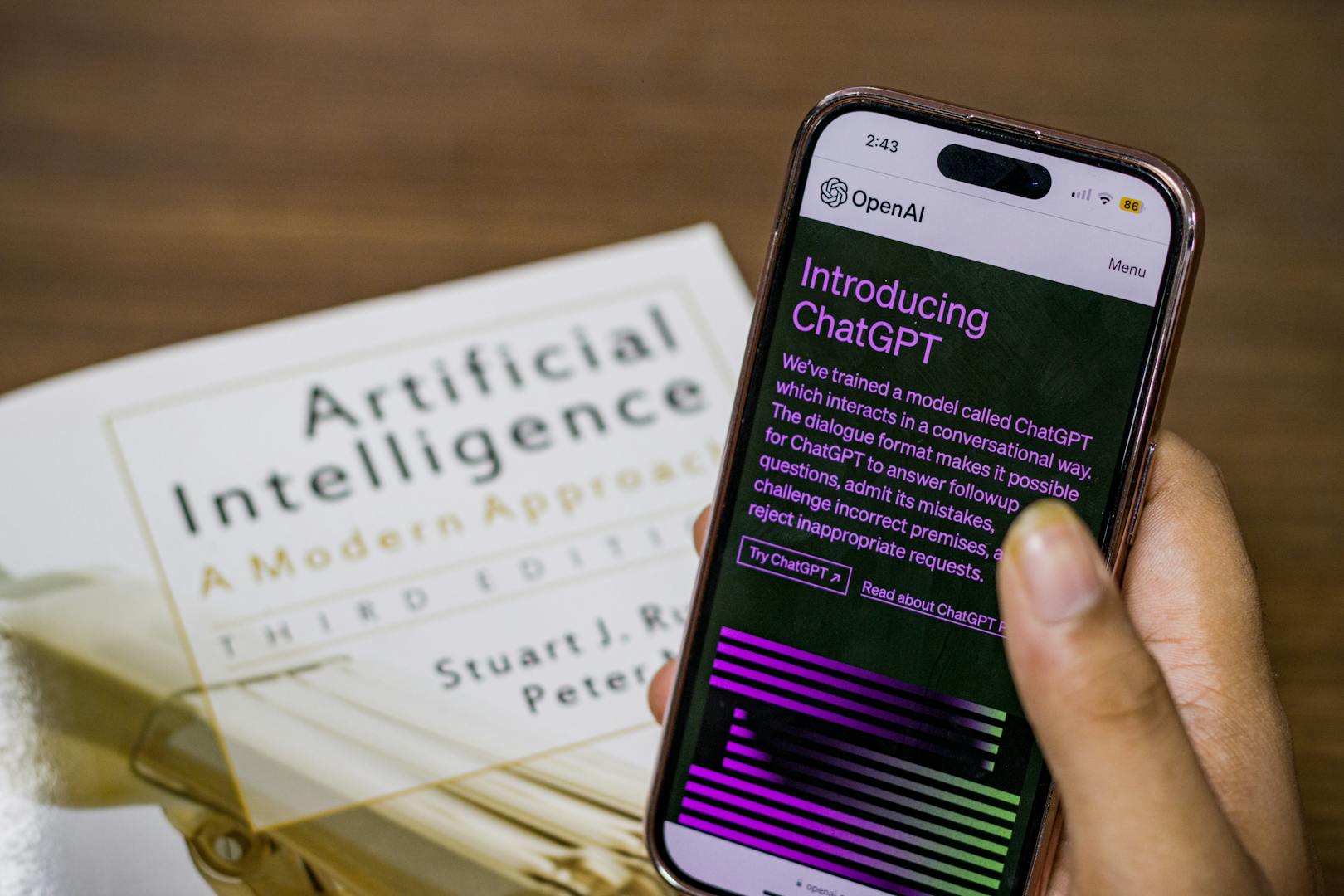
Of course, artificial intelligence is also changing the way we shop. Customers can use AI to compare products or even try on clothes virtually. They can even shop regularly using AI. You can ask your chatbot to find bathroom suppliers and compare prices of facilities. This saves you time and energy.
 ━━
( Source: Sanket Mishra / Unsplash+ )
He can shop for you
It’s not difficult for AI to compare prices of individual items or find a plumber. It’s even ready to shop for you. But are we ready for computers to do this for us? Many of us plan our budgets, set limits and want to save some money. AI can actually plan all this for us. It won’t be a problem for it if we give it input.
But are consumers willing to relinquish control to and let AI make autonomous purchases? According to a recent survey of 1,000 respondents in Germany, many consumers are generally open to shopping with AI agents. However, clearly defined limits are a prerequisite. Half of the respondents would allow AI a monthly spending limit of up to €50. A further 24% would spend as much as €100 and 15% of respondents would trust AI with €250 per month.
The elderly are cautious
Perhaps unsurprisingly, older people are the most cautious. The 55 to 65 age group might trust the AI with money, but the limits were set quite low. Generation Z, on the other hand, would have no problem entrusting the highest amounts to a robot. But they all want one thing. To be able to intervene at any time. Exactly 93% of respondents said they want to be able to view or even stop AI-driven purchasing decisions at any time. Half of respondents want a human to do the final confirmation of the purchase. Especially for large purchases, confirmation is said to be very important. Women are more concerned. They also want more insight.


 Šárka Cvrkalová




 O. Müller

 A. Urban