


Drivers always have something to talk about. There are many topics around driving, but there is one thing people often disagree on. When going downhill, is it better to apply the engine brakes, i.e. downshift, or to put the car in neutral and idle the brakes? In practice, both techniques are widely used. Some people think that neutral will save fuel, but the reality is a little different. In addition, incorrect braking techniques can damage parts or increase the maintenance costs of the car.
Driving downhill must be careful in any situation. But drivers often argue about how to brake. For some, automatic is the way to go, while others brake when downshifting. What do the experts say is right?
Neutral (idle)
If you shift into neutral, it means the engine is disconnected from the wheels. The vehicle then slides only by its own inertia. People sometimes take this step in the belief that the engine will then not consume fuel or that wear and tear on engine parts will be reduced. In modern cars, however, the engine does not receive fuel because it has sufficient speed. This means that, even with the engine in gear , the engine brakes without consuming fuel.
Conversely, when the engine is put into neutral, it must run. Although the wheels are disengaged, the engine must receive fuel to maintain idle speed. This can lead to higher fuel consumption compared to using compression braking. Neutral also increases the load on the brakes. This leads to more frequent replacement of brake pads, discs or drums. In manual transmissions, holding the clutch can cause prolonged stress on the throwout bearing.
Engine braking (compression braking)
When you stop accelerating and leave the gear in gear, the engine develops resistance. The car’s speed is then reduced even without applying the brakes. Although this effect is not great, it can significantly relieve the brakes on longer downhill gradients. This prevents damage to the vehicle and also gives you better control than when in neutral.
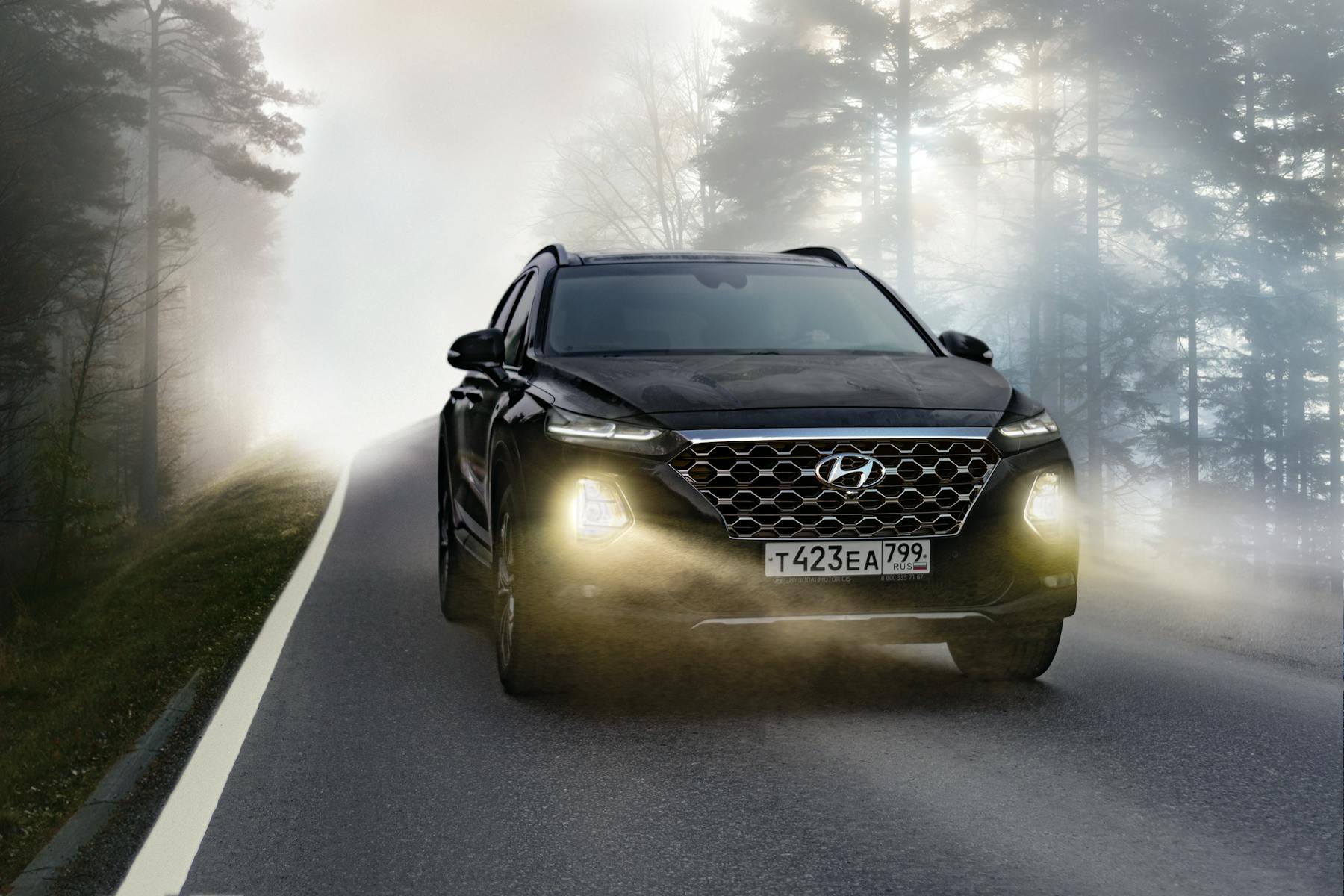 ━━ The inclusion of neutral only makes sense in some specific situations. But even braking in "one" is not the most appropriate.
( Source: S. von Hoerst / Unsplash+ )
Even when braking in this way, there are risks. If the gear changes are incorrectly executed, excessive stress can be placed on the clutch, synchronisation wheels or gears in the gearbox. On very slippery surfaces, compression braking can cause the wheels to lock up.
So what to choose?
In some cases, a combination of gentle braking and careful downshifting is necessary. Nevertheless, undergearing is generally recommended by experts and no advantages are attributed to braking in neutral. According to a LeaseLoco survey of more than 1,000 drivers, up to 45% of respondents admitted to sometimes braking in neutral. About 40% of these are women, so the difference between how women and men brake is not very dramatic.



 L. Novak



 O. Müller

 A. Urban