

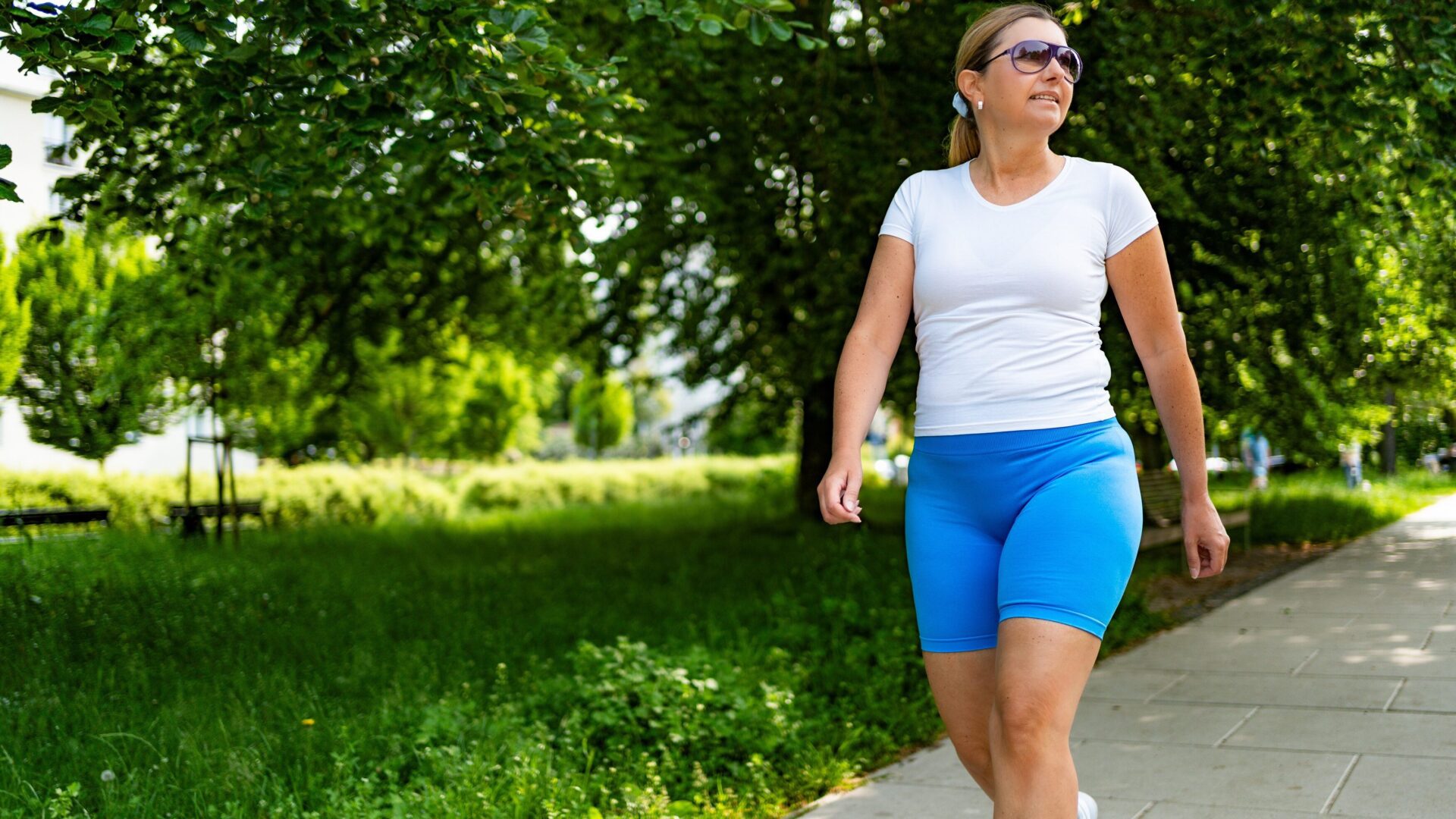
Walking is one of the most popular ways to incorporate regular exercise into your life. From all corners of the world, various forms of this common activity are infiltrating the world to enhance its effect. One example is Japanese walking, which offers surprisingly good results.
I cannot imagine my daily routine without daily walks. Once you start them, it’s hard to give them up. Lately, however, I feel that I need more exercise, but I’m not the type to stick with conventional exercise. When I came across the Japanese walkingmethod, developed by researchers at Shinshu University in Japan, I started to find out more about it. I came across an article by a British journalist, Dianne Bourne, who had tried the method as a 30-day challenge. As she said herself, she was very pleasantly surprised by the results.
Japanese walking is a simple way to turn an ordinary walk into an undemanding exercise. The principle is to alternate three minutes of fast and three minutes of slow walking for 30 minutes. As Bourne points out, everyone can adjust the intensity of the interval to suit themselves. She admits that she initially found fast walking a problem because she was not used to a more active lifestyle.
The routine was getting results
In the first week, she walked about 3 000 steps in one walk, covering one kilometre in an average of 17 minutes. She did not notice any weight loss or other changes in this first phase. Visible effects were evident after the second week, despite the bad weather. Her pace increased to 13 minutes per kilometre and, combined with eating a healthy diet, she lost 2.8 kg. During the third week, she saw Japanese walking as a favourite routine that she did not want to give up. She felt an overall improvement in her physical condition and after a month her average speed had increased to 12 minutes per kilometre.
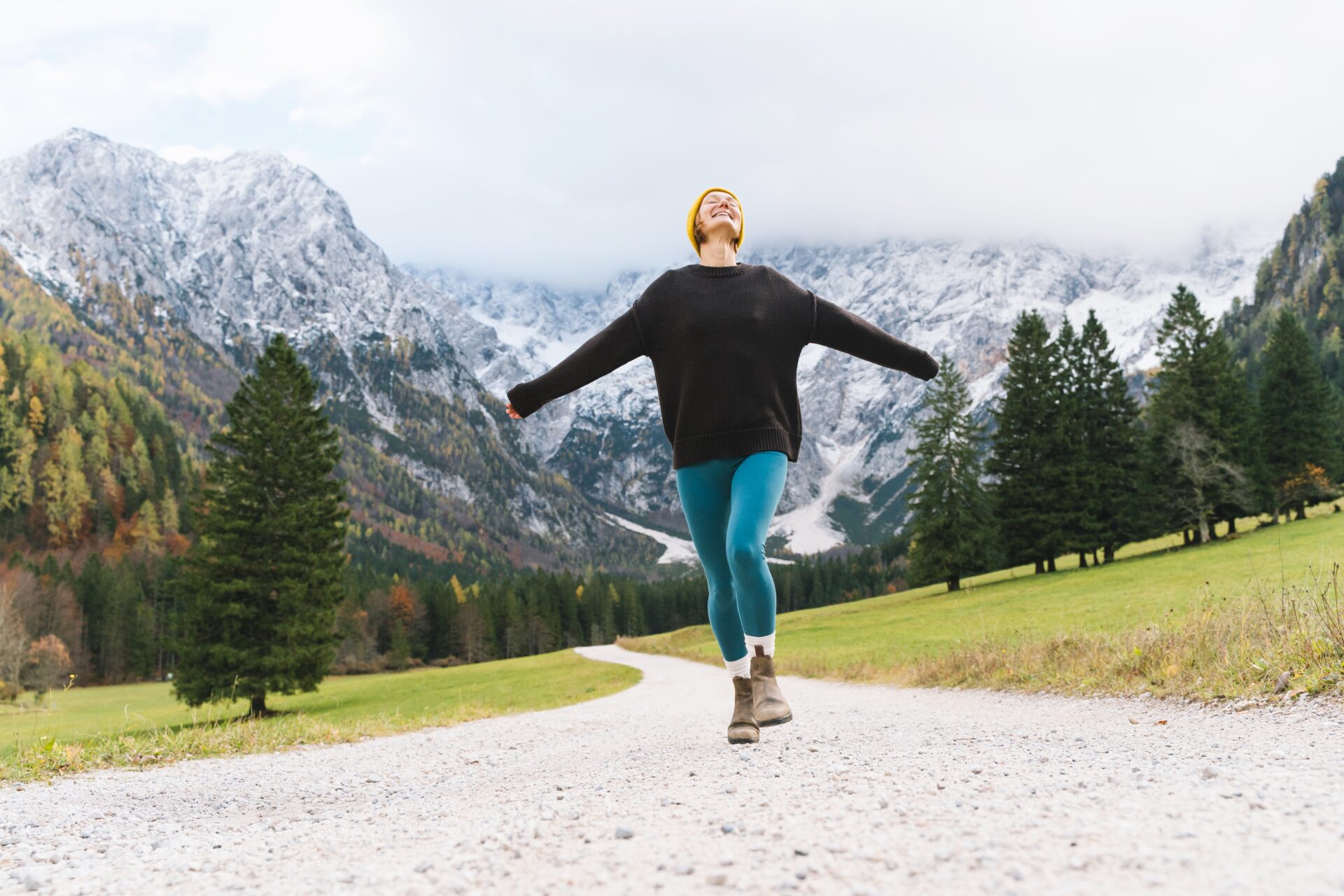 ━━ Japanese walking improves fitness.
( Source: Natalia Deriabina / Shutterstock )
During the fourth week, Dianne Bourne noticed the most significant change. Her heart rate changed. “The biggest change was a drop in my resting heart rate of over ten points.From 75 bpm at the beginning of January to 62 bpm at the end of the month. I definitely felt an improvement in my fitness. Walking up the stairs was no longer a challenge for me,” the journalist says.
She notes that walking alone was not enough to lose weight. The combination of a healthy diet and exercise helped her lose 4.5 kg in one month . “Walking according to this method improved my fitness and the healthy diet allowed me to lose weight. I am currently losing an average of 0.9 kg a week,” she points out.
Ah, the beginnings…
Since I love walking, I decided to try this method too. I see walking in a similar way to mobile data. I could manage without them for a while, but it just wouldn’t be the same. At the same time, I’m not the type to work myself to death in the gym or bounce in front of the TV in the living room, I prefer to choose activities that keep me in motion overall. But I wouldn’t be me if I didn’t add another fag to my account in the embarrassment column.
I hear the challenges, which is why I ventured out soon after discovering this method. I put on the face of a wannabe Olympic athlete, set a time limit on my watch, and energetically started walking. I carefully alternated between fast and slow walking, however, after ten minutes I noticed an elderly lady watching my struggles in the park from the comfort of a bench. At first I thought she was only giving me a cursory glance. However, each time the timer beeped and I went from the pace of “admiring every flower like some ichthyologist” to “vulture running like a running hippo having a heart attack,” the onlooker gave me a look as if she doubted my sanity. Well, everyone has to start somewhere.


 Šárka Cvrkalová

 L. Novak



 O. Müller
