

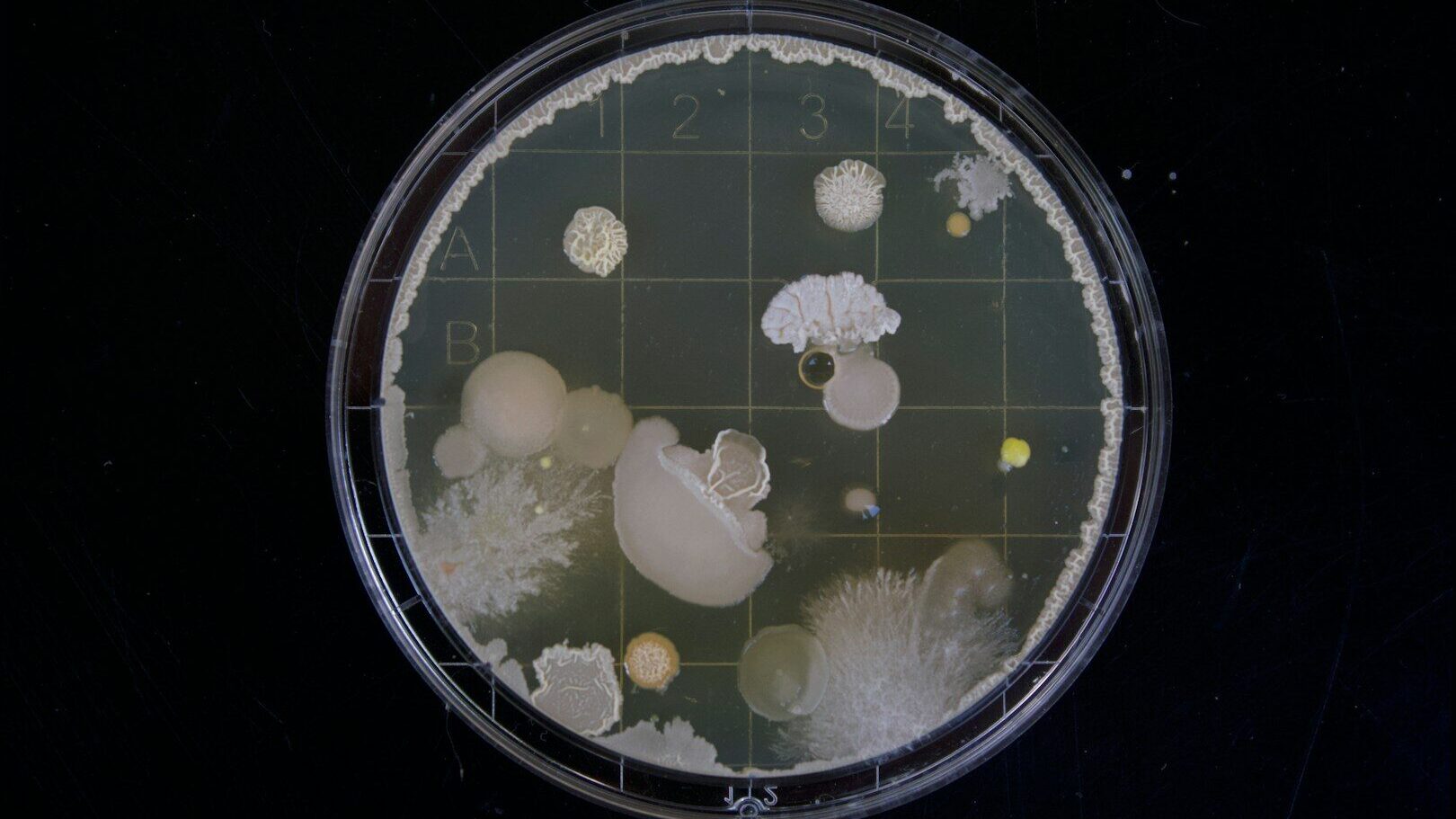
It strikes me as a scene from some far-future movie. But in reality, science has really advanced so far in this respect that even cells invisible to the eye are playing computer games themselves. Doom is the classic video game that everyone of my generation knows. Today, many would say it’s a bit too retro to be on modern screens. But you might be convinced otherwise by the fact that it’s not played by humans, just neural cells in a petri dish.
Back in 2021 , a chip with more than 800,000 living human cells was introduced. It could control a simple computer game called Ping Pong. However, a large number of cells were required, a lot of time was required, the game that the cells could control was very simple. Doom is, as my generation would say, a game on a slightly different level. And the fact that it only takes a few neurons in a petri dish to play it is incredible.
How does it work?
The neurons in the petri dish are actually cells from human skin that are remade into stem cells in the lab. These are then allowed to develop into new neurons grown in the lab. These cells communicate with each other by electrical signals. Neurons, of course, don’t have eyes. So you may be wondering what exactly it means that they “play games”. It’s that scientists are simply doing the translation:
- the image from the game is translated into electrical impulses
- which are then sent to the neurons
- they receive information about what’s happening in the game and react accordingly.
One pattern of signals tells them when to react by moving back and forth, another rotates them, another tells them when to shoot. Then, when the neurons send a certain type of signal back, the game takes action.
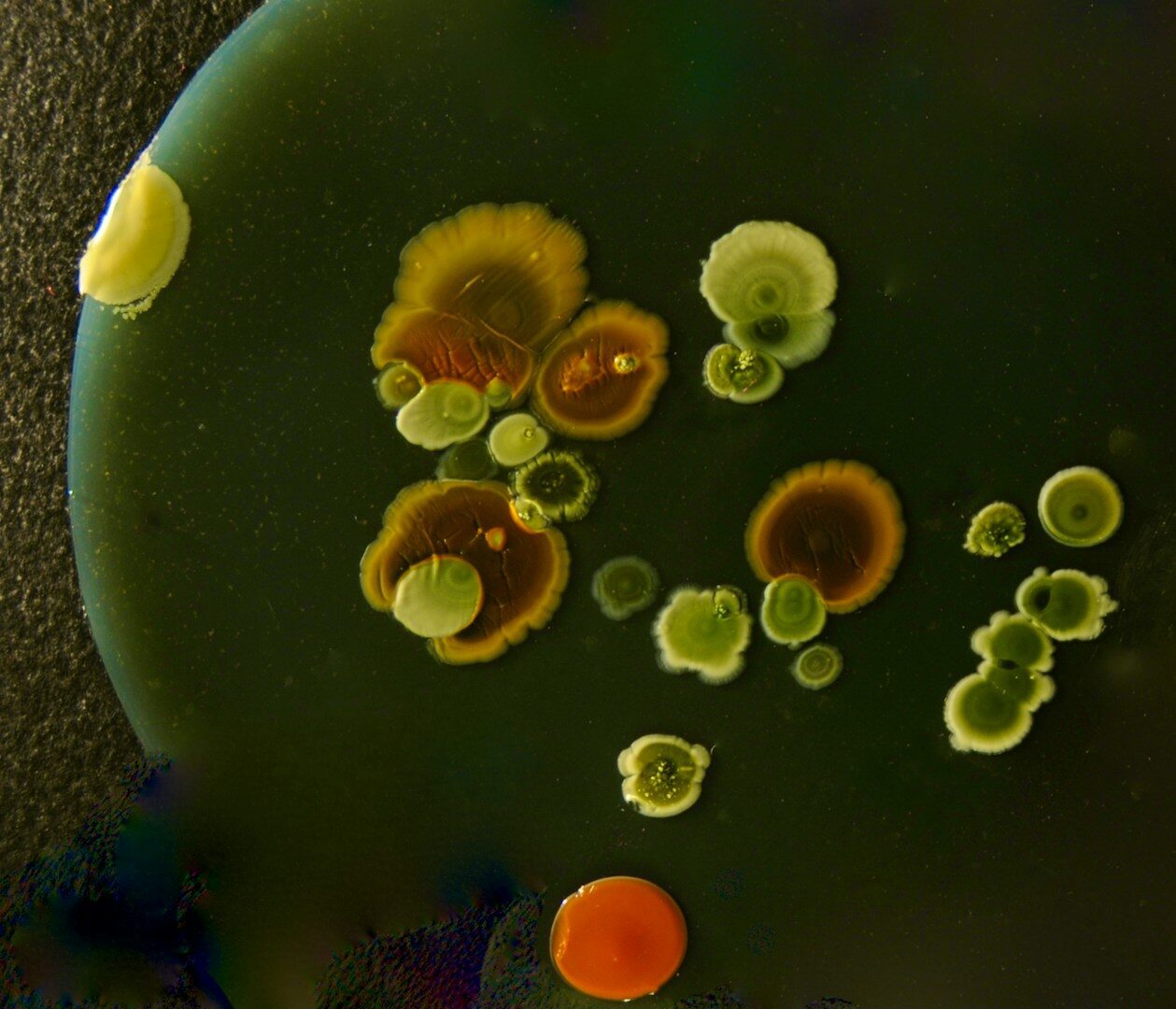 ━━ Although no player is visible, decisions are made on the computer. Decisions made by living human brain cells in a petri dish.
( Source: GUY GRANDJEAN / Unsplash+ )
Cultivation of cells
The fact that cells are now capable of this action is only the beginning. Neurons are being cultured to create biological computers. This will allow experts around the world to optimise different applications and develop AI assistant-level devices. “What’s exciting is not only that a biological system can play Doom, but also that it can deal with complexity, uncertainty and real-time decision making,” comments Andrew Adamatzky, an expert in unconventional computing systems, who believes this is a very important fact.
Some people feel that this is some kind of supernatural ability of neurons. However, this is something that these cells can also do normally in the human body. The fact that scientists are able to develop chips from the human body that will be able to mimic intelligence and help us in our lives in the future is a big step forward.



 L. Novak



 O. Müller

 A. Urban