


Everyone’s immune system has a difficult task on a daily basis. It protects us from thousands of pathogens that cause disease. And that’s not all. It’s also tasked with saving the body’s healthy cells. A careful balance is usually a no-brainer. It’s just that the immune system can mistake your cells for a threat. It just gets confused. It attacks your healthy cells by mistake. The result is an autoimmune disease.
Autoimmune disease
These are medical conditions that arise when the body’s own immune system attacks the body instead of defending it. There are more than 100 types of these diseases, which can affect virtually any tissue or organ in the human body. It depends on where the immunity fails. So it can be diseases of the muscles, joints, skin or blood vessels. Autoimmune diseases can also involve the endocrine system, nervous system or digestive system. The most common autoimmune diseases include lupus, rheumatoid arthritis, psoriasis, scleroderma, vasculitis, celiac disease, diabetes or multiple sclerosis.
Immune tolerance
The immune system normally works great. It can eliminate invaders in the form of bacteria and viruses while avoiding attacks on the body’s own tissues. This is called autotolerance. For many years, scientists thought that autotolerance was formed in the thymus and bone marrow. It is there that newly formed immune cells that attack each other are eliminated during development by the process of central tolerance.
However, some cells escape the process and disappear into the rest of the body. In 1995, the scientist Sakaguchi discovered another layer of protection. Peripheral tolerance. These are cells that act as a guard for the body and suppress unwanted immune reactions. A few years later, other scientists discovered the molecular key that controls these cells. They found that a mutation in a gene called FOXP3 causes a fatal autoimmune disease in mice. In humans, similar mutations lead to dysregulation and the autoimmune disease IPEX syndrome.
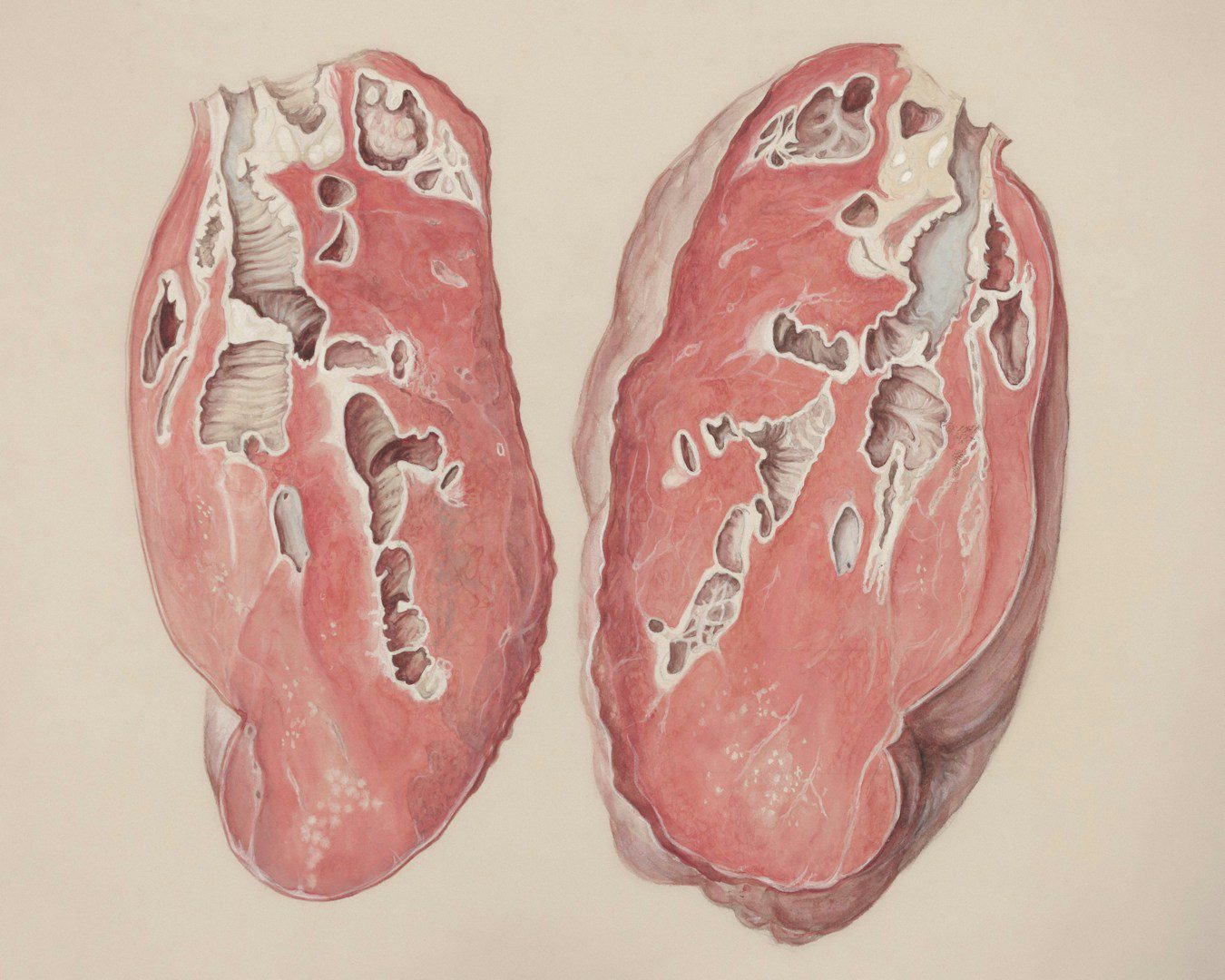 ━━
( Source: Europeana / Unsplash+ )
New approaches
Scientists are now trying new approaches to treat rheumatoid arthritis, multiple sclerosis, lupus and other diseases. They are trying to reprogram patients’ compromised immune systems. Today’s treatments only suppress the disease, but they cannot eliminate the cause and stop the disease. Because of this, patients spend their entire lives fighting the disease with drugs or injections. Moreover, medicines are often not enough.
According to rheumatologist Maximilian Konig of Johns Hopkins University, who studies new treatments, we are entering a new era. Scientists are changing the dysfunctional immune system. The goal is to be more effective and precise than drug therapy. Because side effects have yet to be resolved, the experimental treatment is only recommended for patients who have exhausted other options.
And what is it all about? The so-called CAR-T therapy. It was originally developed to eradicate blood cancers. But in studies on mice, scientists have found that the therapy could also help autoimmune diseases. Then in Germany, Georg Shett tried the therapy on a seriously ill young woman whose other treatments for lupus had failed. After a single infusion, she has been in remission since March 2021. It works by filtering T cells from the patient’s blood. They’re sent to a lab where they’re programmed to destroy the B cells. Then they’re infused back in.


 Šárka Cvrkalová




 O. Müller

 A. Urban