

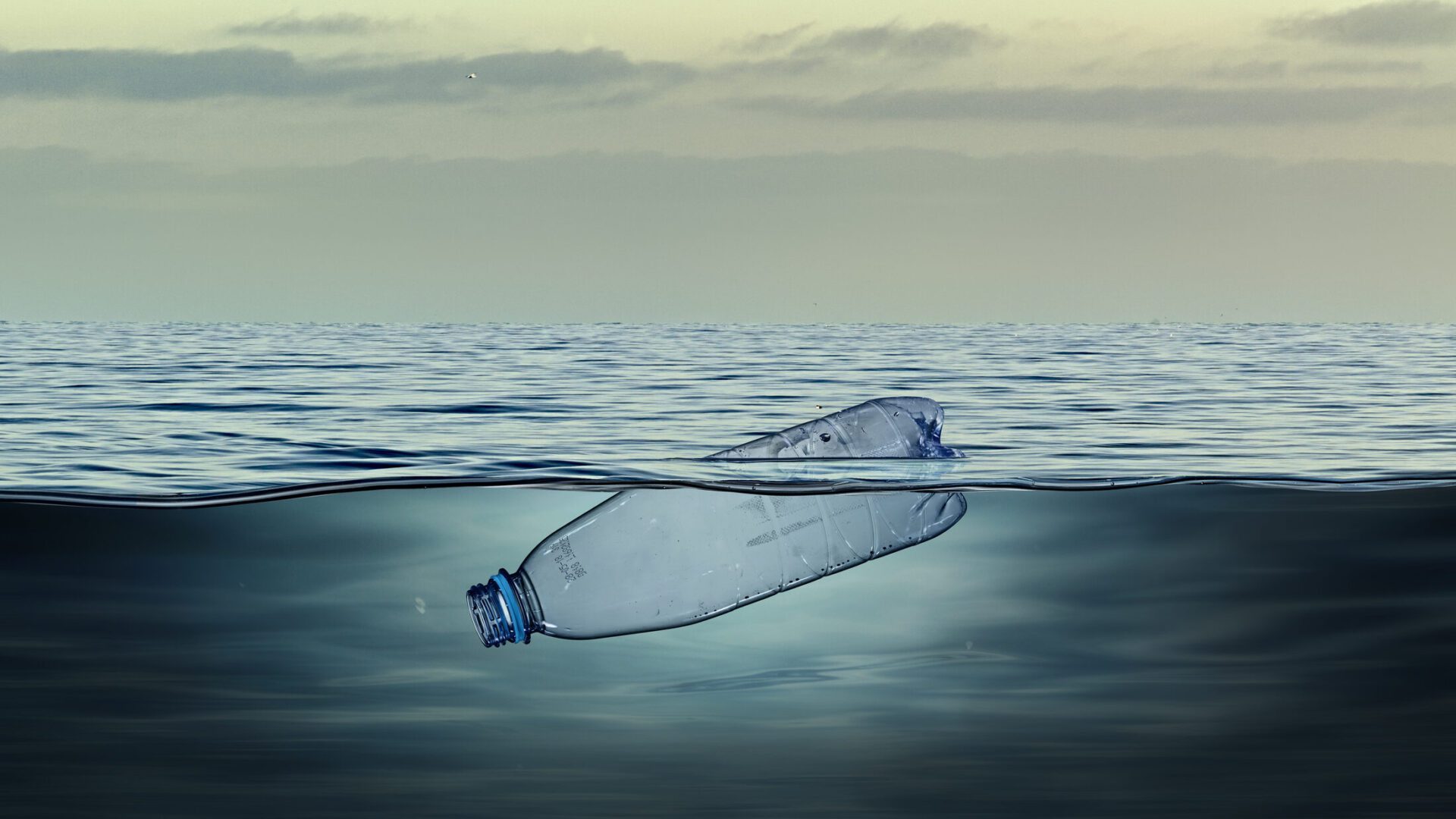
Plastics are ubiquitous. Food is sold in plastic boxes, toys are made from plastic and many household appliances are plastic. Or at least their components. Everyone has their own opinion on plastics. Some don’t mind it, others hate it. Either way, they are part of everyday life. They are even used in medicine or the automotive industry.
The disadvantage of plastics
Plastics are extremely difficult to recycle and unfortunately many end up in landfill at best, or even in the ocean at worst. And in the ocean, they last forever. Plastics in the water can harm animals. Moreover, it is calculated that plastic pollution will triple by 2040. But there is probably at least one solution that could save nature.
Researchers at the RIKEN Center for Emergent Matter Science and the University of Tokyo in Japan have developed a plastic that could solve the problems of plastic pollution. This solution, according to Reuters, is particularly appealing to the packaging industry. According to project leader Takuzo Aida, the new material is as strong as fossil fuel-based plastics.
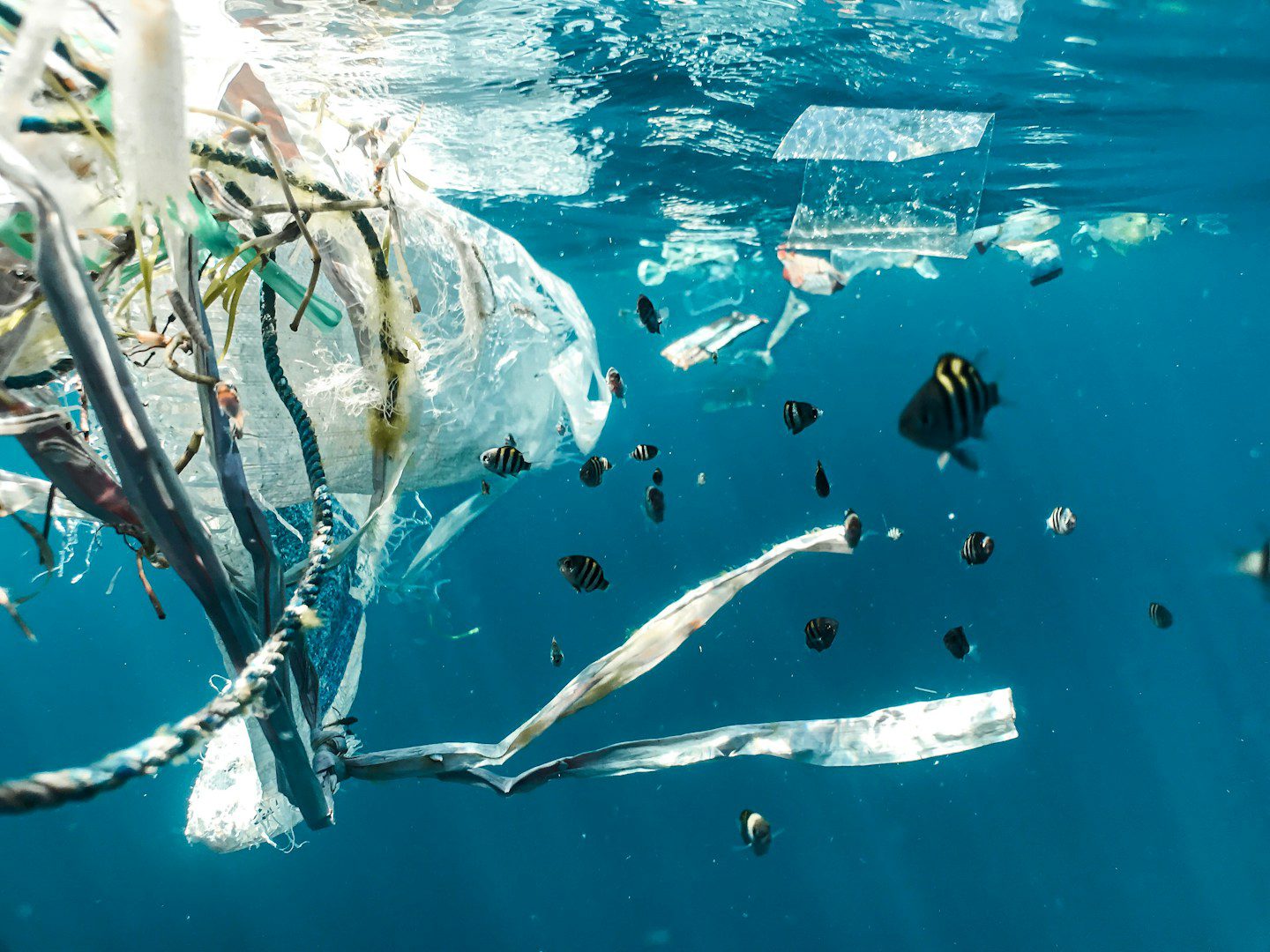 ━━
( Source: Naja Bertolt Jensen / Unsplash+ )
What can we say about him
The new plastic is said to be as strong as regular plastic. But it has a huge advantage. It’s said to break down very quickly on contact with salt water. Within two to three hours, there’s no sign of it. How did Japanese scientists make this discovery? They supposedly combined two monomers to create a new plastic. Salt water dissolves the bonds between these molecules and breaks the plastic down into its original components.
And that’s unlike typical biodegradable plastics. These can leave the much talked about and harmful microplastics in nature. But the new material does indeed fully decompose. Water breaks the plastic down into its original components and bacteria then complete the breakdown process. The plastic dissolved even in the original tests and is said to have completely disappeared in about eight days.
It’s not all solved yet.
According to the scientists who invented this new type of plastic, more research is still needed, especially since the material can be used like regular plastic once coated. So the team is currently focusing on the best coating methods. In any case, the plastic is non-toxic, non-flammable and does not release carbon dioxide. So if the research is successful, it could replace petroleum-based plastics in the future.
Other innovative solutions
The Japanese team is not the only one working on a new solution to the plastic waste problem. In 2022, Rutgers University researchers developed an eco-friendly alternative to plastic packaging. It is an antimicrobial spray coating for products that is biodegradable and could therefore theoretically replace plastic bags in the future, which are unfortunately still widely used.
Swiss scientists have in turn developed a biodegradable and edible plastic-like material made from the roots of mycelium fungi. The process, which does not kill the cells of the fungi, leaves a gel-like material called a living fibre dispersion that can be moulded into other forms.


 Šárka Cvrkalová




 O. Müller

 A. Urban