

The war in Ukraine began on February 24, 2022, when Russia launched its invasion. Since then, many European countries have opposed Russia and many sanctions have been imposed to restrict the country. Although trade restrictions, financial transactions, travel bans and embargoes on certain raw materials and technologies are restricting the country, there is one topic that is very often discussed in relation to Russia. That is the gas that continues to flow from here to European countries.
Countries are trying to reduce their dependence on Russian gas, but it is not yet completely banned in the EU. The reason for this is the lack of alternative sources. Although some countries are trying to take more liquefied natural gas from the US or take gas from Norway and Azerbaijan, without Russian supplies Europe would not have enough.
Some countries have increased their intake
A number of European countries have been trying for months to reduce their dependence on Russian gas. But the reality is that, on the contrary, countries have had to increase their intake in the last month. France, for example, has increased its imports for January 2026 by 18% and Spain by 27% compared to the previous month. According to CREA, LNG accounted for about half of Russia’s gas exports to the EU in December 2025.
Analyst Vaibhav Raghunandan explains that the continued purchases of Russian LNG by European companies are due to the lower price of Russian gas compared to other alternative sources, but also the absence of sanctions directly on the product. Unfortunately, despite the political goals of European leaders, companies have no incentive to change the situation.
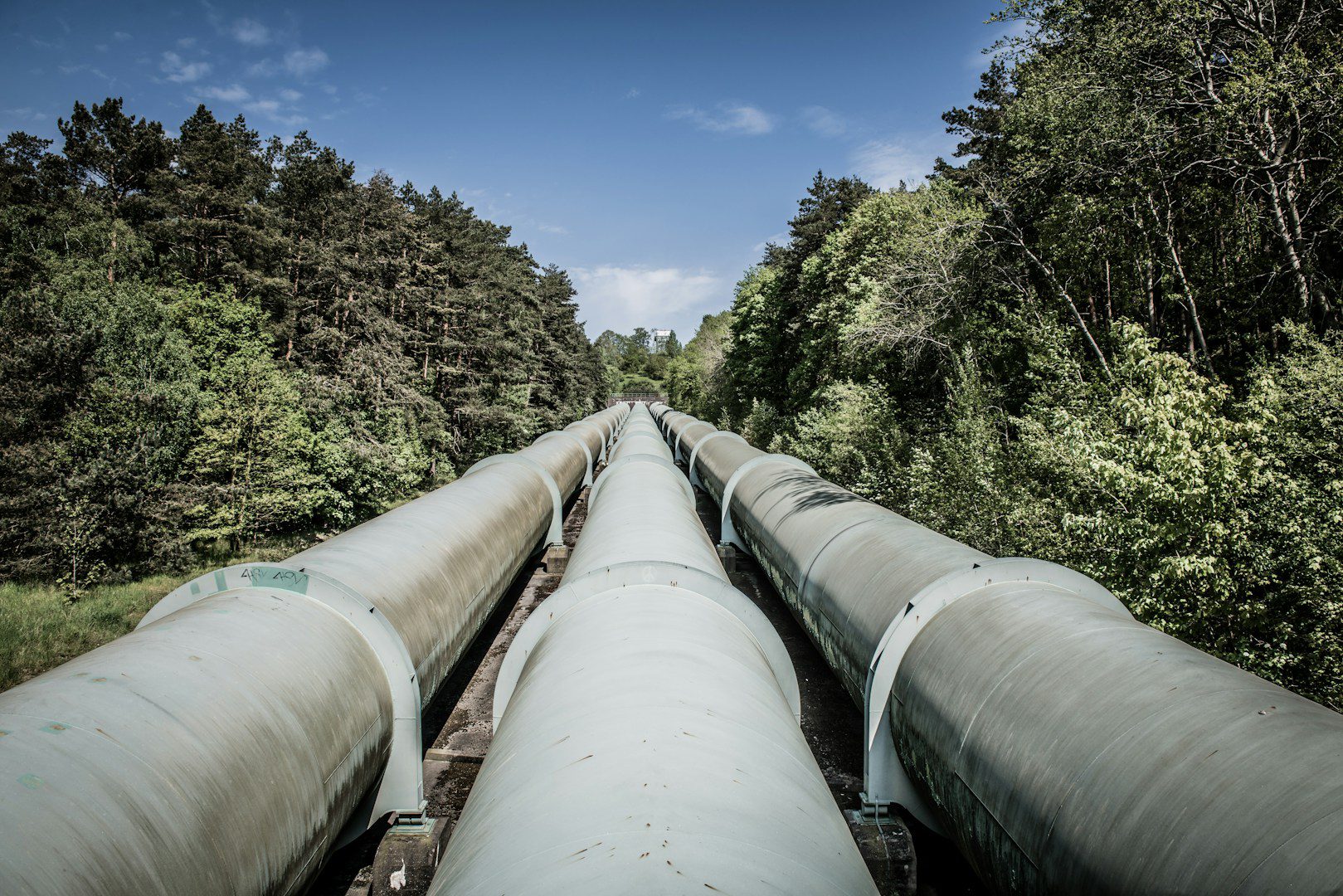 ━━ There is currently no total ban on Russian natural gas imports in the EU.
( Source: Wolfgang Weiser / Unsplash+ )
Gas from Russia reaches Germany
Most European countries cannot avoid gas from Russia. The Germans think they are doing well, but the truth is a little different. This is because the country takes its gas mainly from Norway, the Netherlands and Belgium. However, we are only talking about the source country from which the product travels to Germany. Belgium, for example , acts as a central hub for LNG, and the gas is, in fact, also Russian.
Although the Germans formally talk about taking Belgian gas, statistics show that it is via the Belgian route that Russian gas enters the country. German Chancellor Olaf Scholz has said in the past that the country no longer relies on Russian gas. Overall, the country is now trying to operate independently of Russia, but even many locals do not realise that this is not 100% true.



 L. Novak



 O. Müller

 A. Urban