

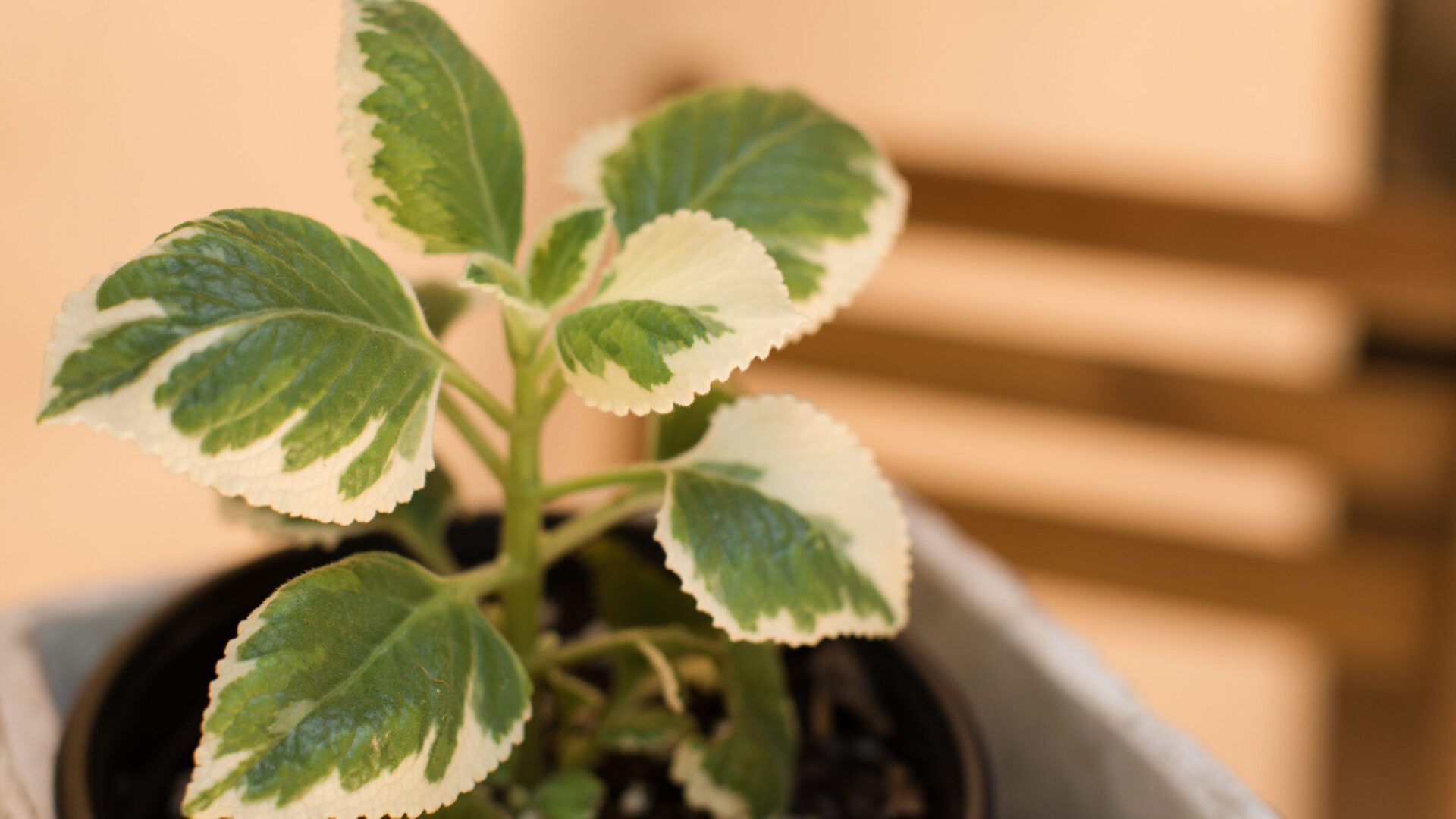
Yarrow (Latin: Plectranthus amboinicus), also known as Indian borage, Cuban oregano or Spanish thyme, is a thick-leaved herb from the deaf-leaved family that many people consider to be just a decoration on the windowsill. However, yarrow is much more than that. It has an effect on the air you breathe, but you can also use it in preparations against many diseases.
In fact, yarrow has a long tradition both in the kitchen (as a spice and drink ingredient) and in folk medicine. It is recognized for its antiseptic, anti-inflammatory and healing properties. Modern pharmacological reviews confirm numerous bioactive substances in the leaves and essential oil, which explain the traditional use of the plant in medicine.
Consumption and culinary uses
Rhyme has a distinctive thyme-like aroma and a hot peppery taste. For this reason, it is used in many cultures as a seasoning for meat, fish, soups, marinades or even in Caribbean spice blends. The leaves can be used fresh, dried or as part of flavouring oils and syrups. In some countries, they are even used to make tasty fried pancakes. The leaves are also used to flavour home-brewed beer or sauces.
Rhyme extracts and essential oils are tested for food use. They can serve as antioxidant stabilizers in meat processing. Analysis of the essential oil shows a rich representation of phenolic compounds such as carvacrol and thymol, which may contribute to the aroma and preservative properties.
Medicinal properties and use in wound care
Traditional medicine in India, Africa and Southeast Asia uses yarrow for coughs, fevers, respiratory infections and as a topical treatment for wounds and burns. Recent experimental studies confirm that extracts from the leaves exhibit antibacterial and antifungal activity against certain pathogens and have significant antioxidant activity.
More clinically oriented experiments suggest that yarrow promotes wound healing. Its use results in accelerated epithelialization, increased collagen deposition, and greater wound contraction. However, large-scale clinical studies in humans are still lacking and most of the evidence is from laboratory conditions or animals.
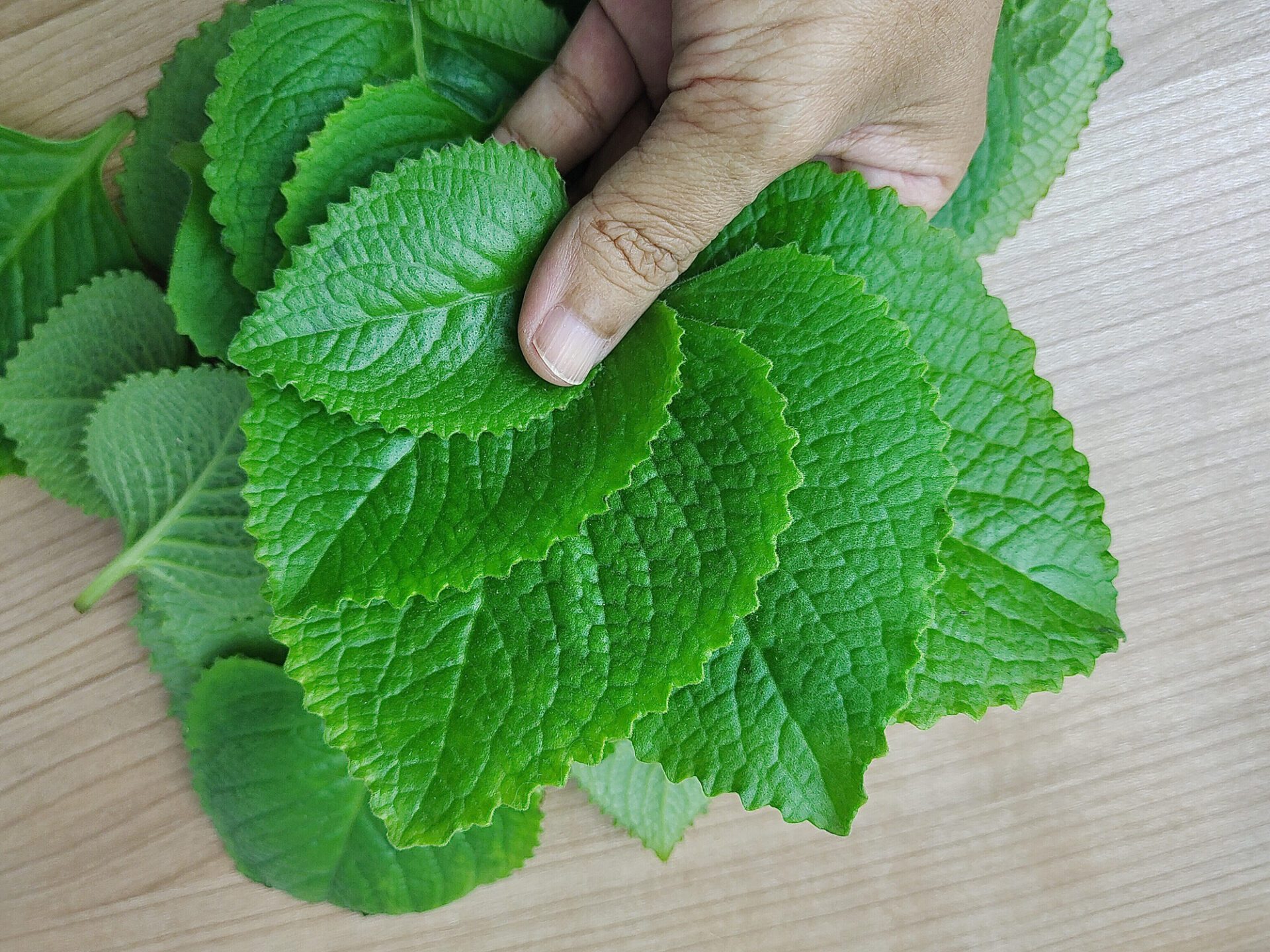 ━━ You can make both tea and syrup from rhyme. It can also be added to salads. But its leaves have other healing effects.
( Source: Iamnee / iStockphoto )
Safety, dosage and what the science says
Chemical analysis shows that up to 76 volatile compounds have been identified in the essential oil of yarrow, with carvacrol and thymol being the main components in various studies. These particular phenols tend to be associated with antibacterial activity.
Yarrow is commonly used in the kitchen without problems, however, concentrated extracts or essential oils are potent. Taking large doses internally can irritate mucous membranes, cause an allergic reaction, or cause complicated reactions with certain medications. For topical use (on the skin), it is wise to test first on a smaller part of the hand, such as the forearm. Avoid application to large open wounds; if complications arise, contact a doctor immediately.



 L. Novak



 O. Müller

 A. Urban