

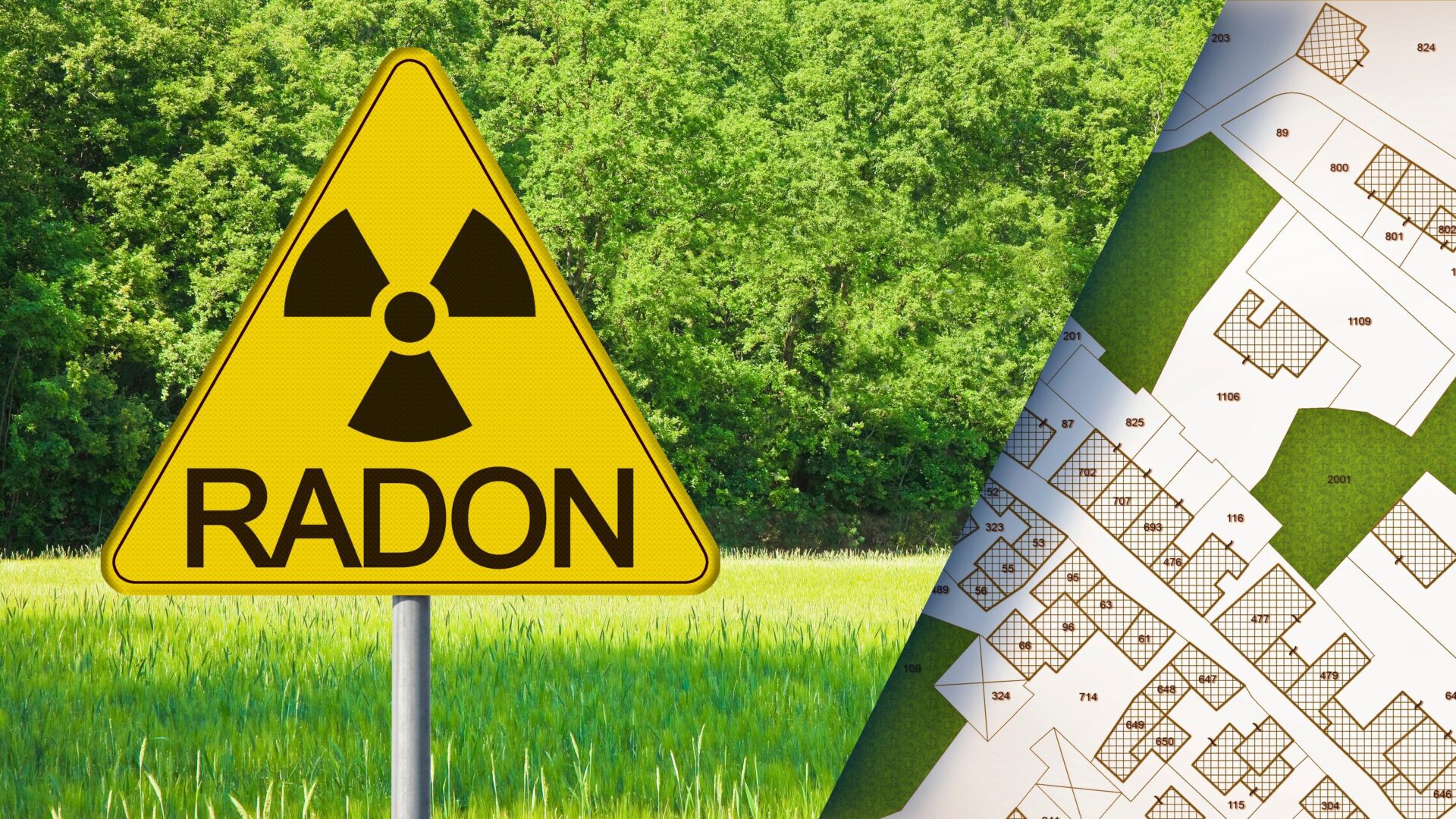
When the temperature outside drops below zero, you enjoy the pleasant warmth of home. It’s at these times that many people don’t ventilate too much to keep the cold out. However, unventilated spaces can accumulate gas that can be a health hazard. This is a problem particularly in Germany, where levels are currently rising.
Radon as an invisible threat
Radon is an odourless, radioactive noble gas, so it is not detectable to the senses. It enters houses from the ground through cracks or pipes in the basement. If the windows are always closed during the winter and the air inside is not circulated, the concentration of radon rises. It can have far-reaching consequences for health, as it is the second most common cause of lung cancer after smoking.
Why is radon dangerous?
If the human body is exposed to radon for a long time, radon particles accumulate in the lungs and cause further damage. They produce radiation that damages cells. The more radon a person is exposed to, the more the risk of lung cancer is promoted. However, the consequences can take decades to become apparent. Smokers are the most at risk and can develop cancer much earlier.
Radon is produced by the decay of uranium and radium in the soil. Once it enters houses, the highest levels are found mainly in basements and on the ground floor. However, it gradually reaches other parts of the house. In Germany, it is concentrated in mountainous areas, particularly in parts of the Bavarian Forest and the Saarland.
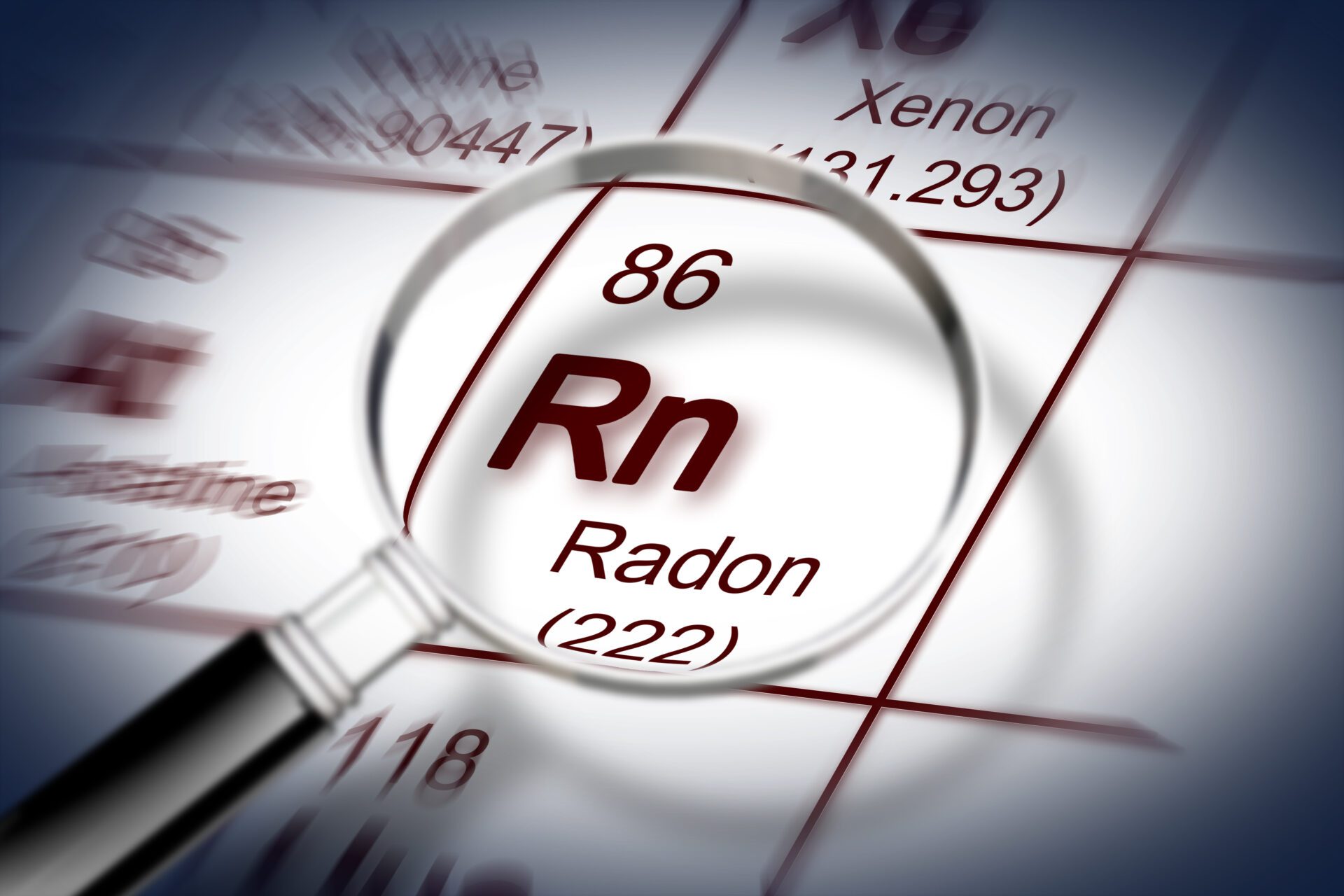 ━━ Radon can promote lung cancer.
( Source: Francesco Scatena / Shutterstock )
A line not to be crossed
In Germany, a reference value for radon concentration has been established to determine whether human health is at risk. Although the World Health Organisation (WHO) has set the value at 100 becquerels per cubic metre of indoor air, Germany has established a reference value of 300 becquerels per cubic metre in the living space of a house.
“Because radon concentrations fluctuate significantly throughout the year, an annual average value is used for health assessments. Even with a large difference between winter and summer, radon levels in a building can on average be within the normal range,” says the Federal Office for Radiation Protection (BfS). According to statistics, about 10.5 million people are exposed to levels above 100 becquerels, with 2 million exceeding the 300 becquerel value.
Experts advise Germans to take regular measurements of radon concentrations. Simple measuring instruments are used, the results of which are then transmitted to the relevant authorities.
Ventilate, ventilate…
The best defence for reducing radon levels is regular ventilation. At the same time, it is essential to seal joints and various cracks that would facilitate radon access. A person breathes in around 10 to 20 cubic metres of air per day, so radon exposure is different for each individual. However, frequently opened windows can significantly reduce the risk.


 Šárka Cvrkalová

 L. Novak



 O. Müller
