

Most people complain of high temperatures during the summer, even at night. Often the warm weather prevents us from sleeping soundly and we can’t wait for winter. But then, many people make the mistake of not enjoying the conditions that winter sets for us during the cold months. Are you one of those people who fall asleep with the heating on? We’ll tell you why it’s not right.
When a person goes to bed, he doesn’t want to be too warm, but he doesn’t want to feel cold either. So we often tend to turn the heating on in the bedroom before going to bed in winter. But in reality, it’s not entirely appropriate. Why is sleeping with the heating on bad for our health and what temperature is ideal for a restful night’s sleep?
Headaches and dry skin
If you turn the heating on in your bedroom in the evening, chances are you won’t wake up with heat because the room is heated just enough to keep you comfortable. But comfortable doesn’t have to mean good for our health. Dry air from heating systems, for example , dries out our skin. As a result, far more people suffer from skin problems in winter without realising that it’s the radiator that’s to blame.
The body loses up to 0.75 litres of fluids during sleep, according to Focus. That’s why, after all, it’s best to start the day with a glass of water in the morning. However, if you have the heating on in your bedroom, you’re losing far more water. This is just bad for your skin, but it can also be responsible for more frequent headaches. They occur because the brain is under-supplied with oxygen. So turn the heater off at night and drink plenty of fluids during the day to prevent the loss.
Coughs and sore throats are not just about colds
Many people suffer from sore throats in winter. But often it comes with scratching in it and coughing especially in the evening and morning. And this is no coincidence. In fact, it’s not always a cold that’s to blame, but often just a poorly adjusted radiator. Heated rooms often have very low humidity. This often dries out the mucous membranes, causing sore throats, scratching and coughing. One is then also more prone to inhale some of those harmful bacteria and actually catch some nasty illness.
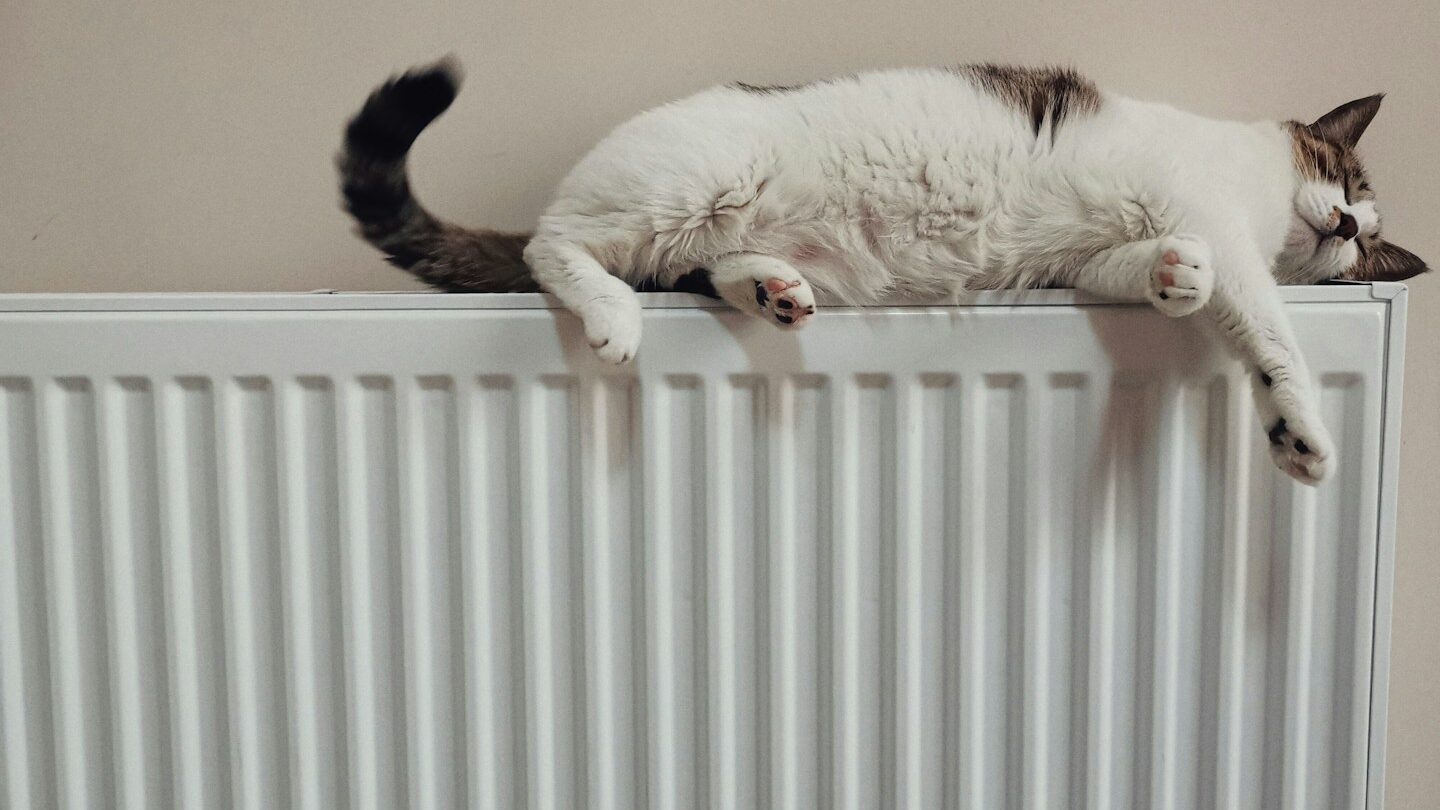
 ━━ If you don't sleep well during the colder months, your radiator and room temperature may be to blame.
( Source: iam_os / Unsplash+ )
Ideal temperature in the bedroom
If you want to sleep without sweating, scratchy throat, coughing or any other problems, you need to set your radiator so that the room is always no more than 18 degrees Celsius when you sleep, but never below 15 degrees Celsius. This is most often achieved by simply not heating at all.
In some cases, the weather outside is so cold that you have to turn up the heat in your bedroom, but it is important not to fall asleep with the radiator on so that the temperature does not rise at night. Some modern heaters are set to turn themselves off when the room reaches a certain temperature. It’s a good idea to air the room properly before going to bed so that you fall asleep with fresh air.
If you feel chilly in the evening, it is definitely better to dress more, wear socks, and even a warmer pair of pyjamas or two blankets. If you then start to sweat, simply remove yourself, but otherwise the situation will not affect your skin or your respiratory system. Don’t make the unnecessary mistake of falling asleep with the heating on.



 L. Novak



 O. Müller

 A. Urban