

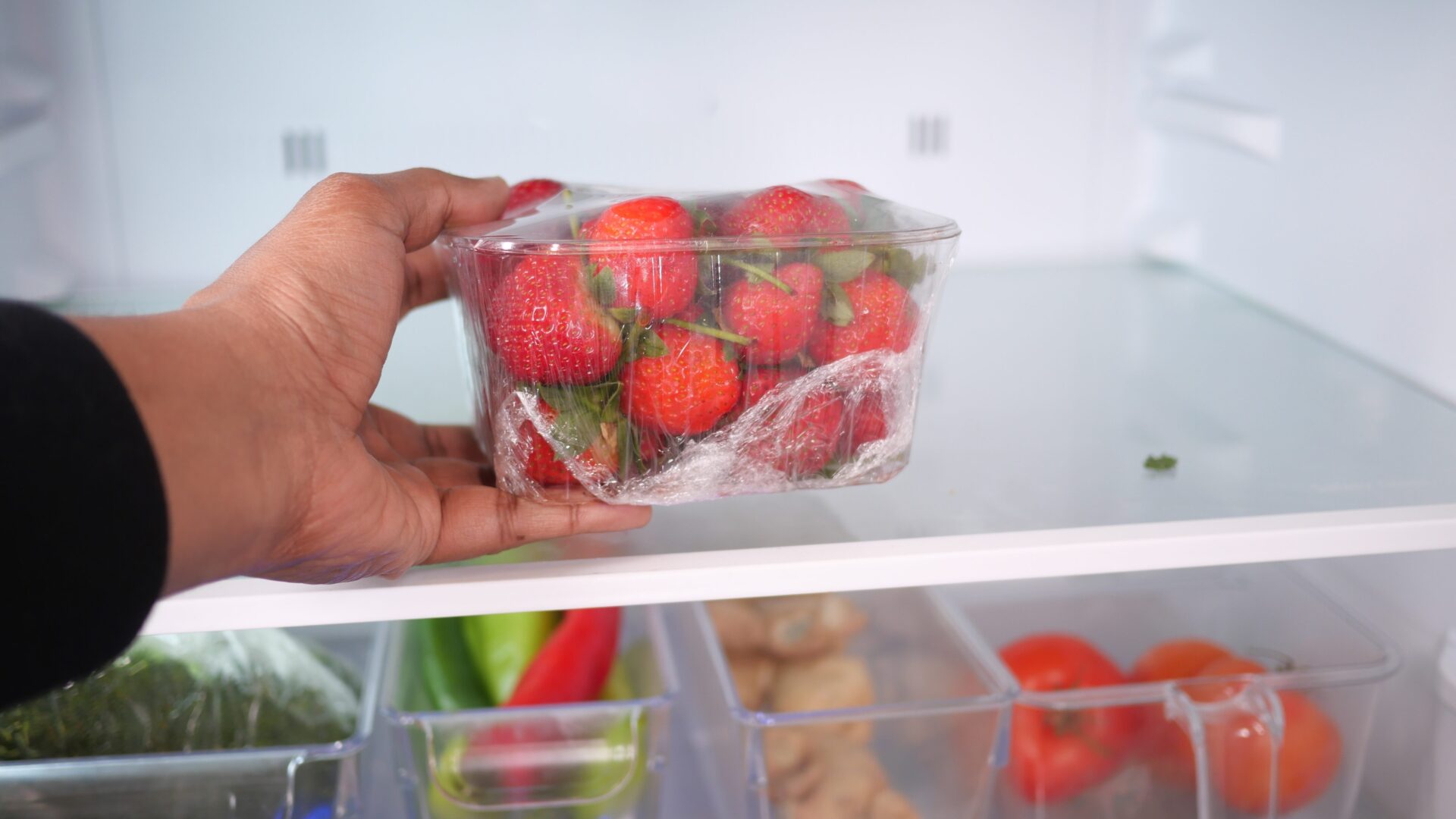
Strawberries. A fruit that can be grown in temperate climates. People in Poland, but also, for example, in the neighbouring Czech Republic, grow them in their gardens. For my daughter, for example, there is nothing better than being able to pick a sweet strawberry in her own bed. “I can’t wait to see the strawberries in my garden,” she raves all winter long. She loves fresh and tasty strawberries. But we eat the bought ones the rest of the year. Fresh, frozen and freeze-dried.
The amount of strawberries imported
Poland is now receiving record amounts of frozen strawberries from abroad. Imports from one country clearly dominate. According to EastFruit, more than 62 000 tonnes of strawberries were imported from Egypt in 2025, more than 70% of the total volume. This is changing the market structure and increasing dependence on external supplies. This concentration increases the risk for the domestic sector. Polish strawberry producers are under cost and weather pressure. This is why processors are increasingly turning to imports. Will strawberries cease to be grown in Poland because it is absolutely not worthwhile in the future?
Year-round supply
Egypt supplies frozen strawberries all year round, with peak volumes from April to September. In 2025, Polish imports from Egypt reached 9 500 tonnes in July. This is 2.6 times the July 2024 level. May and June recorded 9,200 tonnes and 9,300 tonnes respectively, underlining the seasonal increase that supports Polish processing schedules.
Domestic production crisis
The surge in imports followed the challenges faced by the Polish strawberry industry in 2025. The strawberry harvest was then sharply reduced by the May frost. Economic pressures eroded the competitiveness of domestic production. Rising labour and energy costs also made it difficult for Polish producers to compete. Unfortunately, these are factors they cannot control much, and the weather not at all. The question is therefore whether Polish domestic production will last or whether in future Poles will only be able to enjoy local strawberries from their own gardens.
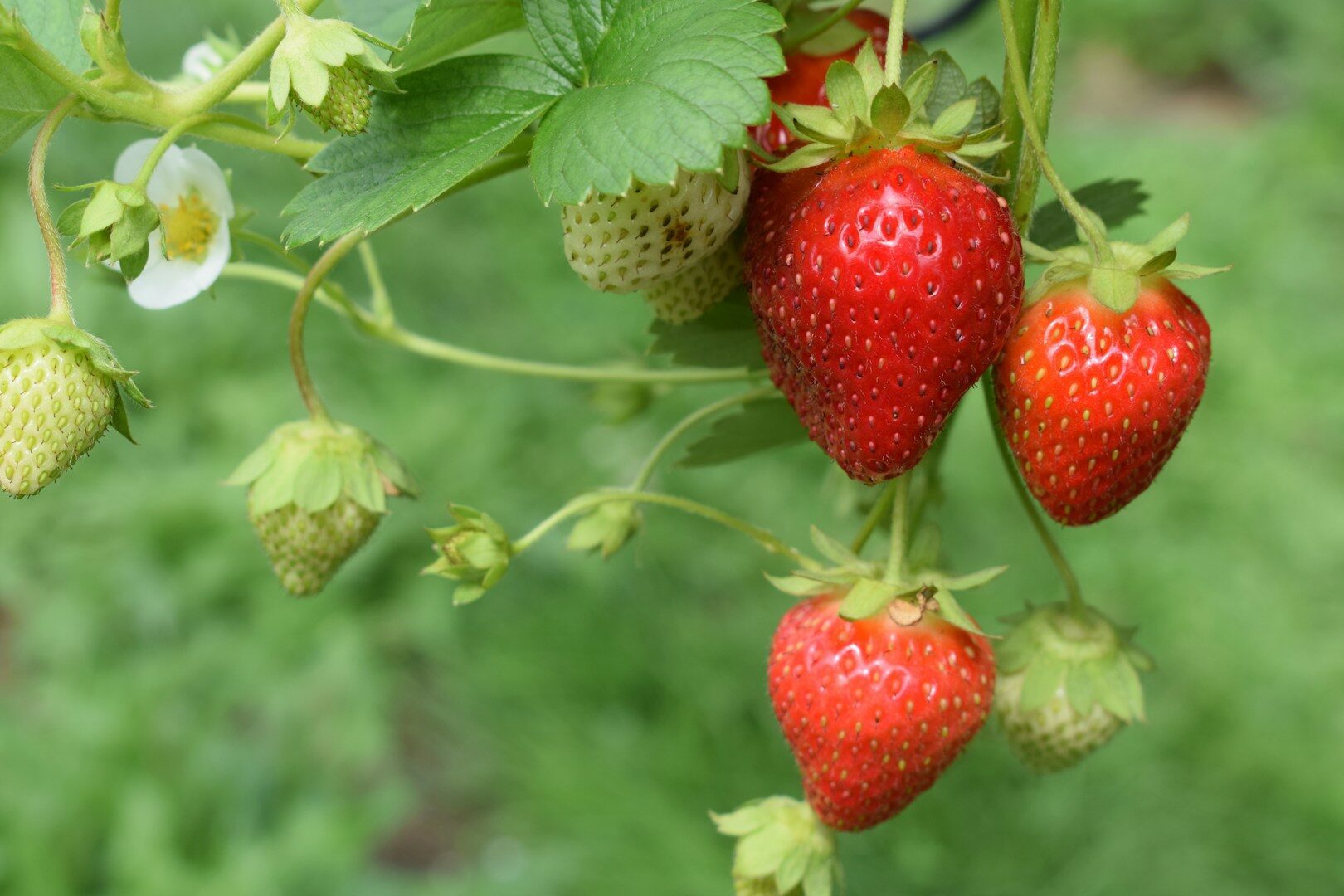 ━━
( Source: Oliver Hale / Unsplash+ )
The market is also changing due to the weather
The growing scale of imports raises fundamental questions for domestic producers about the future of the industry. Price competition, volatile weather conditions as well as ever-increasing production costs make their market position difficult. If this trend continues, domestic production can be expected to decline even further. However, this would have an impact on food security and the structure of the agricultural market in Poland in the long term.
Strawberries from Egypt and Ukraine
Germany was in second place in 2025 with 8 200 tonnes of strawberries shipped to Poland. China has also increased its presence. It supplied 6 300 tonnes, or 7.5% of imports. The Netherlands also supplied more strawberries than in previous years. Only Ukraine reduced its exports. The supply mix reflects both the lack of local supply in Poland and the need for diversified sources to support processing and re-export.
Market pressure from Egypt
Egypt’s export growth to Poland is part of a wider expansion into other markets in 2025, including China, Turkey and Germany. The strengthened position in Poland – supported by year-round availability and seasonal peaks – highlights Egypt’s growing role in the global frozen strawberry trade.


 Šárka Cvrkalová




 O. Müller

 A. Urban