

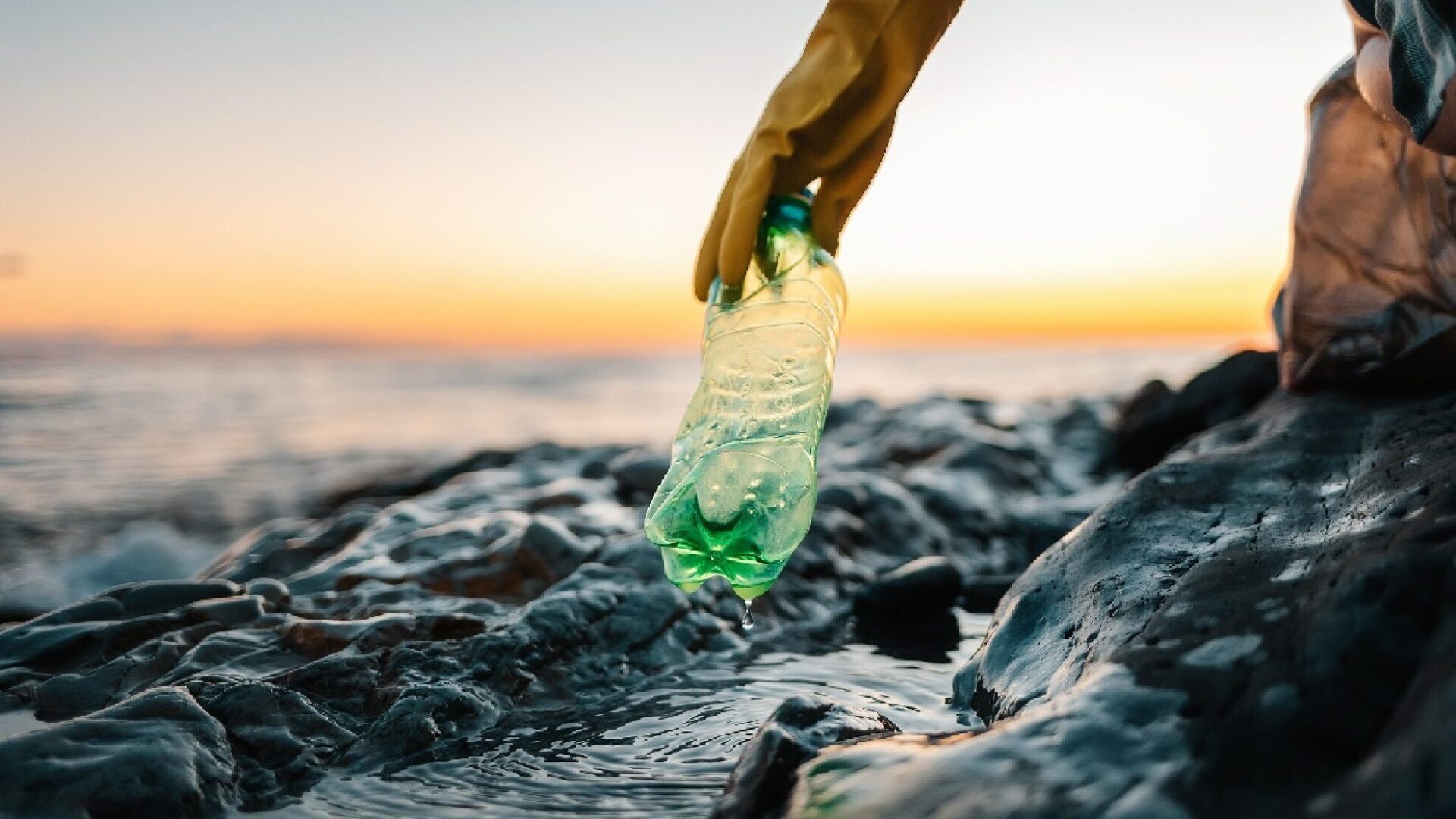
Plastics are all around us. From food packaging to clothing to medical devices, we find them in practically everything. Their benefits are undeniable. They are cheap, lightweight, durable and easy to mould, which is why these materials have enabled modern lifestyles and become part of our world. At the same time, however, there is growing concern about how plastic materials affect our health and the environment.
New scientific studies show that the impacts of plastics are not black and white. It is true that they can cause harm, but science is also looking for ways to use them for the good of humanity. Beyond their practical uses, can plastics actually benefit the planet and humans in any way?
Plastics and their harmful effects on health
Plastic chemicals are proving to be potentially very hazardous to human health. According to a recent analysis, there are more than 16,000 known chemicals associated with plastics, of which more than 4,200 have already been identified as harmful to human health or the environment. Exposure to plastic toxins such as phthalates and bisphenols may be associated with an increased risk of chronic diseases ranging from heart problems to obesity and reproductive problems.
Some studies have even linked plastic microparticles to cardiovascular problems. These facts show that common exposure to plastics, from food packaging to microparticles in air and water, is linked to potentially serious health consequences.
Plastics under the magnifying glass
Research in recent years suggests that the risks associated with plastics are not just theoretical. For example, a review published in The Conversation calculated that hospitals around the world generate millions of tons of plastic waste each year, the long-term breakdown products of which can disrupt hormonal balance and damage cells.
Microplastics enter the human body not only through food but also through the air. Despite these disturbing findings, experts remain positive. Although microplastics are present in human organs and tissues, their direct impact on human disease is still not fully established and requires further research.
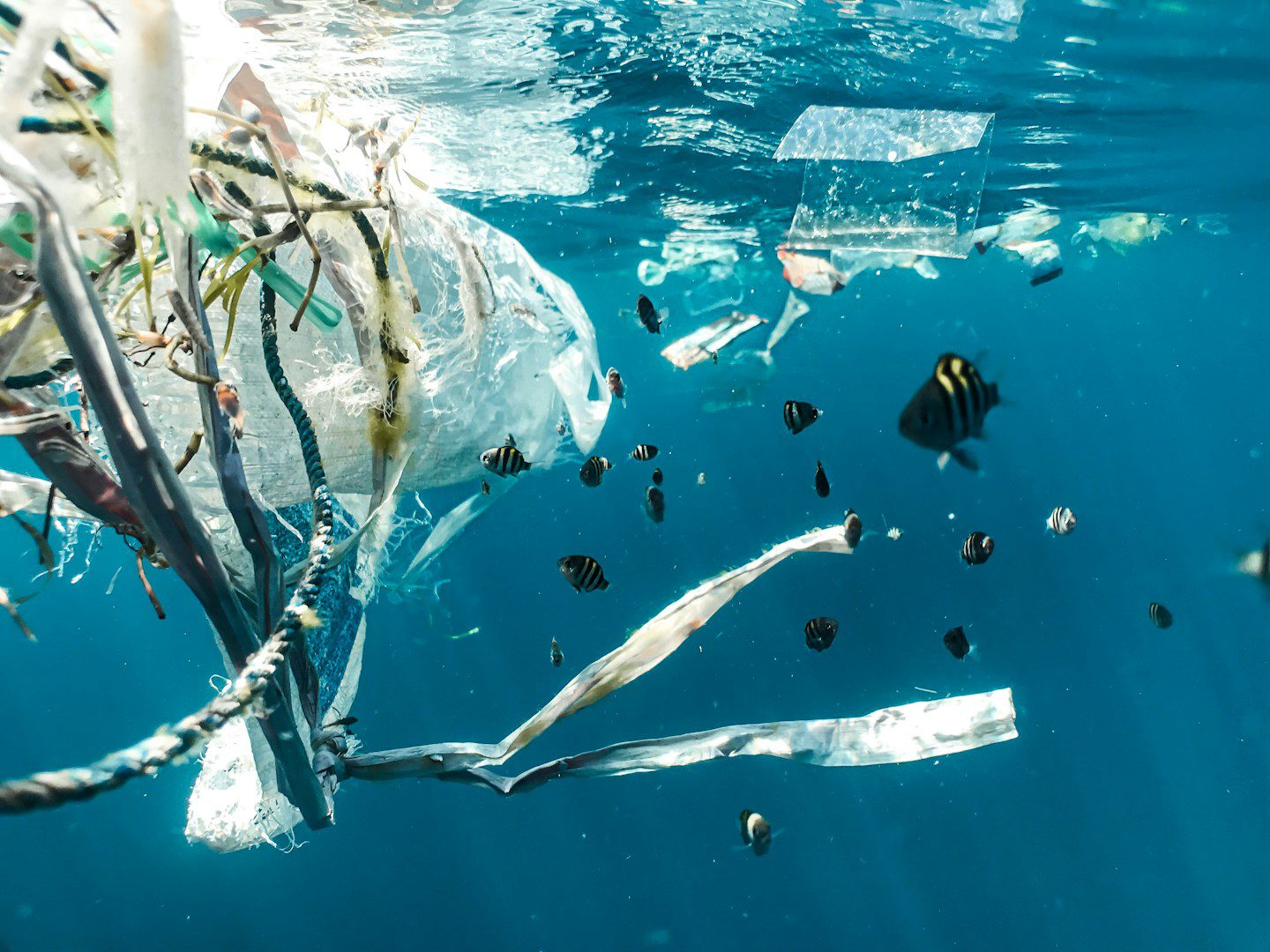 ━━ Plastic waste is bad for the planet. Plastics in food are bad for our bodies. But according to studies, they can still be good for our health in some ways.
( Source: Naja Bertolt Jensen / Unsplash+ )
Plastic medicine? Innovative research directions
Although plastic waste is associated with negative aspects, scientists are finding ways to use it in positive ways, for example as a source of raw materials for the production of medicines. A University of Edinburgh research team has been able to turn plastic bottles into paracetamol using genetically modified bacteria, reports QPS.
Although there aren’t many studies yet, it turns out that plastics can potentially be very useful. If handled carefully, they can be transformed from a waste that hurts into a desirable raw material important for healthcare. Further research is now focusing mainly on recycling and circular use of medical plastics. Some projects are already producing building blocks for new pharmaceutical packaging from recycled bioreactor bags, which can reduce hospital waste.



 L. Novak



 O. Müller

 A. Urban