

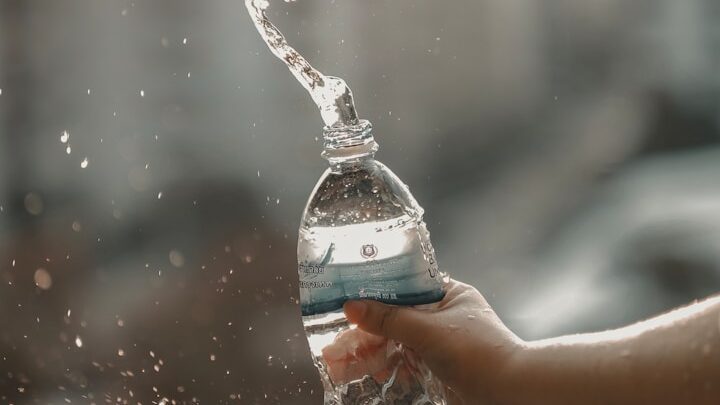
There has long been a debate about whether it is better to drink bottled water or tap water. Scientists have some negatives for both options. However, it has recently become apparent that plastics and their microparticles are a bigger problem than previously thought. And that bottled water in particular contains quite a lot of them.
All sorts of impurities build up in water pipes. If you put water in a glass, there’s likely to be a whole host of junk in it. These include chlorine, nitrates and nitrites, but also heavy metals such as lead and copper to a small extent. However, there are fewer hazardous substances in the water. The most common way to get rid of them is to boil or filter the water. Bottled water is a little more complicated.
Thousands and thousands of plastic particles
In bottled water, we encounter mainly microplastics, i.e. pieces of plastic smaller than 5 millimetres, but also nanoplastics, which are invisible to the naked eye and are formed by the breakdown of microplastics. The most common plastic is polyethylene terephthalate, the same plastic used to make water bottles.
The plastics are released into the drink directly from the walls of the bottle and from the cap. Of course, this happens much more often when the bottle is mechanically damaged in some way, for example if it is squeezed. In a warm environment (for example, in the sun), microplastics are more likely to be released. So where, how and for how long bottled water is stored has an impact on the amount of harmful particles that get into the water.
If you’re one of those people who drink bottled water regularly, experts say it’s very likely that you’ll consume more than 90,000 microplastic particles over the course of a year. A lot of this depends on how you store the water yourself at home, of course, but also where you buy it from and how it’s stored before it gets to you.
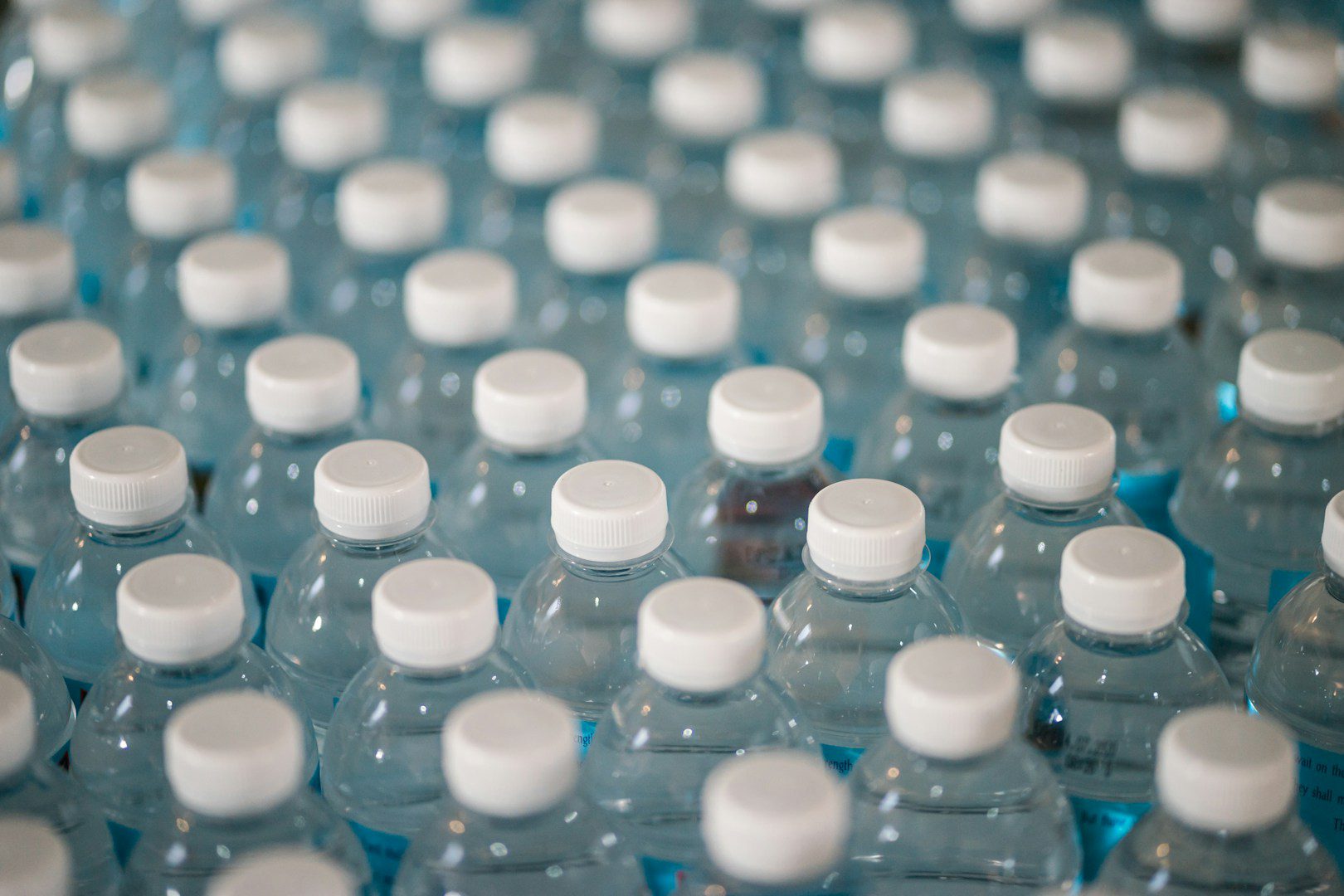 ━━ Is bottled water or tap water better? Both have their advantages and disadvantages, but bottled water with micro-particles is dangerous to human health.
( Source: Jonathan Chng / Unsplash+ )
Dangers of microplastics
Bottled water is certainly not as harmless as it may seem. Experts advise that, like tap water, it should be boiled or filtered before use. However, this only destroys some of the microplastic particles and a large number of them still enter the body. There they then irritate the tissues, burden the immune system and cause chronic inflammation.
In addition, plastics can often bind heavy metals to themselves and thus act as a kind of magnet and machine that transports toxic substances directly into the human body. Past research has shown that microplastics in the human body are found in the lungs, blood, placenta and brain tissue.
However, although plastics are harmful in the body, it actually takes many, many years for their effects to become apparent. In a healthy person, they are not dangerous for long.They can pose a threat to immunocompromised individuals. However, they can be potentially dangerous for people with a variety of illnesses, so their amount in the body should be minimized.



 L. Novak



 O. Müller

 A. Urban